Wuthering Heights

5 Books Like Wuthering Heights by Emily Brontë

by Emily Brontë

3.9(2317k)

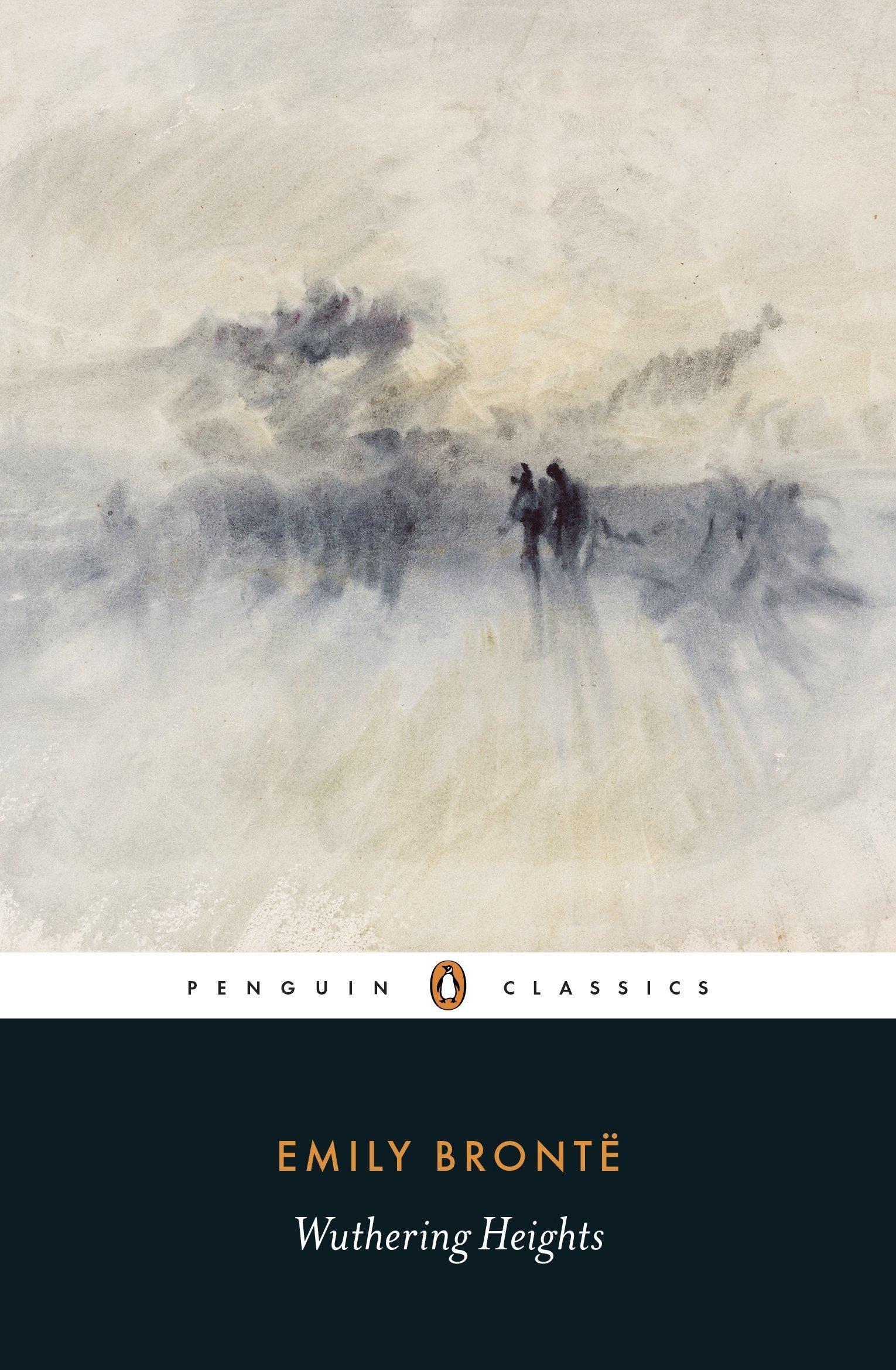
Emily Bronte's Wuthering Heights stands as one of literature's most turbulent love stories, a masterpiece of passion and destruction that has captivated readers for nearly two centuries. The novel's dark power lies in its unflinching portrait of Heathcliff and Catherine's all-consuming obsession, a relationship that transcends conventional romance and becomes something far more primal: a battle of wills, a collision of class and circumstance, a love so fierce it destroys everyone in its path. The Yorkshire moors themselves seem to pulse with the emotional intensity of their bond, wild and untamed, mirroring the characters' own inability to temper their desires. Wuthering Heights explores themes that resonate across time: the corrosive nature of revenge, the fixedness of social hierarchy, the way passion can obliterate reason, and the haunting question of whether love can survive death itself.

Finding books similar to Wuthering Heights requires seeking out works that capture this same intensity of emotion, this willingness to venture into psychological darkness and moral ambiguity. Readers who loved Wuthering Heights crave novels that prioritise emotional authenticity over sentimentality, narratives that don't shy away from depicting flawed, destructive, and deeply human characters. They seek stories where love carries real consequences, where the landscape reflects inner turmoil, where Gothic atmosphere deepens rather than distracts from intimate human conflict.

The recommendations below represent novels similar to Wuthering Heights, each offering its own exploration of passion, obsession, class struggle, or supernatural elements woven into intimate human drama. Some are contemporary to Wuthering Heights or from the same era; others are modern works that echo its psychological intensity. What unites them is their refusal to soften their treatment of love, revenge, or the darker impulses of the human heart. If you're seeking your next great read after Wuthering Heights, or searching for books in that same tradition of sweeping Gothic romance and complex emotion, these selections extend the conversation Bronte began.

Frankenstein
3

Frankenstein

by Mary Wollstonecraft Shelley

4.0(886k)

Mary Shelley's novel shares Wuthering Heights' preoccupation with obsession, revenge, and the destruction that follows when love is twisted into something monstrous. Both works feature protagonists whose emotional intensity isolates them, both explore the Gothic sublime through desolate landscapes, and both ask whether the natural world reflects or exacerbates human passion. The creature's pursuit of the scientist across frozen wastelands mirrors Heathcliff's relentless quest for revenge, while both novels ultimately question whether the pursuer or the pursued bears greater responsibility for the tragedy.

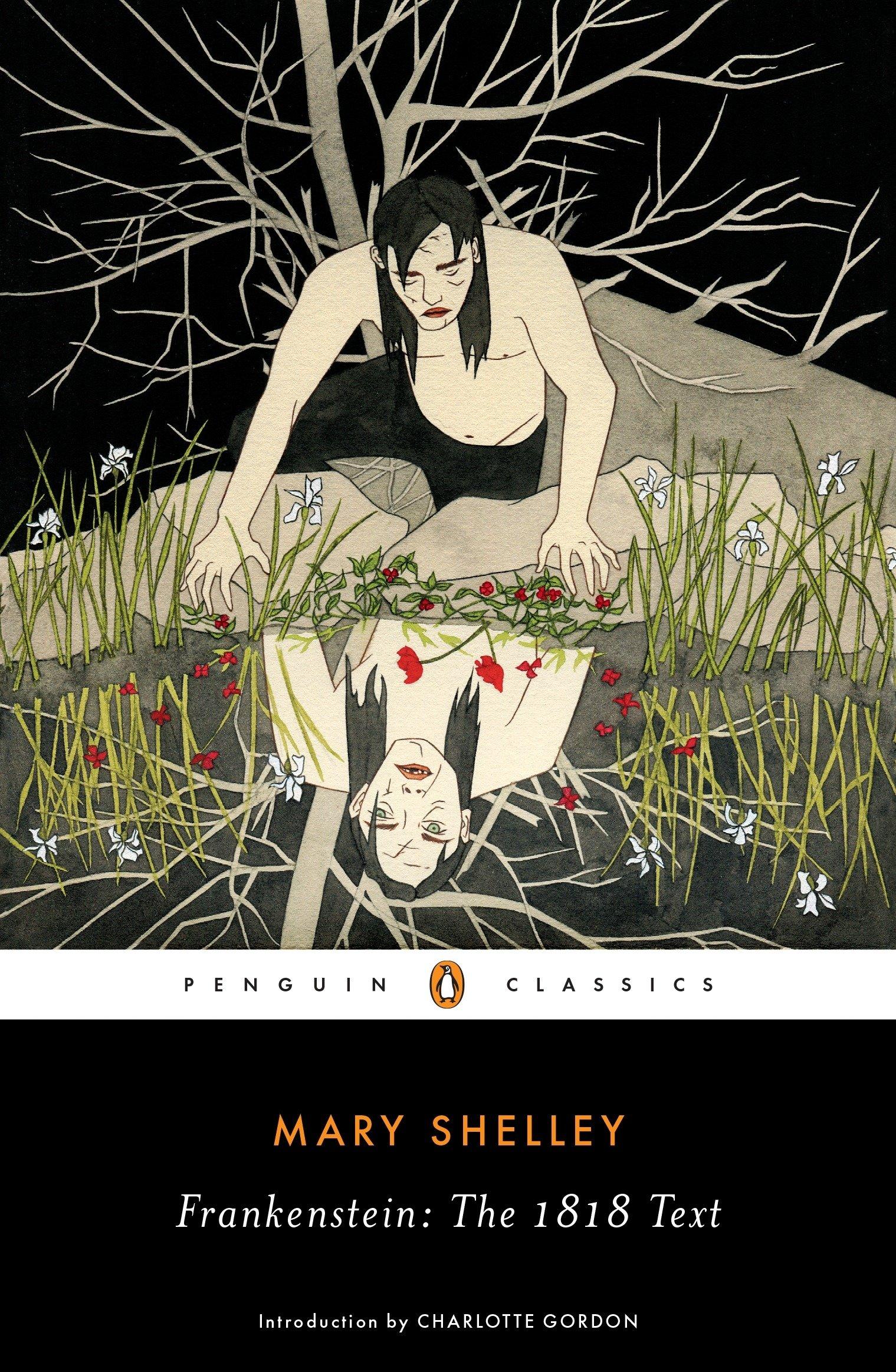
Mary Shelley's seminal novel of the scientist whose creation becomes a monster. This edition is the original 1818 text, which preserves the hard-hitting and politically charged aspects of Shelley's original writing, as well as her unflinching wit and strong female voice. This edition also includes a new introduction and suggestions for further reading by author and Shelley expert Charlotte Gordon, literary excerpts and reviews selected by Gordon and a chronology and essay by preeminent Shelley scholar Charles E. Robinson.

View on Amazon
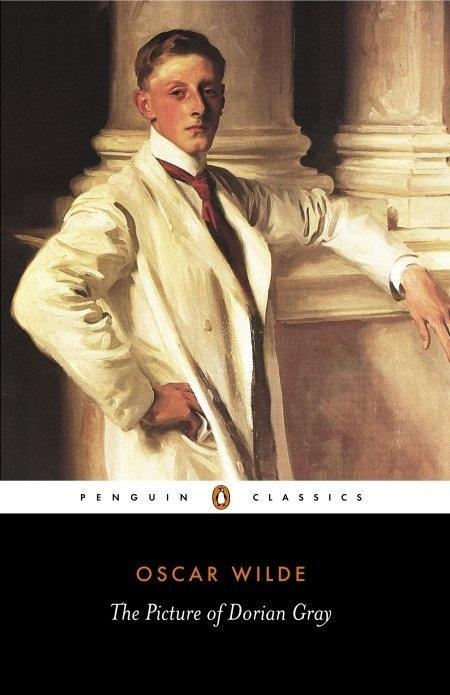
The Picture of Dorian Gray
4
4.2(305k)

Wilde's novella captures the same seductive power of moral corruption and the intoxication of forbidden desire that pulses through Wuthering Heights. Both works feature beautiful protagonists whose very attractiveness becomes a form of spiritual poison, both explore how love and admiration can curdle into something far darker, and both use a heightened, almost Gothic sensibility to examine the impossibility of remaining untouched by human passion. The novel's exploration of how beauty masks moral decay echoes Bronte's portrait of Heathcliff's animal attractiveness and its destructive consequences.

'The horror, whatever it was, had not yet entirely spoiled that marvellous beauty' Enthralled by his own exquisite portrait, Dorian Gray exchanges his soul for eternal youth and beauty. Influenced by his friend Lord Henry Wotton, he is drawn into a corrupt double life, indulging his desires in secret while remaining a gentleman in the eyes of polite society. Only his portrait bears the traces of his decadence. The Picture of Dorian Gray was a succès de scandale. Early readers were shocked by its hints at unspeakable sins, and the book was later used as evidence against Wilde at the Old Bailey in 1895. This definitive edition includes a selection of contemporary reviews condemning the novel's immorality, and the introduction to the first Penguin Classics edition by Peter Ackroyd.

View on Amazon
Hamnet
10

Hamnet

by Maggie O'Farrell

4.2(388k)

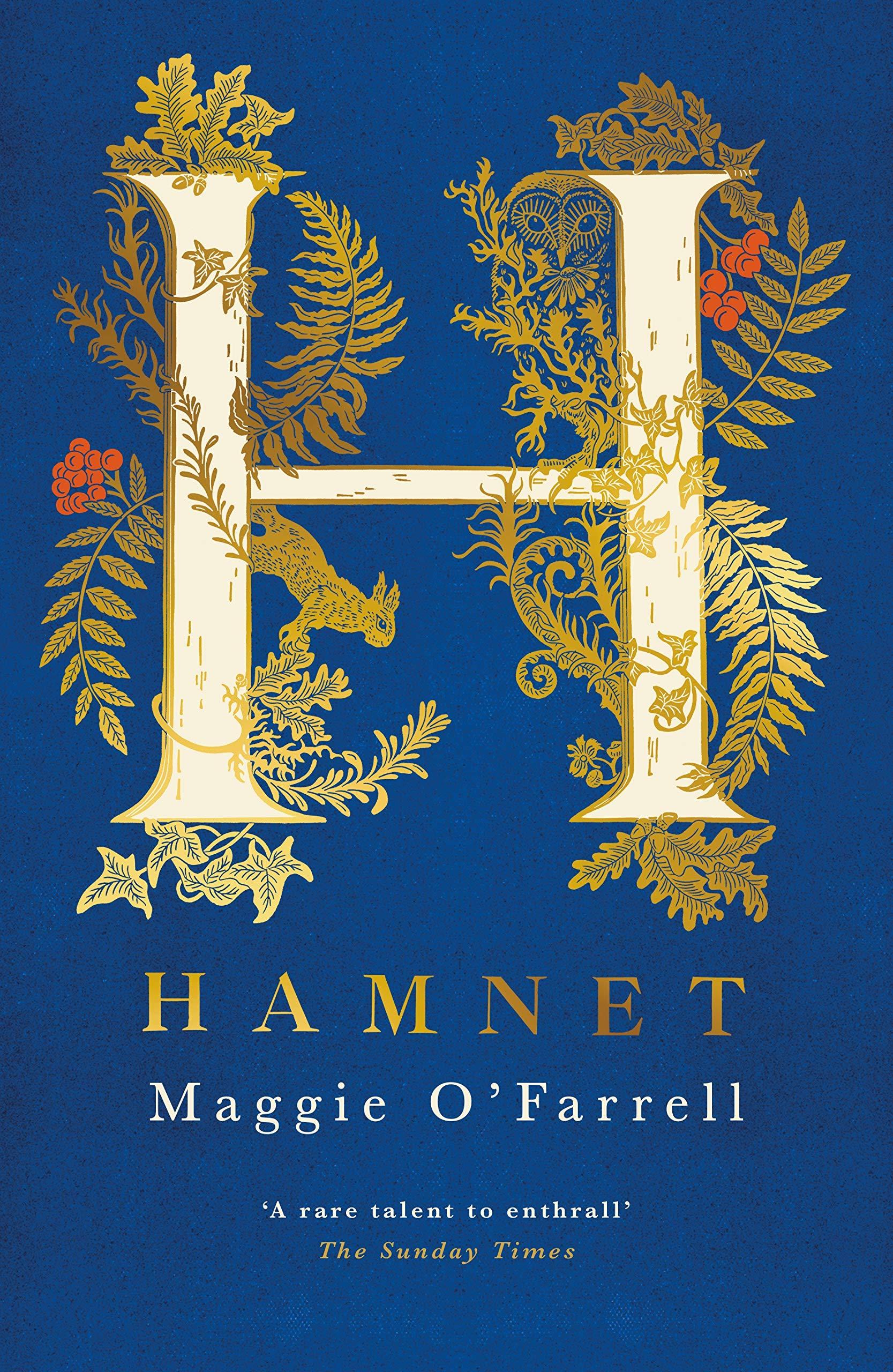
Maggie O'Farrell's reimagining of Shakespeare's personal tragedy captures something essential about Wuthering Heights: the way individual human grief and passion can generate art of lasting power. Both works explore love as a force that generates both creation and destruction, both feature isolated protagonists whose emotional intensity sets them apart from their community, and both use historical distance to examine how personal tragedy becomes universal. O'Farrell's treatment of Hamnet and Anne Hathaway's marriage has the same emotional authenticity and refusal of sentimentality that characterises Bronte's portrayal of Catherine and Heathcliff.

Drawing on Maggie O'Farrell's long-term fascination with the little-known story behind Shakespeare's most enigmatic play, Hamnet is a luminous portrait of a marriage, at its heart the loss of a beloved child. Warwickshire in the 1580s. Agnes is a woman as feared as she is sought after for her unusual gifts. She settles with her husband in Henley street, Stratford, and has three children: a daughter, Susanna, and then twins, Hamnet and Judith. The boy, Hamnet, dies in 1596, aged eleven. Four years or so later, the husband writes a play called Hamlet. Award-winning author Maggie O'Farrell's new novel breathes full-blooded life into the story of a loss usually consigned to literary footnotes, and provides an unforgettable vindication of Agnes, a woman intriguingly absent from history. A New York Times Notable Book (2020), Best Book of 2020: Guardian, Financial Times, Literary Hub, and NPR.

1984
11

1984

by George Orwell

4.2(1791k)

While Orwell's novel seems removed from Wuthering Heights' Gothic romance, both works examine what happens when love becomes an act of rebellion against a larger system designed to crush individual desire. Both feature protagonists whose passion is inseparable from their defiance of authority, both explore how the powerful world inevitably intrudes on and destroys intimate human connection, and both refuse to grant their lovers a happy escape. The desolation that defines the ending of each novel stems from the same recognition: that passion, however genuine, cannot survive in a world fundamentally hostile to human feeling.

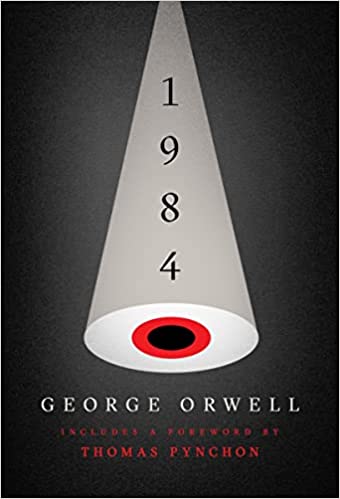
A masterpiece of rebellion and imprisonment where war is peace freedom is slavery and Big Brother is watching. Thought Police, Big Brother, Orwellian - these words have entered our vocabulary because of George Orwell's classic dystopian novel 1984. The story of one man's Nightmare Odyssey as he pursues a forbidden love affair through a world ruled by warring states and a power structure that controls not only information but also individual thought and memory 1984 is a prophetic haunting tale More relevant than ever before 1984 exposes the worst crimes imaginable the destruction of truth freedom and individuality. With a foreword by Thomas Pynchon. This beautiful paperback edition features deckled edges and french flaps a perfect gift for any occasion Alternate cover edition can be found here.

View on Amazon
Anna Karenina
12

Anna Karenina

by Leo Tolstoy

4.1(713k)

Tolstoy's epic stands as perhaps the greatest novel written about the collision between personal passion and social structure, a theme that defines Wuthering Heights. Like Bronte, Tolstoy refuses to sentimentalise his lovers' obsession; instead, he traces with unflinching precision how love can both elevate and destroy, how individual desire often runs counter to the requirements of society and family. Both novels are set in rural estates where landscape and social hierarchy intertwine, and both feature female characters whose defiance of convention carries irreversible consequences.

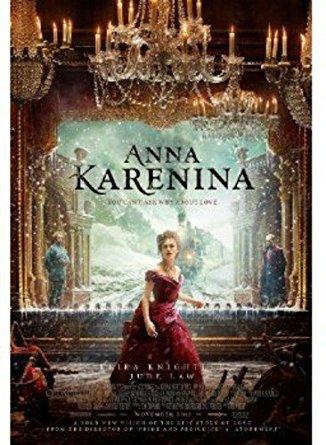
Acclaimed by many as the world's greatest novel, Anna Karenina provides a vast panorama of contemporary life in Russia and of humanity in general. In it Tolstoy uses his intense imaginative insight to create some of the most memorable characters in all of literature. Anna is a sophisticated woman who abandons her empty existence as the wife of Karenin and turns to Count Vronsky to fulfil her passionate nature - with tragic consequences. Levin is a reflection of Tolstoy himself, often expressing the author's own views and convictions. Throughout, Tolstoy points no moral, merely inviting us not to judge but to watch. As Rosemary Edmonds comments, 'He leaves the shifting patterns of the kaleidoscope to bring home the meaning of the brooding words following the title, 'Vengeance is mine, and I will repay.

View on Amazon

These novels represent the many directions one can travel after finishing Wuthering Heights, whether backward into the Gothic tradition that shaped Bronte's imagination or forward into contemporary explorations of similar psychological terrain. Each engages with themes of love as both salvation and destruction, of class as destiny, of the supernatural as a manifestation of human longing. What defines books similar to the Wuthering Heights tradition is their resistance to easy resolution, their commitment to moral complexity, and their understanding that the greatest romantic tragedies are often tragedies of character rather than circumstance.

The search for novels like Wuthering Heights is ultimately a search for literature that takes human emotion seriously, that recognises passion not as a character flaw to be overcome but as a defining force in our lives. Whether through Gothic atmosphere, psychological depth, or the exploration of how love and revenge can become indistinguishable, these books offer the same uncompromising vision of the human heart that Bronte gave readers over 170 years ago.

Never Miss a Free Kindle Book

We track thousands of Kindle books daily and alert you when they drop to free. Join 50,000+ readers getting the best deals.

Sign Up Free

Prefer free books on the go?

The Free Books for Kindle app gives you daily free book alerts, genre filtering, push notifications and zero ads.

Get the App