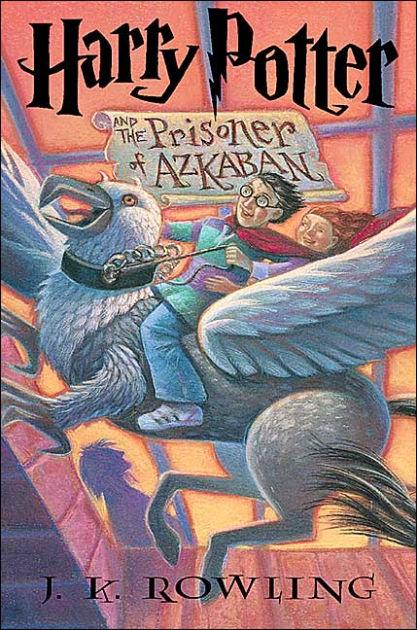
Harry Potter and the Philosopher's Stone
by J.K. Rowling
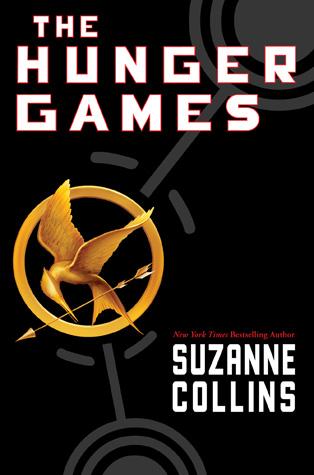
Harry Potter is the series that The Hunger Games is most often shelved beside, and the two share more than their audience. Both feature young protagonists discovering they have a role to play in a conflict much larger than themselves. Both build across multiple books toward a final confrontation with a corrupt power structure. And both are fundamentally about the choice between doing what is easy and doing what is right. Harry's Hogwarts is warmer and more magical than Katniss's Panem, but the emotional core is the same: a young person who did not ask for this responsibility but refuses to walk away from it. If The Hunger Games was your entry point into fiction and you have not read Harry Potter, it is the essential companion series.
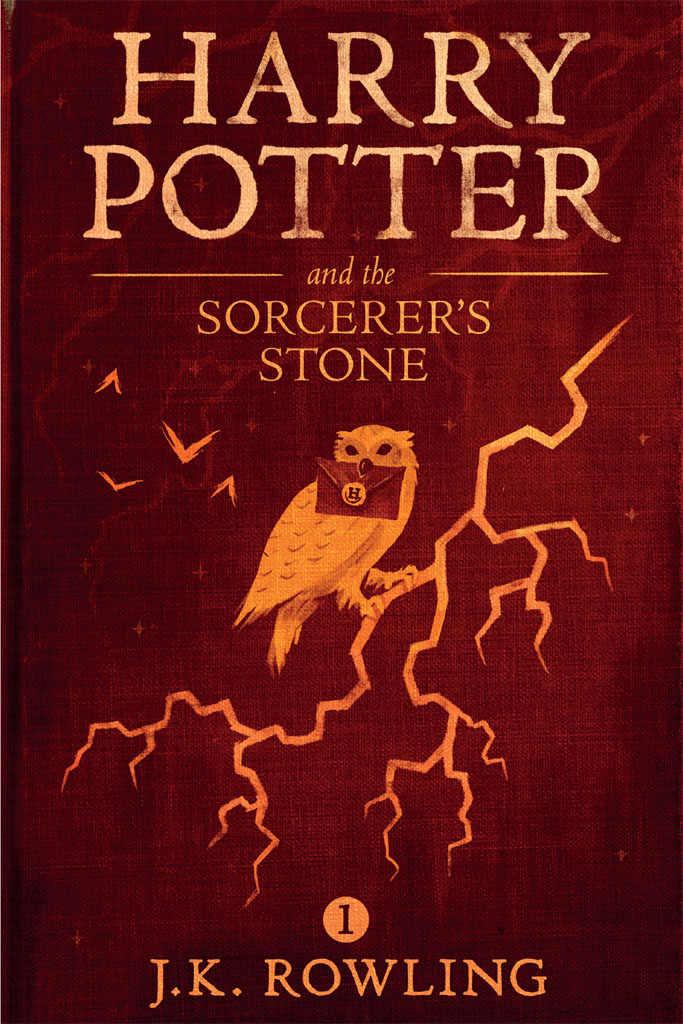
An alternative cover for this ASIN can be found here "Turning the envelope over, his hand trembling, Harry saw a purple wax seal bearing a coat of arms; a lion, an eagle, a badger and a snake surrounding a large letter 'H'." Harry Potter has never even heard of Hogwarts when the letters start dropping on the doormat at number four, Privet Drive. Addressed in green ink on yellowish parchment with a purple seal, they are swiftly confiscated by his grisly aunt and uncle. Then, on Harry's eleventh birthday, a great beetle-eyed giant of a man called Rubeus Hagrid bursts in with some astonishing news: Harry Potter is a wizard, and he has a place at Hogwarts School of Witchcraft and Wizardry. An incredible adventure is about to begin!