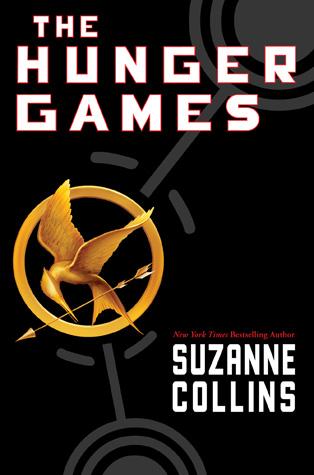
The Hunger Games
by Suzanne Collins
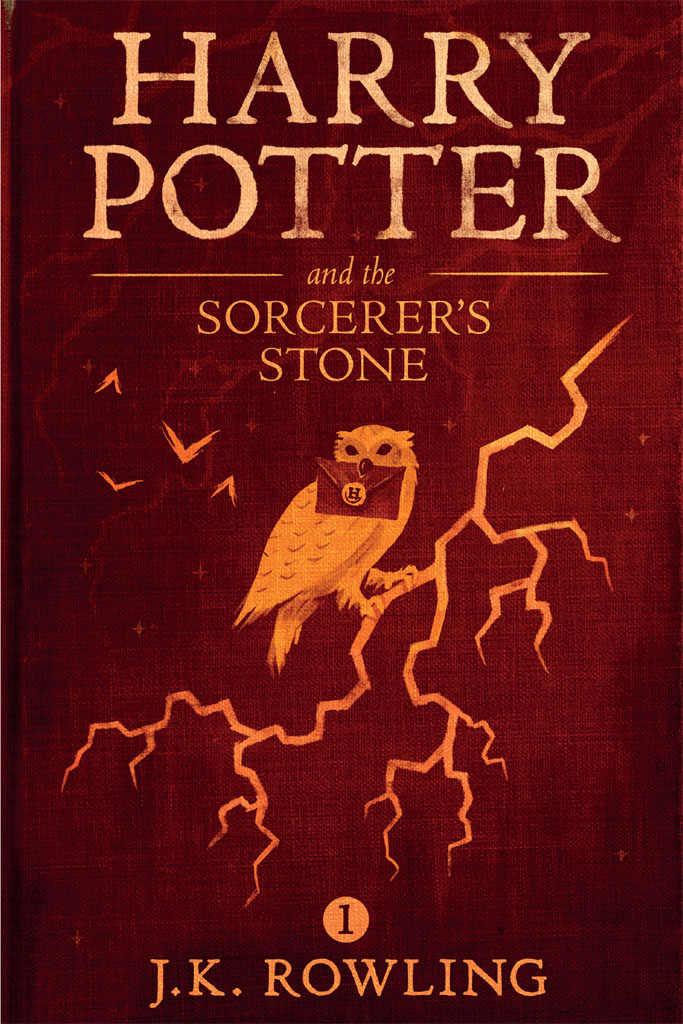
Suzanne Collins's The Hunger Games is the young adult series most often mentioned alongside Harry Potter, and the comparison makes sense even though the genres are very different. Both series follow a young protagonist who is thrust into a life-or-death situation by forces beyond their control, and both build across multiple books toward a confrontation with a corrupt political system. Katniss Everdeen's arena is not Hogwarts, but the experience of reading about her, of caring about her survival and rooting for her rebellion, taps into the same emotional engine that makes Harry's story so powerful. If you loved Harry Potter for the feeling of watching a young person find courage they did not know they had, The Hunger Games delivers that with a grittier, more politically charged edge.
Winning means fame and fortune. Losing means certain death. The Hunger Games have begun. . . . In the ruins of a place once known as North America lies the nation of Panem, a shining Capitol surrounded by twelve outlying districts. The Capitol is harsh and cruel and keeps the districts in line by forcing them all to send one boy and one girl between the ages of twelve and eighteen to participate in the annual Hunger Games, a fight to the death on live TV. Sixteen-year-old Katniss Everdeen regards it as a death sentence when she steps forward to take her sister's place in the Games. But Katniss has been close to dead before-and survival, for her, is second nature. Without really meaning to, she becomes a contender. But if she is to win, she will have to start making choices that weigh survival against humanity and life against love.