The Great Gatsby
by F. Scott Fitzgerald
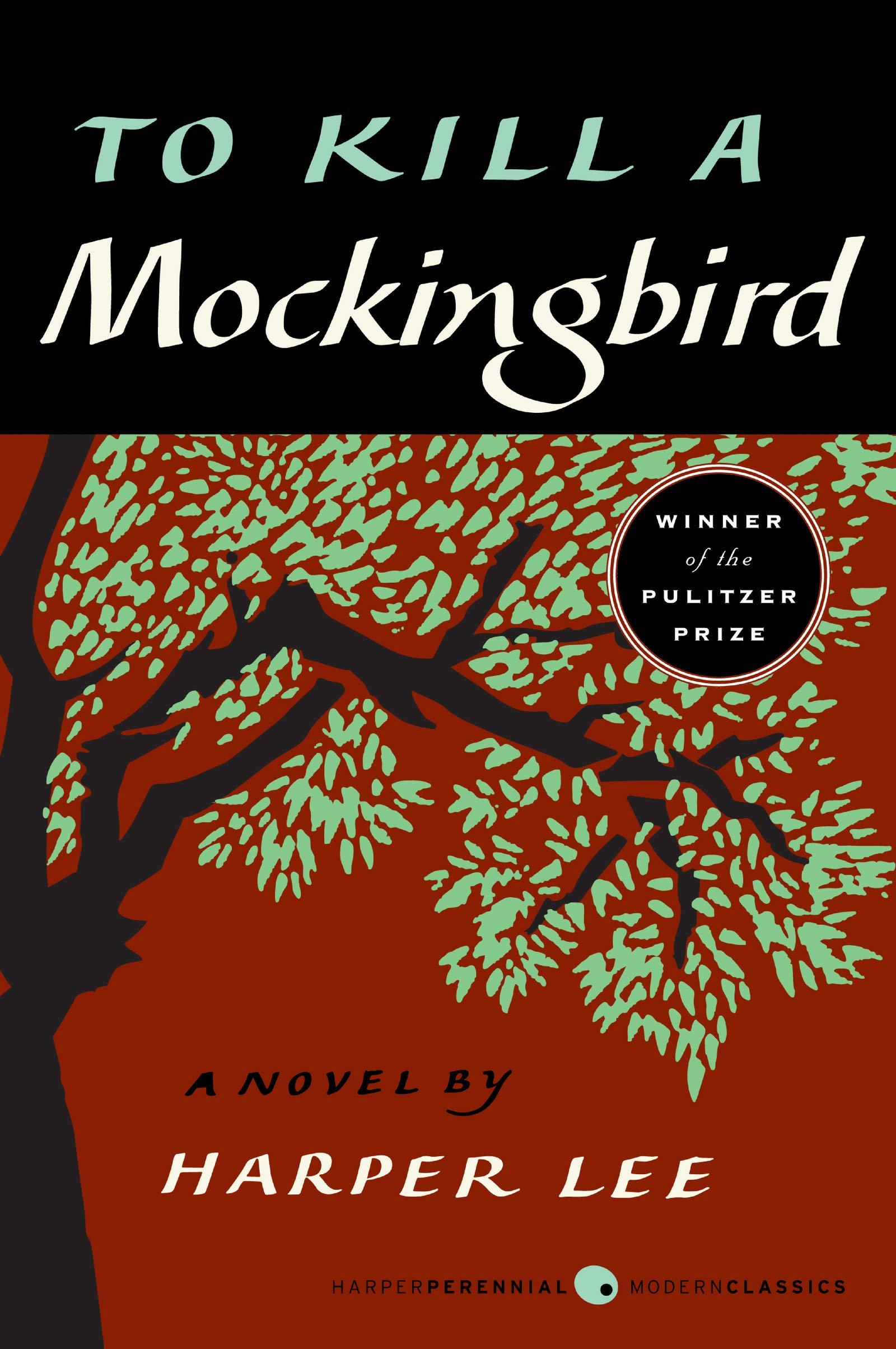
F. Scott Fitzgerald's The Great Gatsby is set in a very different world from Maycomb, Alabama, but both novels are fundamentally about the distance between American ideals and American reality. Gatsby's lavish parties on Long Island and Atticus Finch's modest law practice might seem like opposites, yet both stories use a specific time and place to expose a society's hypocrisy. Nick Carraway, like Scout Finch, is a narrator positioned slightly outside the main action, watching and gradually understanding the corruption around him. Both novels are also remarkably compact; they accomplish in under 200 pages what most writers need 500 to attempt. Fitzgerald's prose, with its famous closing image of boats beating against the current, shares Lee's gift for sentences that lodge in your memory permanently. If what you loved about To Kill a Mockingbird was its portrait of a society that believes its own myths while destroying the people who threaten them, Gatsby delivers that same gut punch in a different register.
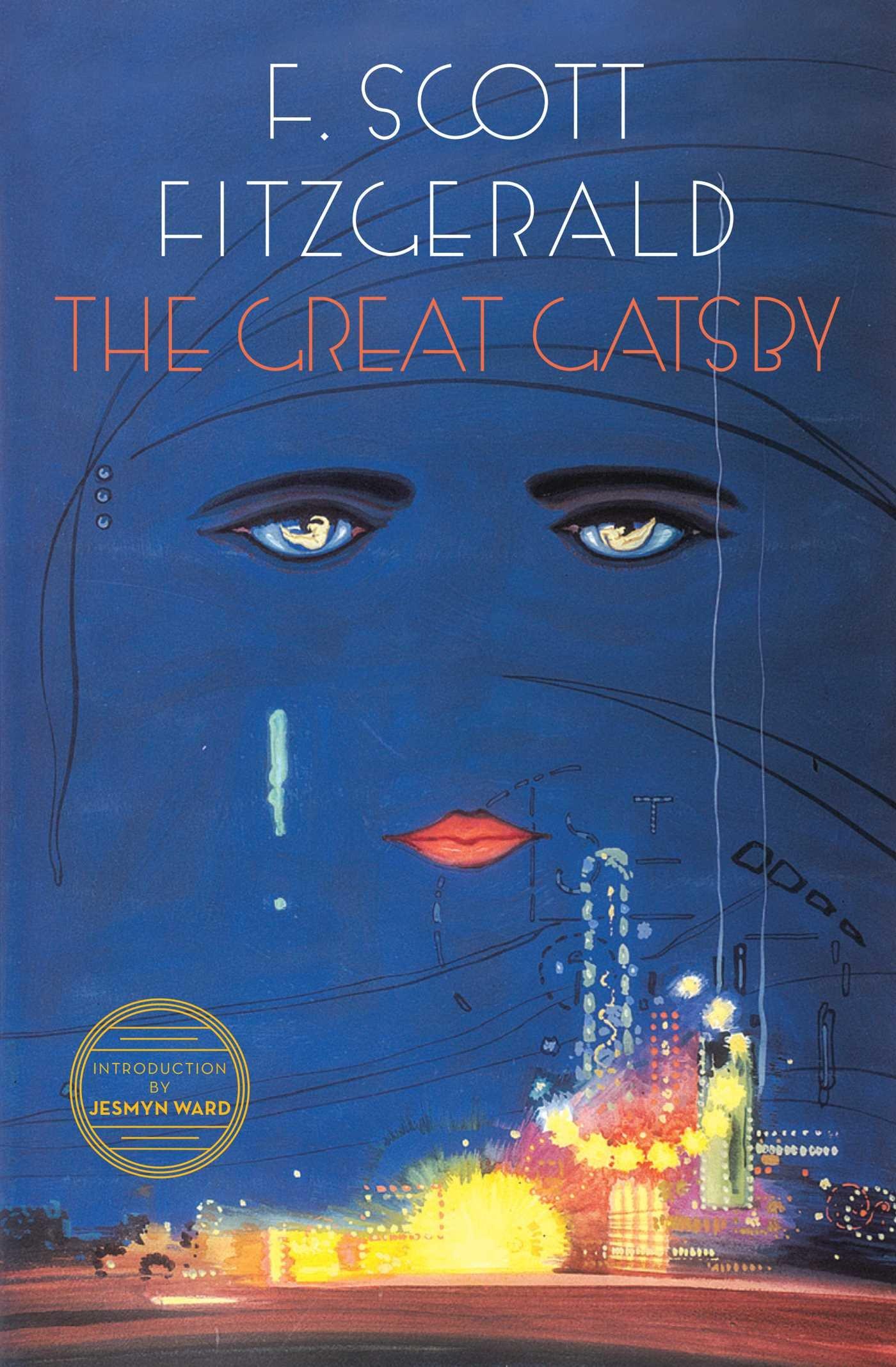
Alternate covers of this ISBN can be found here, here and here. James L. W. West III to include the author’s final revisions and features a note on the composition and text, a personal foreword by Fitzgerald’s granddaughter, Eleanor Lanahan—and a new introduction by two-time National Book Award winner Jesmyn Ward. The Great Gatsby, F. Scott Fitzgerald’s third book, stands as the supreme achievement of his career. First published in 1925, this quintessential novel of the Jazz Age has been acclaimed by generations of readers. The story of the mysteriously wealthy Jay Gatsby and his love for the beautiful Daisy Buchanan, of lavish parties on Long Island at a time when The New York Times noted “gin was the national drink and sex the national obsession,” it is an exquisitely crafted tale of America in the 1920s.