The Secret History

8 Books Like The Secret History by Donna Tartt

by Donna Tartt

4.1(1148k)

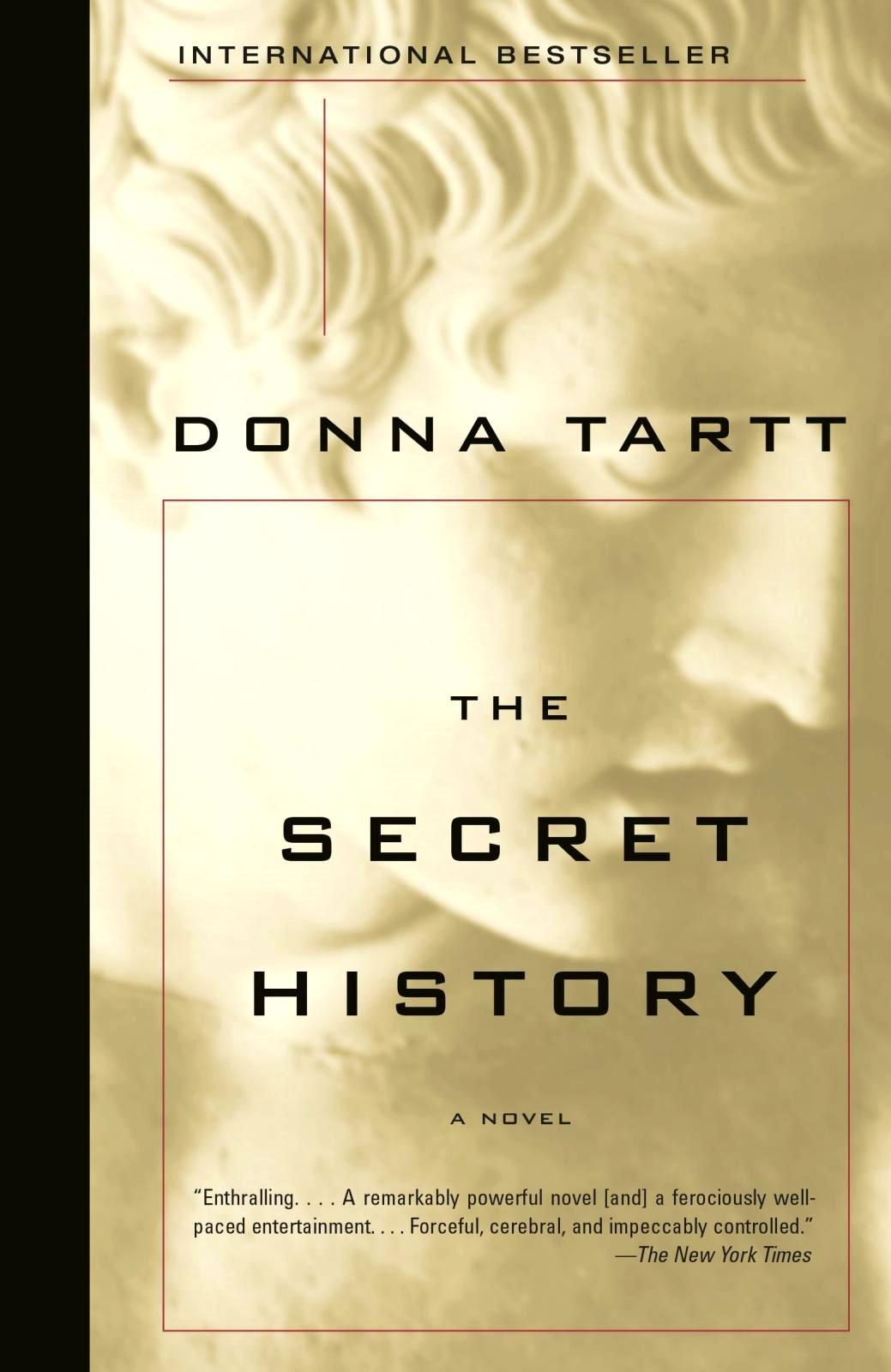
Donna Tartt's The Secret History stands as a defining work of literary fiction because it understands a fundamental truth: the most dangerous stories are those about intelligent people making terrible choices. The novel's appeal lies not in action or plot twists, but in the psychological unraveling of a protagonist who recounts his own moral corruption with unflinching honesty. Readers are drawn into the claustrophobic world of Richard Pepen and his classics cohort, where intellectual ambition becomes indistinguishable from ethical collapse. What makes The Secret History resonate with discerning readers is its refusal to judge its characters even as it catalogs their crimes; instead, Tartt creates a portrait of how ordinary people rationalize the extraordinary.

The books on this list share The Secret History's preoccupation with moral ambiguity and the seduction of transgression. They follow protagonists who operate in gray zones, whether through crime, violence, or deliberate cruelty. Like Tartt's novel, these works examine how intelligent, articulate characters justify their descent into darkness. Some employ Tartt's literary density and philosophical underpinning; others strip away the sophistication to reveal raw human depravity. All of them ask: what makes a sympathetic narrator continue reading when his own actions become indefensible?

These recommendations span multiple genres and styles, from brutal crime fiction to psychological portraits to dark comedy. What unites them is their refusal to offer easy moral answers. They demand readers sit with discomfort, complicity, and the recognition that charm and intelligence are no shield against human capacity for harm. If The Secret History left you wanting more stories about the allure of corruption and the company of the damned, these picks will satisfy that hunger.

Layer Cake
1

Layer Cake

by J.J. Connolly

4.1(5.6k)

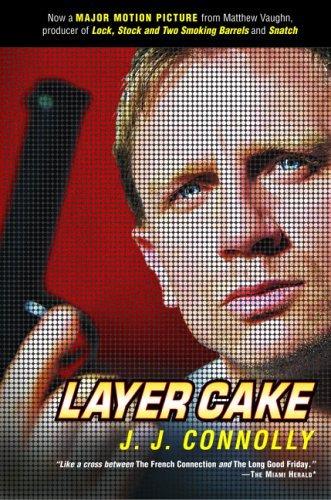
Like The Secret History, Layer Cake presents its narrative through a self-aware protagonist who operates in a world of aestheticized violence. The unnamed cocaine dealer narrator shares Richard Pepen's articulate intelligence and ability to make moral catastrophe sound almost reasonable. Connolly's London underworld operates by the same unspoken codes of loyalty and betrayal that govern Tartt's college circle. The novel's wit and stylistic precision parallel Tartt's approach, proving that criminal enterprise can be rendered with the same literary sophistication as academic life. If what fascinated you about The Secret History was watching a smart person rationalize increasingly worse choices, Layer Cake delivers that same psychological trajectory.

Layer cake (n): a metaphor for the murky layers of the criminal world. Smooth-talking drug dealer X has a plan to quietly bankroll enough cash to retire before his thirtieth birthday. Operating under the polished veneer of a legitimate businessman, his mantra is to keep a low profile and run a tight operation until it's time to get out. When kingpin Jimmy Price asks him to find the wayward daughter of a wealthy socialite who's been running around with a cokehead, he accepts the job with the promise that after this he can leave the criminal world behind with Jimmy's blessing. Oh, and he needs to find a buyer for two million ecstasy pills acquired by a crew of lowly, loud-mouth gangsters, the Yahoos. Simple enough, until an assassin named Klaus arrives to scratch him off his list, revealing this job is much more than it seems at first. The basis for the 2004 movie of the same name.

View on Amazon
Clockers
3

Clockers

by Richard Price

4.1(13k)

Richard Price's Clockers captures the same atmosphere of institutional corruption and moral drift that permeates The Secret History, but transplants it to New Jersey's drug economy. The novel follows young dealers and the detectives assigned to them with equal sympathy, showing how systems of power corrupt everyone within them. Price's dialogue and character work rival Tartt's ability to make criminals articulate and recognizable. Both novels understand that corruption spreads through proximity and rationalization, that ordinary people in extraordinary circumstances make extraordinary choices. The claustrophobic tension of watching intelligent people navigate impossible moral terrain connects directly to what makes The Secret History unforgettable.

Award-winning author Richard Price here offers a viscerally affecting and accomplished portrait of inner-city America. Veteran homicide detective Rocco Klein's passion for the job gave way long ago. His beat is a rough New Jersey neighborhood where the drug murders blur together, until the day Victor Dunham — a twenty-year-old with a steady job and a clean record — confesses to a shooting outside a fast-food joint. It doesn't take long for Rocco's attention to turn to Victor's brother, a street-corner crack dealer named Strike who seems a more likely suspect for the crime. At once an intense mystery, and a revealing study of two men on opposite sides of an unwinnable war, Clockers is a stunningly well-rendered chronicle of modern life on the streets.

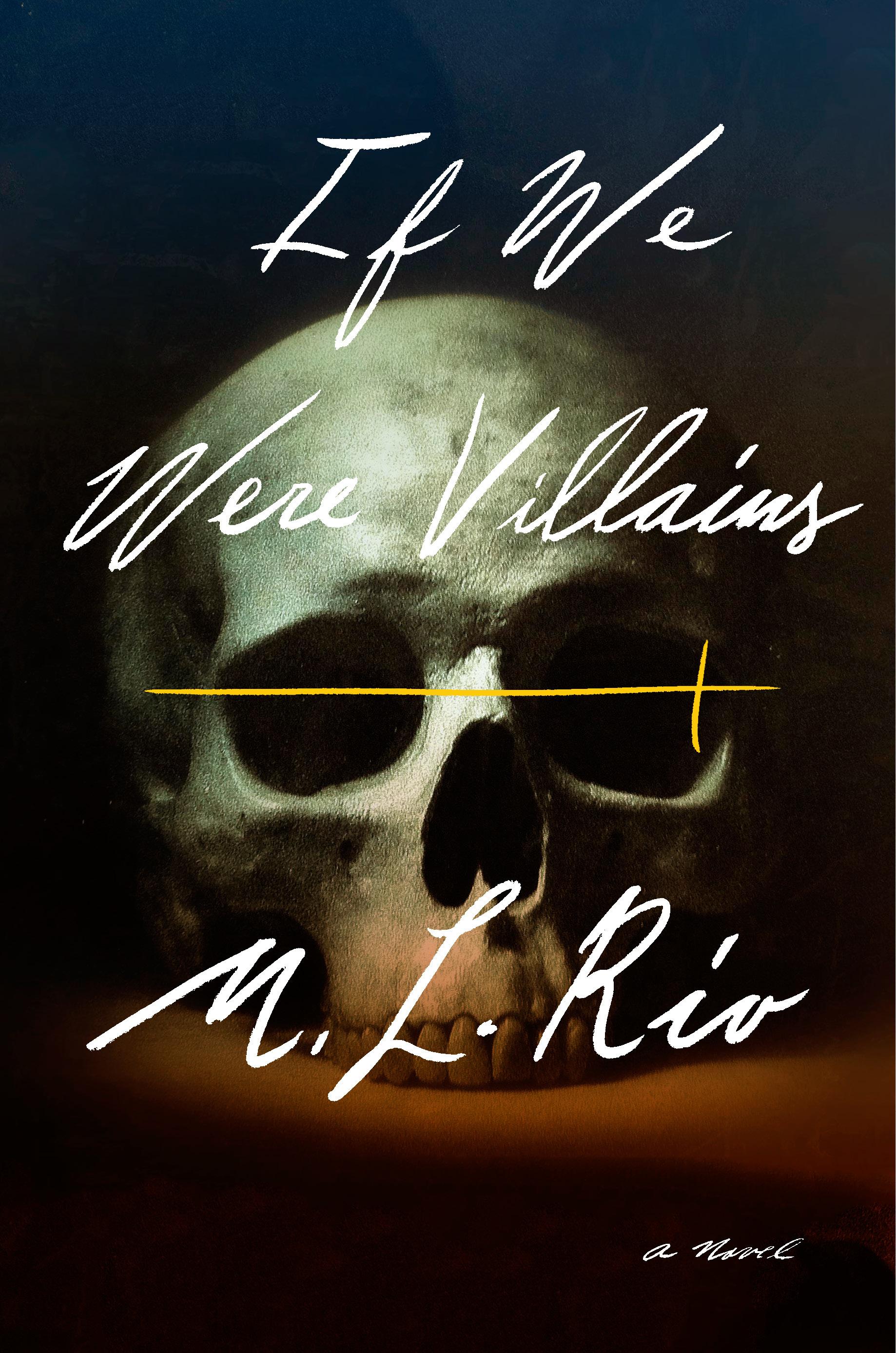
If We Were Villains
4
4.1(346k)

This novel is perhaps the closest spiritual companion to The Secret History, following a Shakespearean theater company at an elite arts college as their tight bonds fracture under pressure. Like Tartt's classics students, these characters exist in a rarefied world where art and ambition entangle with violence and betrayal. M.L. Rio captures the same hothouse intensity, the seduction of belonging to an exclusive group of talented misfits. The narrative structure reveals a murder gradually, mirroring how The Secret History unfolds its central crime. Both novels understand that the real tragedy isn't the act of violence, but the slow corruption of conscience that precedes it.

Oliver Marks has just served ten years in jail - for a murder he may or may not have committed. On the day he's released, he's greeted by the man who put him in prison. Detective Colborne is retiring, but before he does, he wants to know what really happened a decade ago. As one of seven young actors studying Shakespeare at an elite arts college, Oliver and his friends play the same roles onstage and off: hero, villain, tyrant, temptress, ingenue, extra. But when the casting changes, and the secondary characters usurp the stars, the plays spill dangerously over into life, and one of them is found dead. The rest face their greatest acting challenge yet: convincing the police, and themselves, that they are blameless.

View on Amazon
Savages
8

Savages

by Don Winslow

3.9(21k)

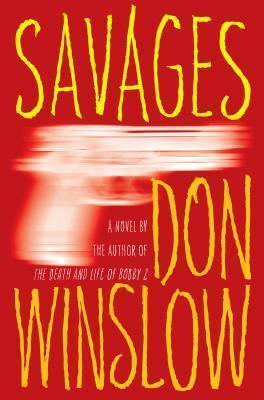
Don Winslow's novel of drug traffickers and the DEA agent obsessed with them shares The Secret History's examination of how proximity to violence and transgression rewires moral sensibility. Both works feature protagonists who become unreliable because they've crossed into moral gray zones they can't retreat from. Winslow's baroque prose style and philosophical asides resemble Tartt's approach to making criminal enterprise seem almost intellectually coherent. The novel explores how intelligent people in systems that reward transgression rationalize increasingly worse acts. If The Secret History left you fascinated by the psychology of corruption, Savages extends that fascination into criminal enterprise.

Part-time environmentalist and philanthropist Ben and his ex-mercenary buddy Chon run a Laguna Beach-based marijuana operation, reaping significant profits from their loyal clientele. In the past when their turf was challenged, Chon took care of eliminating the threat. But now they may have come up against something that they can't handle -- the Mexican Baja Cartel wants in, sending them the message that a "no" is unacceptable. When they refuse to back down, the cartel escalates its threat, kidnapping Ophelia, the boys' playmate and confidante. O's abduction sets off a dizzying array of ingenious negotiations and gripping plot twists that will captivate readers eager to learn the costs of freedom and the price of one amazing high.

View on Amazon
A Simple Plan
9

A Simple Plan

by Scott Smith

3.9(36k)

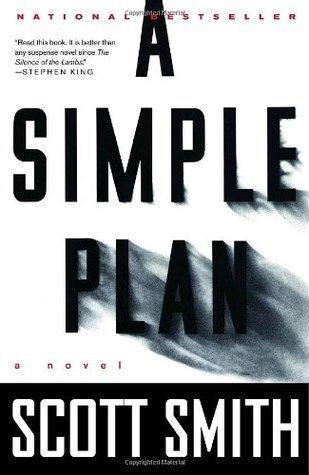
Scott Smith's taut novel of ordinary people discovering buried cash and spiraling into violence captures The Secret History's central insight: that ordinary moral people become corrupted not by malice but by circumstance and rationalization. Like Tartt's characters, Smith's protagonists each make individually logical choices that collectively lead to catastrophe. Both works demonstrate how small compromises accumulate into irreversible damage. Smith's tight prose style and focus on psychological deterioration parallel Tartt's own methods. The novel's exploration of how intelligent people convince themselves to commit violence will resonate deeply with readers who understood The Secret History's slow descent.

Two brothers and their friend stumble upon the wreckage of a plane–the pilot is dead and his duffle bag contains four million dollars in cash. In order to hide, keep, and share the fortune, these ordinary men all agree to a simple plan.

Get Notified When These Books Go Free

Join 50,000+ readers who get handpicked free and discounted Kindle books delivered to their inbox every day.

Sign Up Free
Winter's Bone
10

Winter's Bone

by Daniel Woodrell

3.9(35k)

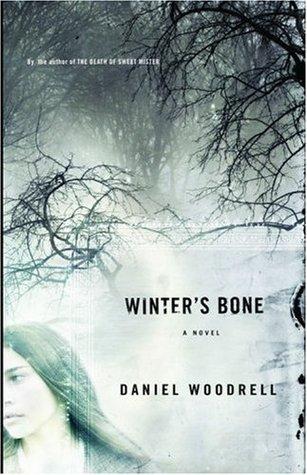
Daniel Woodrell's novel of Ozark poverty and survival shares The Secret History's interest in how systemic forces and family bonds create moral compromise. The protagonist, Ree Dolly, navigates a world where violence and loyalty are inseparable, much like Richard Pepen moves through his circle of misfits. Both works refuse to judge their characters for choices made under impossible pressure. Woodrell's sparse, poetic prose creates the same atmosphere of claustrophobia and inevitability as Tartt's more baroque style. The novel demonstrates that The Secret History's themes of corruption through proximity aren't limited to privileged settings; they operate wherever power and survival intersect.

The sheriff's deputy at the front door brings hard news to Ree Dolly. Her father has skipped bail on charges that he ran a crystal meth lab, and the Dollys will lose their house if he doesn't show up for his next court date. Ree's father has disappeared before. The Dolly clan has worked the shadowy side of the law for generations, and arrests (and attempts to avoid them) are part of life in Rathlin Valley. But the house is all they have, and Ree's father would never forfeit it to the bond company unless something awful happened. With two young brothers depending on her and a mother who's entered a kind of second childhood, Ree knows she has to bring her father back, dead or alive, or else see her family turned out into the unforgiving cold. Sixteen-year-old Ree, who has grown up in the harsh poverty of the Ozarks, learns quickly that asking questions of the rough Dolly clan can be a fatal mistake. She perseveres past obstacles of every kind and finally confronts the top figures in the family's hierarchy. Along the way to a shocking revelation, Ree discovers unexpected depths in herself and in a family network that protects its own at any cost.

View on Amazon
The Black Dahlia
14

The Black Dahlia

by James Ellroy

3.8(87k)

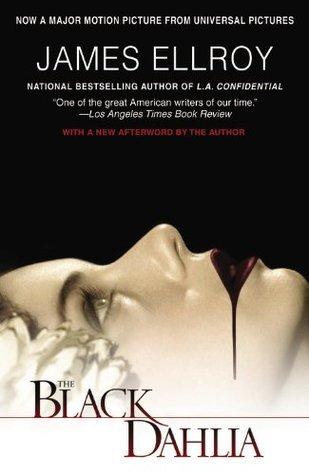
James Ellroy's noir follows detectives corrupted by proximity to violence and obsession, much as The Secret History follows a protagonist corrupted by proximity to a charismatic group. Both works understand that intelligence doesn't prevent moral compromise; sometimes it enables it. Ellroy's fragmented narrative style and unflinching depiction of violence create an atmosphere of moral decay similar to Tartt's portrayal of the classics circle. The novel's examination of how ambition and obsession override ethics will resonate with readers who found themselves drawn into The Secret History's protagonist's perspective.

On January 15, 1947, the torture-ravished body of a beautiful young woman is found in a vacant lot. The victim makes headlines as the Black Dahlia—and so begins the greatest manhunt in California history. Caught up in the investigation are Bucky Bleichert and Lee Blanchard: Warrants Squad cops, friends, and rivals in love with the same woman. But both are obsessed with the Dahlia—driven by dark needs to know everything about her past, to capture her killer, to possess the woman even in death. Their quest will take them on a hellish journey through the underbelly of postwar Hollywood, to the core of the dead girl's twisted life, past the extremes of their own psyches—into a region of total madness.

The Picture of Dorian Gray
15
4.2(305k)

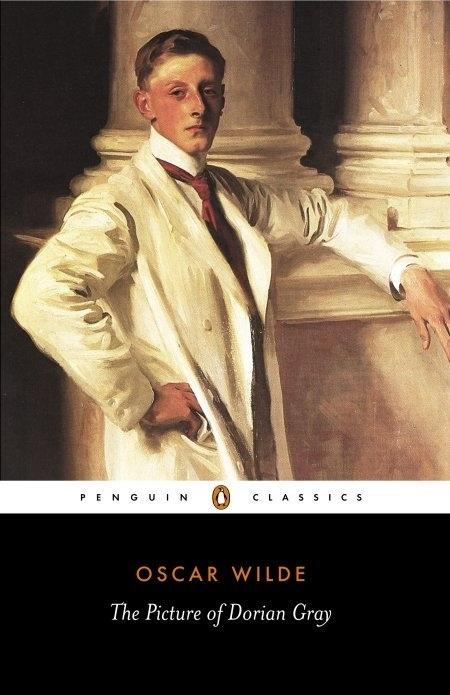
Oscar Wilde's short novel is a direct precursor to The Secret History, exploring how beauty, intelligence, and seductive philosophy enable moral corruption. Like Tartt's characters, Dorian Gray surrounds himself with brilliant people who encourage his worst impulses, rationalizing transgression through aesthetics. Both works understand that the real tragedy is internal; the corruption of conscience matters more than external consequences. Wilde's wit and psychological insight presage Tartt's own approach by more than a century. If The Secret History left you wanting to explore its central themes in their earlier literary incarnations, The Picture of Dorian Gray is essential.

'The horror, whatever it was, had not yet entirely spoiled that marvellous beauty' Enthralled by his own exquisite portrait, Dorian Gray exchanges his soul for eternal youth and beauty. Influenced by his friend Lord Henry Wotton, he is drawn into a corrupt double life, indulging his desires in secret while remaining a gentleman in the eyes of polite society. Only his portrait bears the traces of his decadence. The Picture of Dorian Gray was a succès de scandale. Early readers were shocked by its hints at unspeakable sins, and the book was later used as evidence against Wilde at the Old Bailey in 1895. This definitive edition includes a selection of contemporary reviews condemning the novel's immorality, and the introduction to the first Penguin Classics edition by Peter Ackroyd.

View on Amazon

Each of these novels offers a different lens on transgression and moral compromise. Some are bleaker than Tartt's prose; others approach similar territory through satire or genre fiction. What they share is a clear-eyed view of how intelligent people justify unjustifiable acts, and how readers can become implicated in their schemes.

The best time to explore these books is when you're ready to encounter fiction that doesn't flinch. Read them in whatever order calls to you, but go in knowing that none of them offer redemption or easy answers. That's precisely the point.

Never Miss a Free Kindle Book

We track thousands of Kindle books daily and alert you when they drop to free. Join 50,000+ readers getting the best deals.

Sign Up Free

Prefer free books on the go?

The Free Books for Kindle app gives you daily free book alerts, genre filtering, push notifications and zero ads.

Get the App