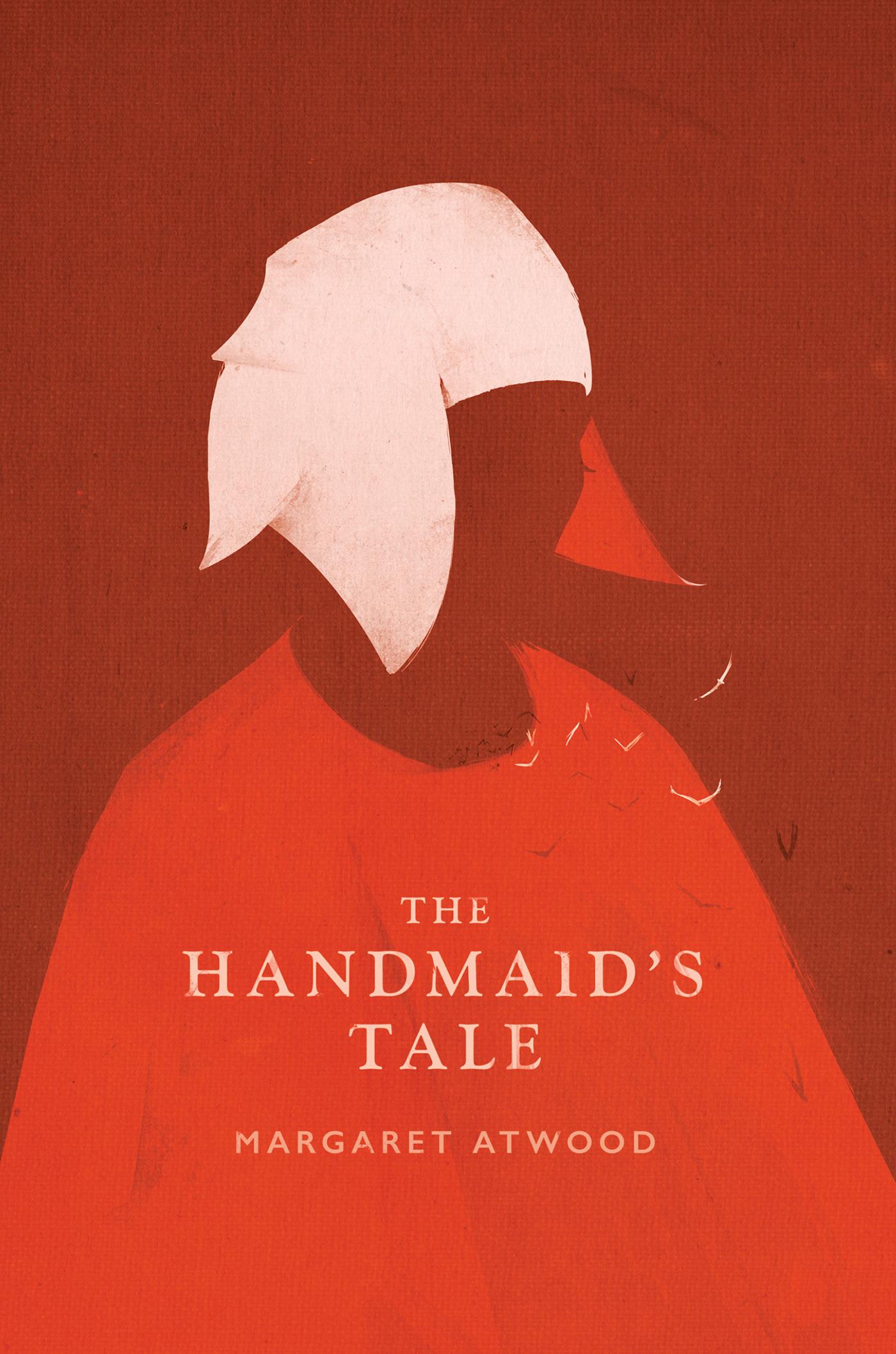
The Handmaid's Tale

6 Books Like The Handmaid's Tale by Margaret Atwood

by Margaret Atwood

4.2(2587k)

Margaret Atwood's The Handmaid's Tale stands as a dystopian masterpiece that redefined how literature examines power, bodily autonomy, and the systematic erasure of women's rights. The novel's vision of the theocratic Republic of Gilead is so visceral and terrifying that readers often emerge from its pages wondering which dystopian novels capture similar themes of control, resistance, and the fragility of freedom. Finding books similar to The Handmaid's Tale means seeking stories that grapple with oppression at a structural level, where individual choice becomes an act of rebellion and survival itself is political.

What makes The Handmaid's Tale particularly resonant is how it weaves feminist critique into the fabric of its narrative. Atwood doesn't simply describe a world where women are property; she forces readers into Offred's consciousness, making complicity and resistance viscerally real. Readers seeking novels like The Handmaid's Tale often find themselves searching for stories that interrogate how societies justify injustice, how language becomes a tool of control, and how intimacy transforms into an underground form of resistance. The demand for books like this reflects a hunger for literary fiction that doesn't shy away from systemic darkness while still affirming human connection.

Other dystopian and literary fiction explores similar territories through different lenses. Some focus on totalitarian surveillance and thought control. Others examine how patriarchal systems entrench themselves through law, religion, and social ritual. Some probe the psychological cost of living under constant threat. If you loved The Handmaid's Tale, discovering your next read means finding stories that share its unflinching examination of how power operates through the body, the mind, and the relationships we're forced to navigate under constraint. The following novels all offer that same combination of intimate character study and systemic critique that makes Atwood's work so enduring.

1984
1

1984

by George Orwell

4.2(1791k)

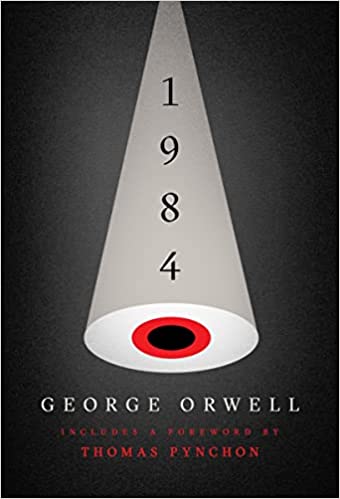
Orwell's totalitarian masterpiece shares Atwood's interest in how language becomes a weapon of control and how intimacy is weaponized by the state. Like Offred navigating Gilead, Winston Smith must negotiate between outward compliance and inner resistance, though Orwell's vision is colder and more systematically devastating. The psychological torment of living under absolute surveillance without hope of escape makes 1984 essential reading for anyone drawn to The Handmaid's Tale's exploration of systematic dehumanization.

A masterpiece of rebellion and imprisonment where war is peace freedom is slavery and Big Brother is watching. Thought Police, Big Brother, Orwellian - these words have entered our vocabulary because of George Orwell's classic dystopian novel 1984. The story of one man's Nightmare Odyssey as he pursues a forbidden love affair through a world ruled by warring states and a power structure that controls not only information but also individual thought and memory 1984 is a prophetic haunting tale More relevant than ever before 1984 exposes the worst crimes imaginable the destruction of truth freedom and individuality. With a foreword by Thomas Pynchon. This beautiful paperback edition features deckled edges and french flaps a perfect gift for any occasion Alternate cover edition can be found here.
Fahrenheit 451
3

Fahrenheit 451

by Ray Bradbury

4.0(1501k)

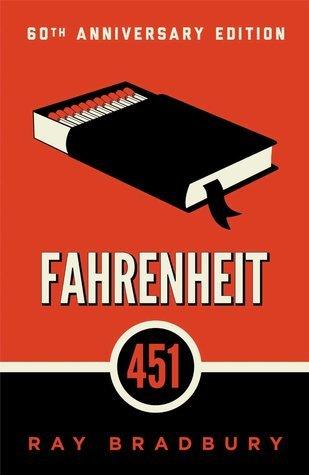
Bradbury's novel resonates with The Handmaid's Tale through its examination of how authoritarian systems suppress knowledge and independent thought. Like Atwood, Bradbury shows how dangerous ideas are erased, how memory becomes an act of resistance, and how those in power fear what people might discover if allowed to think freely. The intimate relationship between the protagonist and a woman who carries forbidden knowledge echoes the dangerous connections Offred must forge to survive.

Nearly seventy years after its original publication, Ray Bradbury’s internationally acclaimed novel Fahrenheit 451 stands as a classic of world literature set in a bleak, dystopian future. Today its message has grown more relevant than ever before. Guy Montag is a fireman. His job is to destroy the most illegal of commodities, the printed book, along with the houses in which they are hidden. Montag never questions the destruction and ruin his actions produce, returning each day to his bland life and wife, Mildred, who spends all day with her television “family.” But when he meets an eccentric young neighbor, Clarisse, who introduces him to a past where people didn’t live in fear and to a present where one sees the world through the ideas in books instead of the mindless chatter of television, Montag begins to question everything he has ever known.

View on Amazon
Brave New World
9

Brave New World

by Aldous Huxley

4.0(1925k)

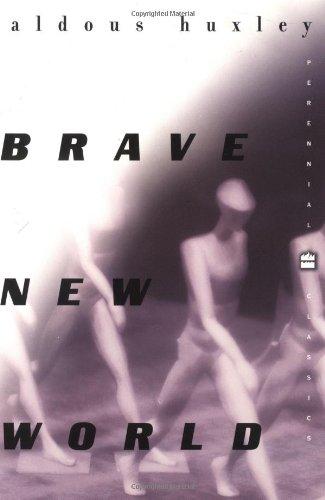
Where The Handmaid's Tale depicts control through fear and religious doctrine, Huxley's novel explores subjugation through pleasure and chemical contentment. Both works examine how societies engineer consent and eliminate the desire for freedom itself. Readers who appreciate Atwood's critique of how systems exploit women's bodies will find Huxley's vision of a supposedly perfected society equally chilling, even as its methods differ from Gilead's brutality.

Brave New World is a dystopian social science fiction novel by English author Aldous Huxley. Largely set in a futuristic World State, whose citizens are environmentally engineered into an intelligence-based social hierarchy, the novel anticipates huge scientific advancements in reproductive technology, sleep-learning, psychological manipulation and classical conditioning that are combined to make a dystopian society which is challenged by only a single individual: the story's protagonist.

View on Amazon
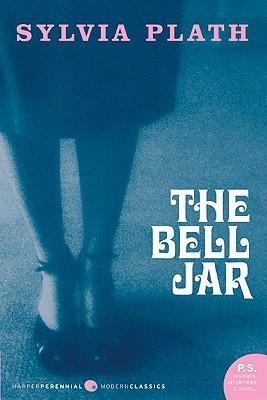
The Bell Jar
10

The Bell Jar

by Sylvia Plath

4.0(191k)

Plath's semi-autobiographical novel approaches oppression from within, capturing how patriarchal expectations and medical establishment failure can trap a woman in a prison of the mind. While not a dystopia, The Bell Jar shares The Handmaid's Tale's unflinching examination of how women are constrained by systems that claim to protect them. The novel's exploration of bodily autonomy, reproductive pressure, and the costs of non-conformity creates thematic resonance despite its contemporary American setting.

The Bell Jar chronicles the crack-up of Esther Greenwood: brilliant, beautiful, enormously talented, and successful, but slowly going under -- maybe for the last time. Sylvia Plath masterfully draws the reader into Esther's breakdown with such intensity that Esther's insanity becomes completely real and even rational, as probable and accessible an experience as going to the movies. Such deep penetration into the dark and harrowing corners of the psyche is an extraordinary accomplishment and has made The Bell Jar a haunting American classic. (back cover)

View on Amazon
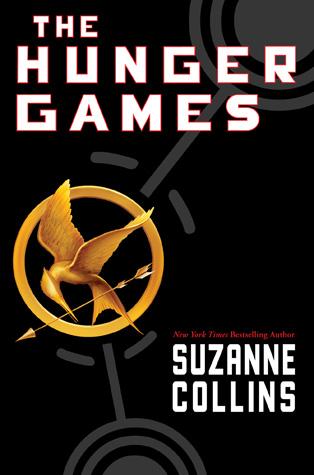
The Hunger Games
11

The Hunger Games

by Suzanne Collins

4.3(9924k)

Collins creates a dystopia that, like Gilead, systematizes the exploitation of young women's bodies for state purposes. Katniss becomes a symbol whether she consents to it or not, much as Offred is reduced to her reproductive capacity. Both works examine how totalitarian regimes commodify and control women while offering protagonists who find power through subversion and refusal, making The Hunger Games a natural read for fans of The Handmaid's Tale seeking similar stakes.

Winning means fame and fortune. Losing means certain death. The Hunger Games have begun. . . . In the ruins of a place once known as North America lies the nation of Panem, a shining Capitol surrounded by twelve outlying districts. The Capitol is harsh and cruel and keeps the districts in line by forcing them all to send one boy and one girl between the ages of twelve and eighteen to participate in the annual Hunger Games, a fight to the death on live TV. Sixteen-year-old Katniss Everdeen regards it as a death sentence when she steps forward to take her sister's place in the Games. But Katniss has been close to dead before-and survival, for her, is second nature. Without really meaning to, she becomes a contender. But if she is to win, she will have to start making choices that weigh survival against humanity and life against love.

View on Amazon

Get Notified When These Books Go Free

Join 50,000+ readers who get handpicked free and discounted Kindle books delivered to their inbox every day.

Sign Up Free
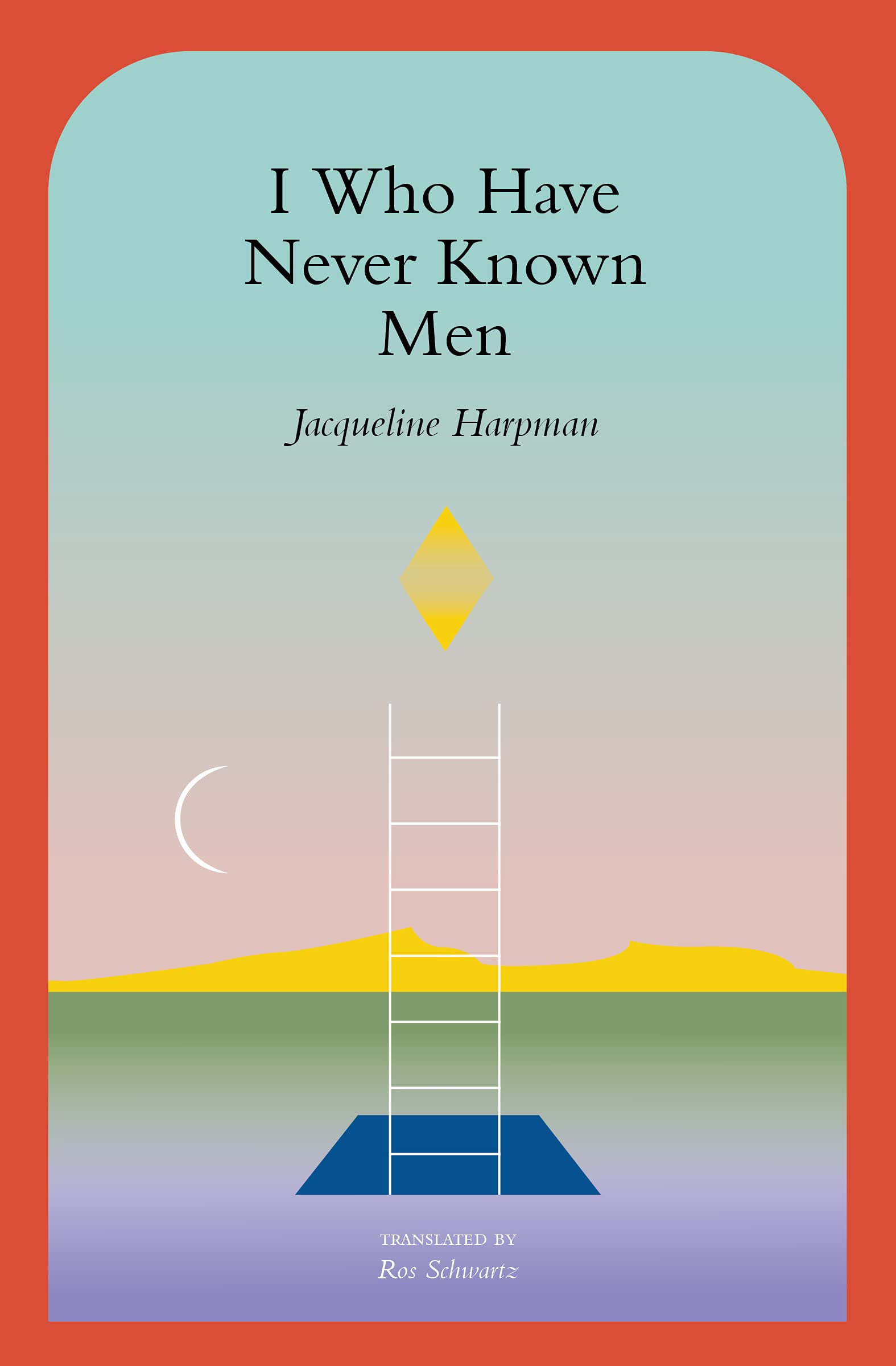
I Who Have Never Known Men
12

I Who Have Never Known Men

by Jacqueline Harpman

4.0(452k)

Mertens' novel offers a female-centered dystopian vision that echoes Atwood's preoccupations with bodily autonomy and the enforced separation of women from the world. The protagonist emerges from captivity into a transformed earth, her freedom curtailed by a world that has evolved without her. Like The Handmaid's Tale, the novel examines what it means to reclaim agency after systematic erasure and how women forge connections under constraint.

Deep underground, forty women live imprisoned in a cage. Watched over by guards, the women have no memory of how they got there, no notion of time, and only a vague recollection of their lives before. As the burn of electric light merges day into night and numberless years pass, a young girl—the fortieth prisoner—sits alone and outcast in the corner. Soon she will show herself to be the key to the others' escape and survival in the strange world that awaits them above ground. Jacqueline Harpman was born in Etterbeek, Belgium, in 1929, and fled to Casablanca with her family during WWII. Informed by her background as a psychoanalyst and her youth in exile, I Who Have Never Known Men is a haunting, heartbreaking post-apocalyptic novel of female friendship and intimacy, and the lengths people will go to maintain their humanity in the face of devastation. Back in print for the first time since 1997, Harpman's modern classic is an important addition to the growing canon of feminist speculative literature.

View on Amazon

These picks represent different angles into the same terrain Atwood maps in The Handmaid's Tale: the machinery of oppression, the ways societies normalize violence, and the quiet rebellions of those with few choices left. Some operate as straightforward dystopias while others use historical or contemporary settings to achieve similar moral force. All share Atwood's conviction that literature must tell the truth about power.

If you've finished The Handmaid's Tale and want to continue exploring books similar to it, these selections offer both the literary weight and the thematic depth that made Atwood's novel so unforgettable. Whether you're drawn to dystopian worlds, feminist critiques of patriarchy, or narratives about survival under totalitarian regimes, there's a book here that will resonate with what made The Handmaid's Tale matter to you.

Never Miss a Free Kindle Book

We track thousands of Kindle books daily and alert you when they drop to free. Join 50,000+ readers getting the best deals.

Sign Up Free

Prefer free books on the go?

The Free Books for Kindle app gives you daily free book alerts, genre filtering, push notifications and zero ads.

Get the App