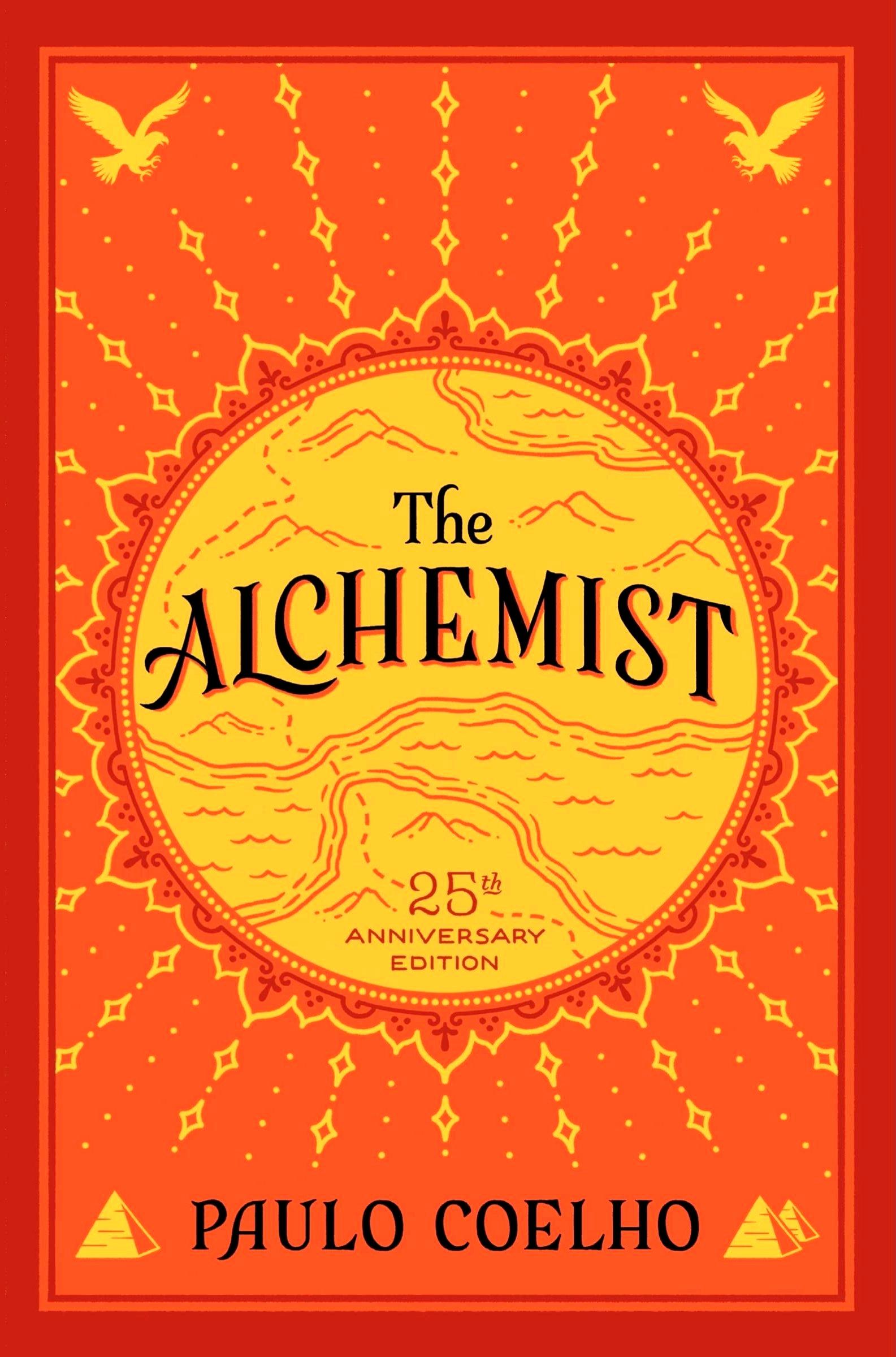
The Alchemist

15 Books Like The Alchemist by Paulo Coelho

by Paulo Coelho

3.9(3787k)

Paulo Coelho's The Alchemist has sold over 150 million copies worldwide, and there's a reason it keeps finding new readers decade after decade. It's one of those rare books that feels like it was written specifically for you, no matter when you pick it up. Santiago's journey from Spanish shepherd to treasure-seeking traveler in the Egyptian desert is simple on the surface, but underneath it's a story about listening to your heart, trusting the universe, and having the courage to chase what you were put on this earth to do. If you've read it, you already know the feeling. That quiet fire it lights inside you.

Finding books similar to The Alchemist isn't as straightforward as matching genre tags. The Alchemist works because of what it does to you, not because of what category it sits in. It blends fable with philosophy. It reads fast but sits with you for years. It makes you question whether you're actually living your own life or just going through the motions. That combination of spiritual weight and readable storytelling is what makes Coelho's masterpiece so hard to replicate, and it's exactly what we're chasing with this list.

So if you liked The Alchemist, what do you reach for next? We went deep on this one. Some of our picks share the fable-like structure. Others hit the same philosophical nerve from completely different angles. A few aren't even fiction. But every single book on this list will scratch that same itch: the desire to understand something bigger about life, purpose, and what it means to follow your own path. These are books like The Alchemist in spirit, even when they look nothing alike on the shelf.

Here are 15 books that capture that same sense of seeking, questioning, and discovering truths that were hiding in plain sight all along.

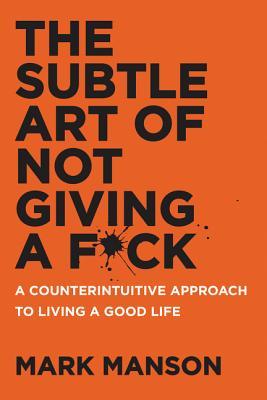
The Subtle Art of Not Giving a F*ck: A Counterintuitive Approach to Living a Good Life
1

The Subtle Art of Not Giving a F*ck: A Counterintuitive Approach to Living a Good Life

by Mark Manson

3.9(1292k)

Mark Manson's brand of philosophy couldn't look more different from Coelho's on the surface. Where The Alchemist is gentle and mystical, Manson is blunt, profane, and deliberately provocative. But strip away the tone and these two books are wrestling with the exact same question: what actually matters in your life? Santiago had to leave behind his comfortable existence as a shepherd to find his Personal Legend. Manson argues that most of us need to do something similar, except instead of crossing a desert, we need to stop caring about the wrong things so we can finally care about the right ones. It's the same core message delivered through a completely different lens, and if you liked The Alchemist's push to live more intentionally, Manson will hit you just as hard. The philosophical backbone is sturdier than the title suggests.

Alternate cover edition of ISBN 9780062457738 In this generation-defining self-help guide, a superstar blogger cuts through the crap to show us how to stop trying to be "positive" all the time so that we can truly become better, happier people. For decades, we’ve been told that positive thinking is the key to a happy, rich life. "F**k positivity," Mark Manson says. "Let’s be honest, shit is f**ked and we have to live with it." In his wildly popular Internet blog, Manson doesn’t sugarcoat or equivocate. He tells it like it is—a dose of raw, refreshing, honest truth that is sorely lacking today. The Subtle Art of Not Giving a F**k is his antidote to the coddling, let’s-all-feel-good mindset that has infected American society and spoiled a generation, rewarding them with gold medals just for showing up. Manson makes the argument, backed both by academic research and well-timed poop jokes, that improving our lives hinges not on our ability to turn lemons into lemonade, but on learning to stomach lemons better. Human beings are flawed and limited—"not everybody can be extraordinary, there are winners and losers in society, and some of it is not fair or your fault." Manson advises us to get to know our limitations and accept them. Once we embrace our fears, faults, and uncertainties, once we stop running and avoiding and start confronting painful truths, we can begin to find the courage, perseverance, honesty, responsibility, curiosity, and forgiveness we seek. There are only so many things we can give a f**k about so we need to figure out which ones really matter, Manson makes clear. While money is nice, caring about what you do with your life is better, because true wealth is about experience. A much-needed grab-you-by-the-shoulders-and-look-you-in-the-eye moment of real-talk, filled with entertaining stories and profane, ruthless humor, The Subtle Art of Not Giving a F**k is a refreshing slap for a generation to help them lead contented, grounded lives.
1984
2

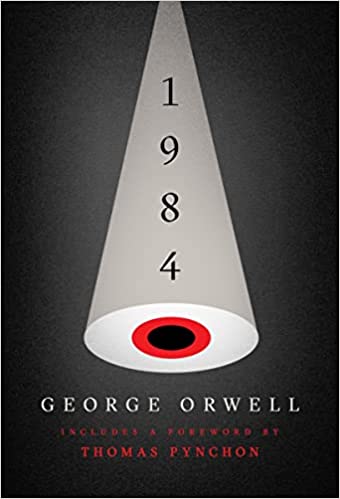
1984

by George Orwell

4.2(1791k)

George Orwell's masterwork might seem like an odd pick for a list of books like The Alchemist, but stay with me. The Alchemist is fundamentally about one person's refusal to accept the life that was prescribed for him. Winston Smith's story in 1984 is that same impulse, except set inside a system designed to crush it entirely. Where Santiago finds the universe conspiring in his favor, Winston finds the universe rebuilt to make personal truth impossible. Reading these two books together is a fascinating exercise because they sit on opposite ends of the same spectrum. One shows what happens when you follow your deepest convictions. The other shows what happens when an entire civilization is engineered to make sure you can't. If The Alchemist made you value the freedom to seek your own path, 1984 will make you understand exactly what's at stake if that freedom disappears.

A masterpiece of rebellion and imprisonment where war is peace freedom is slavery and Big Brother is watching. Thought Police, Big Brother, Orwellian - these words have entered our vocabulary because of George Orwell's classic dystopian novel 1984. The story of one man's Nightmare Odyssey as he pursues a forbidden love affair through a world ruled by warring states and a power structure that controls not only information but also individual thought and memory 1984 is a prophetic haunting tale More relevant than ever before 1984 exposes the worst crimes imaginable the destruction of truth freedom and individuality. With a foreword by Thomas Pynchon. This beautiful paperback edition features deckled edges and french flaps a perfect gift for any occasion Alternate cover edition can be found here.

Animal Farm
3

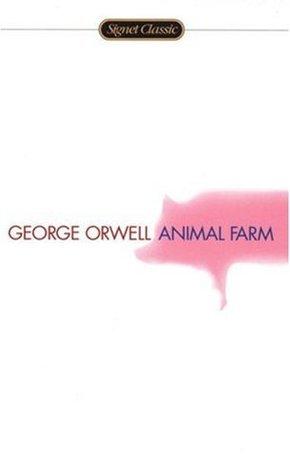
Animal Farm

by George Orwell

4.1(2275k)

Coelho loves the fable format because it lets big truths sneak past your defenses disguised as simple stories. Orwell does the exact same thing with Animal Farm, except his fable is about politics instead of spirituality. The animals of Manor Farm overthrow their human masters and set up their own society, only to watch it slowly corrupt itself from the inside. It reads in an afternoon, just like The Alchemist. It uses plain, almost childlike language to deliver ideas that are anything but simple. And it stays with you in that same unsettling way, making you look at the world a little differently the next morning. If you loved how The Alchemist packed enormous wisdom into a short, accessible story, Animal Farm does the same trick with a completely different set of truths. Both books prove that the most powerful ideas don't need 600 pages to land.

Animal Farm is the most famous by far of all twentieth-century political allegories. Its account of a group of barnyard animals who revolt against their vicious human master, only to submit to a tyranny erected by their own kind, can fairly be said to have become a universal drama. Orwell is one of the very few modern satirists comparable to Jonathan Swift in power, artistry, and moral authority; in animal farm his spare prose and the logic of his dark comedy brilliantly highlight his stark message. Taking as his starting point the betrayed promise of the Russian Revolution, Orwell lays out a vision that, in its bitter wisdom, gives us the clearest understanding we possess of the possible consequences of our social and political acts.

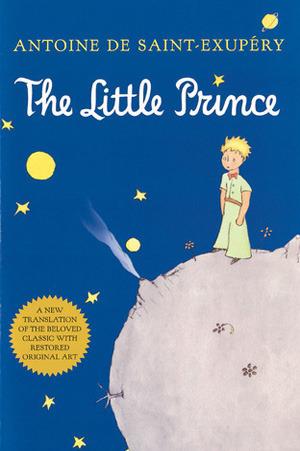
The Little Prince
4

The Little Prince

by Antoine de Saint-Exupéry

4.3(2191k)

This is probably the single most obvious recommendation for anyone searching for books similar to The Alchemist, and it deserves that spot. Antoine de Saint-Exupery's story about a pilot stranded in the desert who meets a small boy from another planet is the closest thing in literature to what Coelho achieved. It's a fable about seeing clearly, loving honestly, and understanding that the most important things in life are invisible. The Little Prince travels from world to world, meeting adults who have forgotten what matters, much like Santiago meets people along his journey who have given up on their dreams. Both books use journeys as a way to explore inner truths. Both are deceptively simple. And both have that rare quality where rereading them at different stages of your life reveals completely new layers. If you've somehow never read The Little Prince, fix that immediately.

A pilot forced to land in the Sahara meets a little prince. The wise and enchanting stories the prince tells of his own planet with its three volcanoes and a haughty flower are unforgettable. A strange and wonderful parable for all ages, with super illustrations by the author.

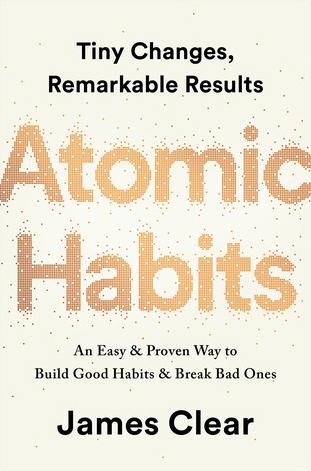
Atomic Habits: An Easy & Proven Way to Build Good Habits & Break Bad Ones
5

Atomic Habits: An Easy & Proven Way to Build Good Habits & Break Bad Ones

by James Clear

4.3(1305k)

Here's the thing about The Alchemist that people sometimes overlook: it's not just about having a dream, it's about doing the daily work to pursue it. Santiago doesn't teleport to the pyramids. He works in a crystal shop. He crosses a desert. He puts in the unglamorous time. James Clear's Atomic Habits is the practical manual for that part of the journey. Clear argues that transformation doesn't come from massive overnight changes but from tiny, consistent shifts in behavior that compound over time. It's the how behind The Alchemist's why. If Coelho lit the fire in you to pursue your Personal Legend, Clear gives you the actual system for showing up every day and building toward it. Reading these two back to back is one of the best one-two punches in personal development. One for the soul, one for the schedule.

No matter your goals, Atomic Habits offers a proven framework for improving—every day. James Clear, one of the world's leading experts on habit formation, reveals practical strategies that will teach you exactly how to form good habits, break bad ones, and master the tiny behaviors that lead to remarkable results. If you're having trouble changing your habits, the problem isn't you. The problem is your system. Bad habits repeat themselves again and again not because you don't want to change, but because you have the wrong system for change. You do not rise to the level of your goals. You fall to the level of your systems. Here, you'll get a proven system that can take you to new heights. Clear is known for his ability to distill complex topics into simple behaviors that can be easily applied to daily life and work. Here, he draws on the most proven ideas from biology, psychology, and neuroscience to create an easy-to-understand guide for making good habits inevitable and bad habits impossible. Along the way, readers will be inspired and entertained with true stories from Olympic gold medalists, award-winning artists, business leaders, life-saving physicians, and star comedians who have used the science of small habits to master their craft and vault to the top of their field. Learn how to: - Make time for new habits (even when life gets crazy); - Overcome a lack of motivation and willpower; - Design your environment to make success easier; - Get back on track when you fall off course; ...and much more. Atomic Habits will reshape the way you think about progress and success, and give you the tools and strategies you need to transform your habits--whether you are a team looking to win a championship, an organization hoping to redefine an industry, or simply an individual who wishes to quit smoking, lose weight, reduce stress, or achieve any other goal.

Get Notified When These Books Go Free

Join 50,000+ readers who get handpicked free and discounted Kindle books delivered to their inbox every day.

Sign Up Free
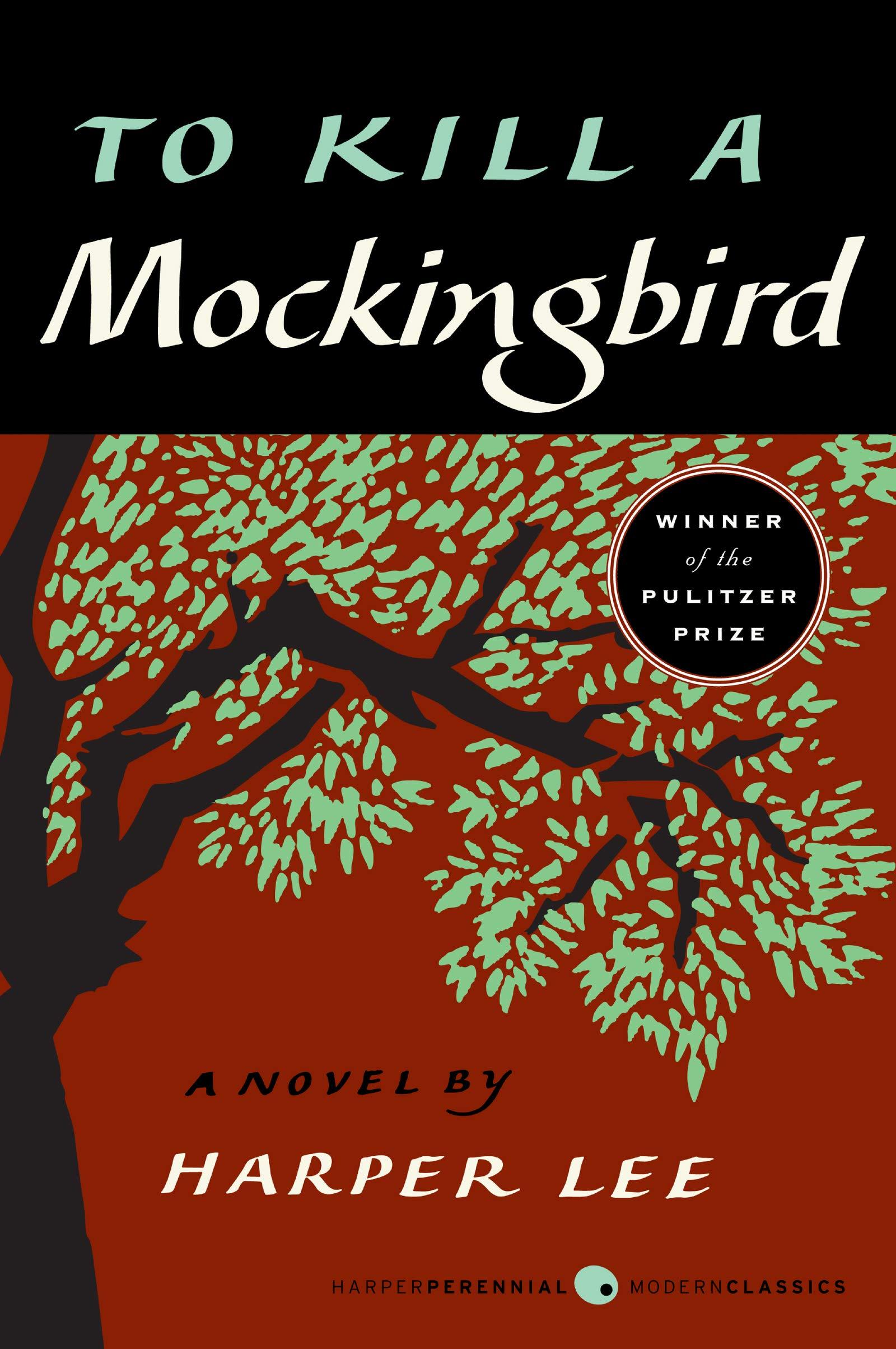
To Kill a Mockingbird
6

To Kill a Mockingbird

by Harper Lee

4.2(740k)

Harper Lee's novel shares something crucial with The Alchemist: a protagonist who sees truth that the adults around them have gone blind to. Scout Finch watches her father Atticus defend a Black man in a deeply racist Southern town, and through her eyes we see both the ugliness of the world and the stubborn beauty of doing what's right anyway. The Alchemist argues that most people abandon their Personal Legend because the world tells them to be practical, to settle, to stop dreaming. To Kill a Mockingbird shows a man who refuses to do exactly that, even when the entire town turns against him. Both books are fundamentally about moral courage and the cost of living by your own convictions. Lee's writing has that same clarity Coelho is known for. Sentences that look simple until you realize they've gutted you. If you liked The Alchemist's faith in doing the right thing despite the odds, Mockingbird will resonate deeply.

One of the best-loved stories of all time, To Kill a Mockingbird has been translated into more than forty languages, sold more than forty million copies worldwide, served as the basis for an enormously popular motion picture, and was voted one of the best novels of the twentieth century by librarians across the country. A gripping, heart-wrenching, and wholly remarkable coming-of-age tale in a South poisoned by virulent prejudice, it views a world of great beauty and savage iniquities through the eyes of a young girl, as her father — a crusading local lawyer — risks everything to defend a black man unjustly accused of a terrible crime.

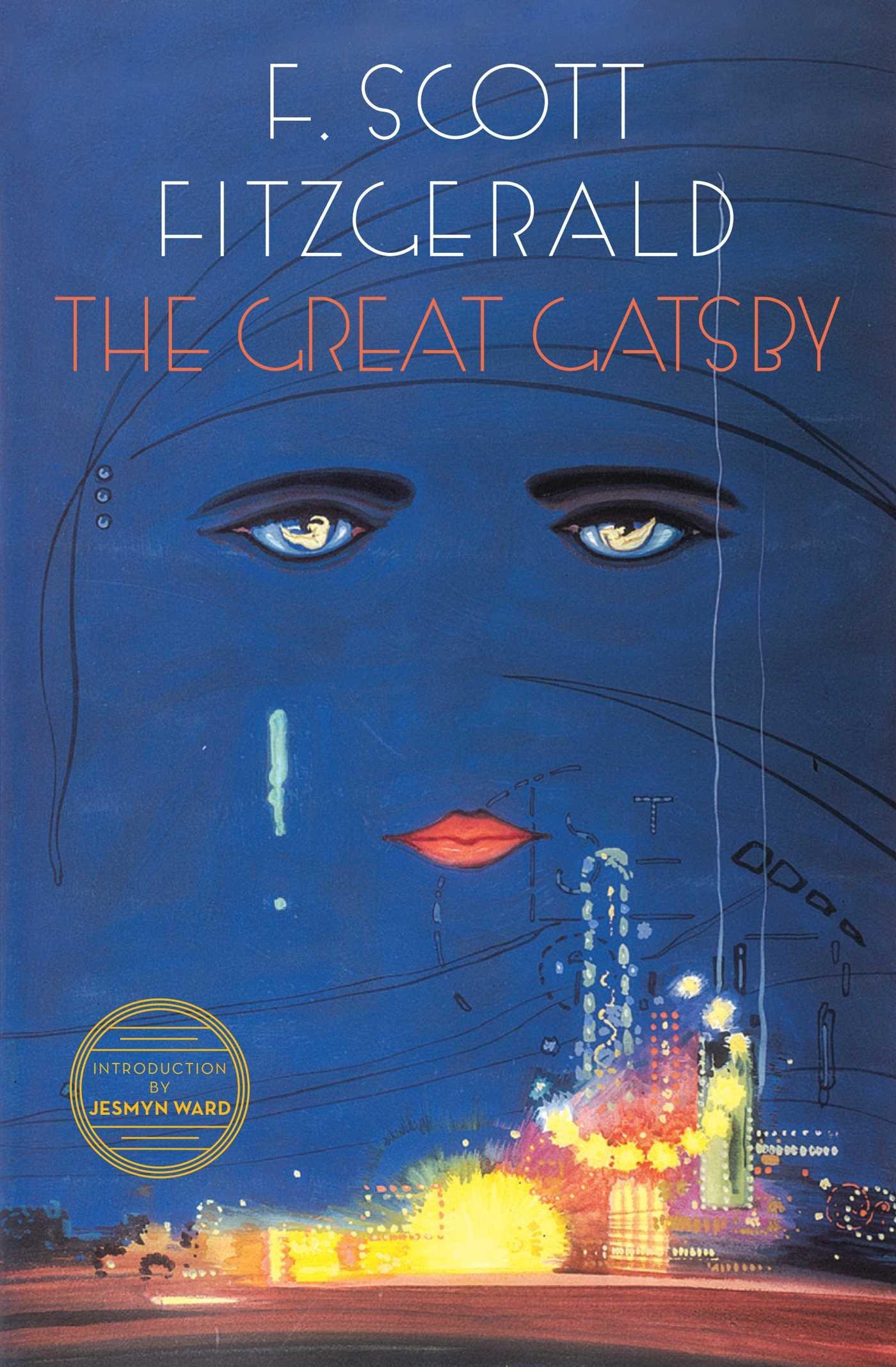
The Great Gatsby
7

The Great Gatsby

by F. Scott Fitzgerald

3.9(700k)

F. Scott Fitzgerald's slim, gorgeous novel about Jay Gatsby's obsessive pursuit of Daisy Buchanan is one of the great American stories about wanting something so badly it destroys you. That makes it an interesting companion to The Alchemist, because where Coelho's message is that following your dream leads to fulfillment, Fitzgerald asks a harder question: what if the dream itself is the problem? Gatsby follows his Personal Legend with everything he has. He reinvents himself, amasses a fortune, and throws legendary parties all to recapture something that was never really there. It's The Alchemist's shadow side. Both books are short, beautifully written, and obsessed with the gap between who we are and who we want to become. Reading Gatsby after The Alchemist adds a layer of complexity to Coelho's optimism that makes both books richer. Not every treasure at the end of the journey is real.

Alternate covers of this ISBN can be found here, here and here. James L. W. West III to include the author’s final revisions and features a note on the composition and text, a personal foreword by Fitzgerald’s granddaughter, Eleanor Lanahan—and a new introduction by two-time National Book Award winner Jesmyn Ward. The Great Gatsby, F. Scott Fitzgerald’s third book, stands as the supreme achievement of his career. First published in 1925, this quintessential novel of the Jazz Age has been acclaimed by generations of readers. The story of the mysteriously wealthy Jay Gatsby and his love for the beautiful Daisy Buchanan, of lavish parties on Long Island at a time when The New York Times noted “gin was the national drink and sex the national obsession,” it is an exquisitely crafted tale of America in the 1920s.

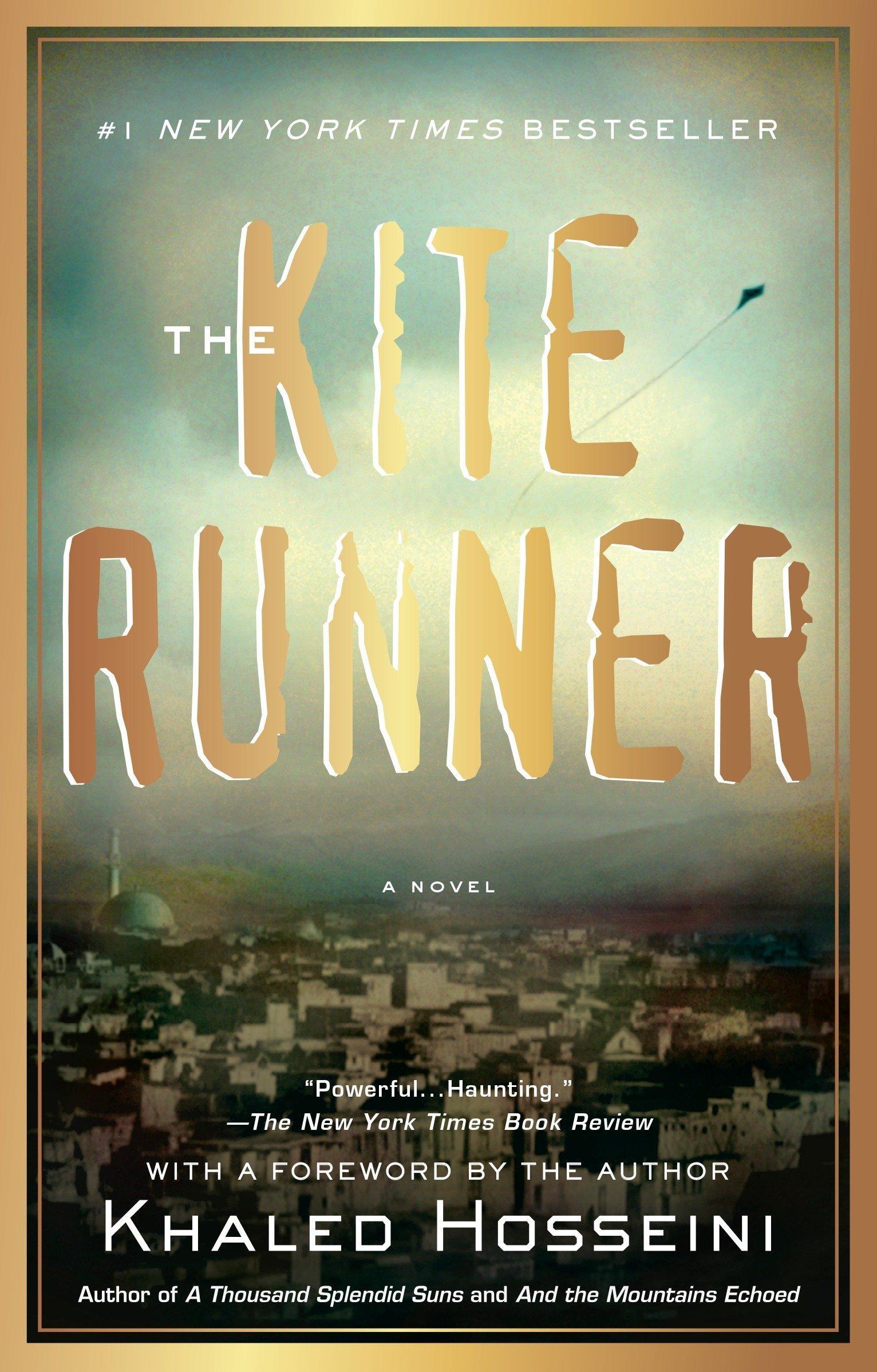
The Kite Runner
8

The Kite Runner

by Khaled Hosseini

4.5(304k)

Khaled Hosseini's debut novel follows Amir from the streets of Kabul to America and back again, on a journey of guilt, redemption, and the terrifying courage it takes to face the worst thing you've ever done. It's a redemption story at its core, and that's exactly what connects it to The Alchemist. Santiago's journey is about finding something. Amir's is about going back to fix something. But both are stories about crossing borders, both literal and internal, to become the person you were meant to be. Hosseini writes with an emotional intensity that Coelho deliberately avoids, so expect to cry, but the underlying architecture is remarkably similar. A young man. A journey that takes him far from home. A personal reckoning that changes everything. If you liked The Alchemist's emphasis on destiny and the courage it takes to fulfill it, The Kite Runner shows you what that looks like when the stakes are painfully real.

The unforgettable, heartbreaking story of the unlikely friendship between a wealthy boy and the son of his father's servant, The Kite Runner is a beautifully crafted novel set in a country that is in the process of being destroyed. It is about the power of reading, the price of betrayal, and the possibility of redemption; and an exploration of the power of fathers over sons—their love, their sacrifices, their lies. A sweeping story of family, love, and friendship told against the devastating backdrop of the history of Afghanistan over the last thirty years, The Kite Runner is an unusual and powerful novel that has become a beloved, one-of-a-kind classic. The 10th anniversary edition of the New York Times bestseller and international classic loved by millions of readers.

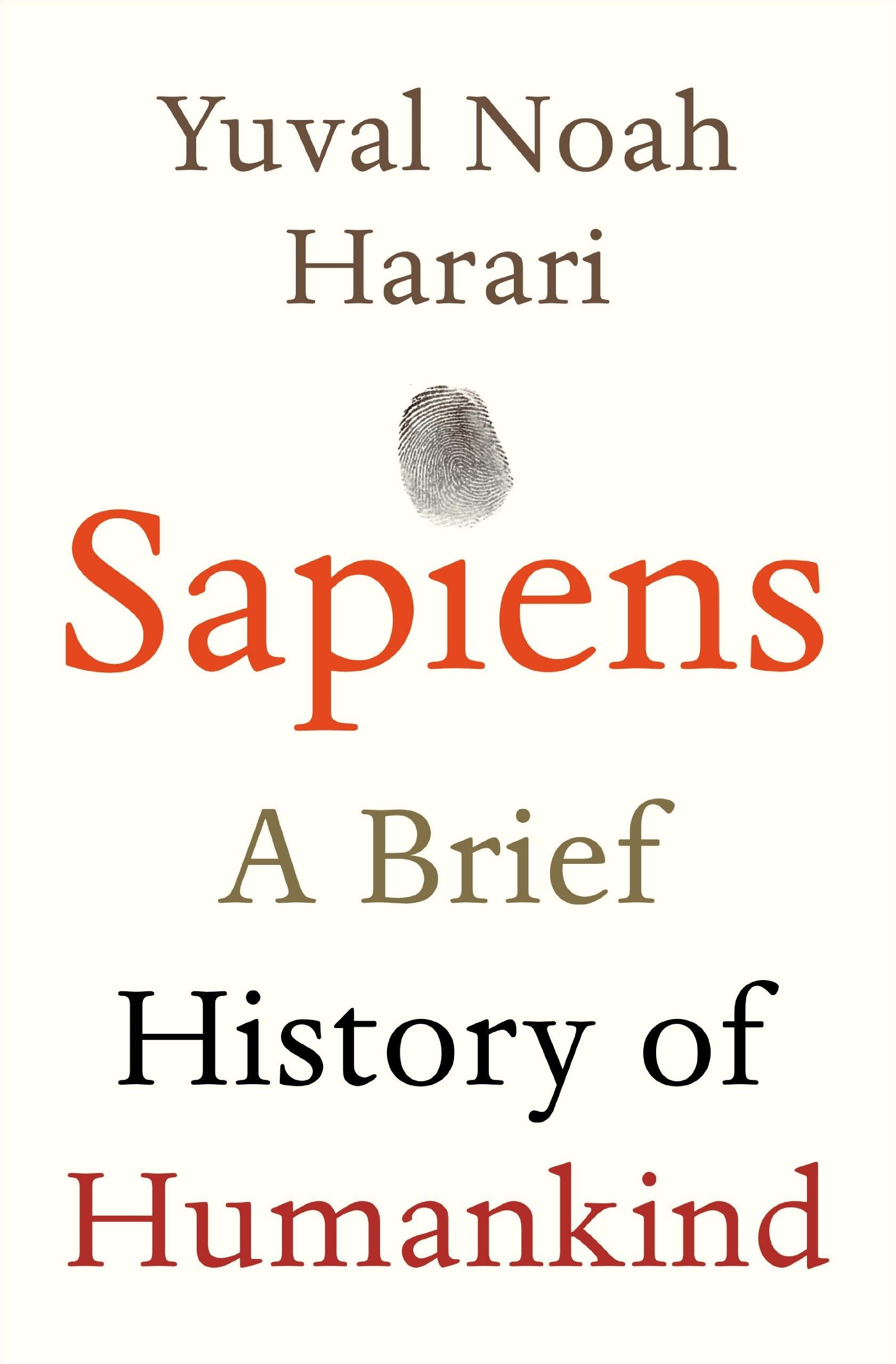
Sapiens: A Brief History of Humankind
9

Sapiens: A Brief History of Humankind

by Yuval Noah Harari

4.3(1170k)

Yuval Noah Harari's history of the human species might be the most unexpected entry on a list of books like The Alchemist, but it belongs here. One of the things that makes Coelho's novel so powerful is how it makes you zoom out and see your life as part of something larger. Harari does the same thing, except he zooms out to the scale of 70,000 years of human history. He questions everything you take for granted about money, religion, happiness, and progress, the same way The Alchemist questions everything you take for granted about success, comfort, and purpose. Both books leave you feeling simultaneously smaller and more significant. Sapiens won't give you the warm spiritual glow of The Alchemist, but it will give you that same vertigo of suddenly seeing the world from a completely different angle. If Coelho made you question your individual path, Harari will make you question the path of the entire species.

From a renowned historian comes a groundbreaking narrative of humanity’s creation and evolution—a #1 international bestseller—that explores the ways in which biology and history have defined us and enhanced our understanding of what it means to be “human.” One hundred thousand years ago, at least six different species of humans inhabited Earth. Yet today there is only one—homo sapiens. What happened to the others? And what may happen to us? Most books about the history of humanity pursue either a historical or a biological approach, but Dr. Yuval Noah Harari breaks the mold with this highly original book that begins about 70,000 years ago with the appearance of modern cognition. From examining the role evolving humans have played in the global ecosystem to charting the rise of empires, Sapiens integrates history and science to reconsider accepted narratives, connect past developments with contemporary concerns, and examine specific events within the context of larger ideas. Dr. Harari also compels us to look ahead, because over the last few decades humans have begun to bend laws of natural selection that have governed life for the past four billion years. We are acquiring the ability to design not only the world around us, but also ourselves. Where is this leading us, and what do we want to become? Featuring 27 photographs, 6 maps, and 25 illustrations/diagrams, this provocative and insightful work is sure to spark debate and is essential reading for aficionados of Jared Diamond, James Gleick, Matt Ridley, Robert Wright, and Sharon Moalem.

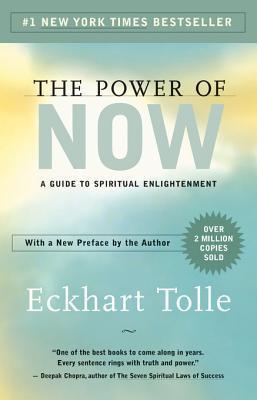
The Power of Now: A Guide to Spiritual Enlightenment
10

The Power of Now: A Guide to Spiritual Enlightenment

by Eckhart Tolle

4.2(421k)

If The Alchemist is the gateway drug to spiritual seeking, The Power of Now is what a lot of readers graduate to next. Eckhart Tolle's central argument is that almost all human suffering comes from living in the past or the future instead of the present moment. Santiago learns this lesson organically over the course of his journey, discovering that the treasure is in the seeking itself, that each moment of his adventure holds its own richness. Tolle makes the same point directly and systematically. His writing has that same quality of accessible profundity that Coelho is famous for. Sentences that sound almost too simple until they rearrange something inside your head. For readers who felt The Alchemist open a door to spiritual inquiry but wanted to walk further through it, Tolle is the natural next step. Both books share a conviction that peace and purpose aren't things you chase. They're things you uncover.

Alternate cover edition of ISBN 9781577314806. To make the journey into the Now we will need to leave our analytical mind and its false created self, the ego, behind. From the very first page of Eckhart Tolle's extraordinary book, we move rapidly into a significantly higher altitude where we breathe a lighter air. We become connected to the indestructible essence of our Being, “The eternal, ever present One Life beyond the myriad forms of life that are subject to birth and death.” Although the journey is challenging, Eckhart Tolle uses simple language and an easy question-and-answer format to guide us. A word-of-mouth phenomenon since its first publication, The Power of Now is one of those rare books with the power to create an experience in readers, one that can radically change their lives for the better.

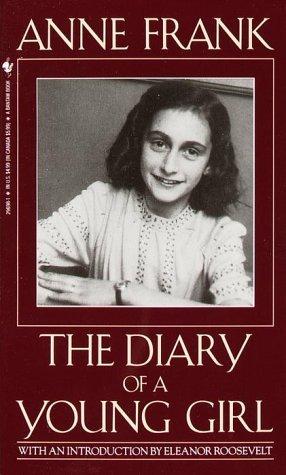
The Diary of a Young Girl
11

The Diary of a Young Girl

by Anne Frank

4.3(452k)

Anne Frank wrote her diary while hiding from the Nazis in a secret annex in Amsterdam, and what's astonishing about it is not the horror of her circumstances but the fierce, luminous humanity she maintained inside them. That's what connects her diary to The Alchemist. Coelho's message is that your Personal Legend persists no matter what the world throws at you. Anne Frank is living proof of that idea in its most extreme form. She dreams, plans, reflects on love and identity and the future, all while trapped in a situation that should have crushed every ounce of hope out of her. Her voice is sharp, funny, self-aware, and heartbreakingly young. If you liked The Alchemist's insistence that the human spirit can survive anything, Anne Frank's diary will show you that truth in a form no novelist could invent.

Anne Frank's extraordinary diary, written in the Amsterdam attic where she and her family hid from the Nazis for two years, has become a world classic and a timeless testament to the human spirit. Now, in a new edition enriched by many passages originally withheld by her father, we meet an Anne more real, more human, and more vital than ever. Here she is first and foremost a teenage girl—stubbornly honest, touchingly vulnerable, in love with life. She imparts her deeply secret world of soul-searching and hungering for affection, rebellious clashes with her mother, romance and newly discovered sexuality, and wry, candid observations of her companions. Facing hunger, fear of discovery and death, and the petty frustrations of such confined quarters, Anne writes with adult wisdom and views beyond her years. Her story is that of every teenager, lived out in conditions few teenagers have ever known.

The Four Agreements: A Practical Guide to Personal Freedom
12

The Four Agreements: A Practical Guide to Personal Freedom

by Miguel Ruiz

4.2(446k)

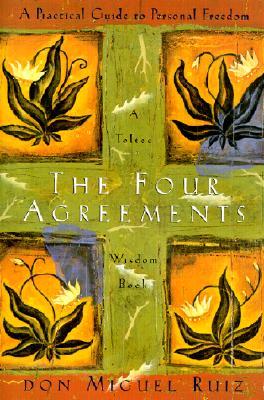
Don Miguel Ruiz draws on ancient Toltec wisdom to outline four principles for living a free and authentic life: be impeccable with your word, don't take anything personally, don't make assumptions, and always do your best. It reads like the spiritual guidebook Santiago might have carried in his satchel. The overlap with The Alchemist is almost uncanny. Both books argue that most of our suffering comes from beliefs we absorbed without questioning them. Both frame personal freedom as something you achieve by stripping away what isn't true rather than adding more. Ruiz's writing has that same spare, fable-like quality that makes Coelho so accessible. Short chapters. Simple language. Ideas that sound obvious until you try to actually live them. If The Alchemist spoke to you spiritually but left you wanting a more concrete framework for applying its lessons, The Four Agreements delivers exactly that.

1

The Catcher in the Rye
13

The Catcher in the Rye

by J.D. Salinger

3.8(3779k)

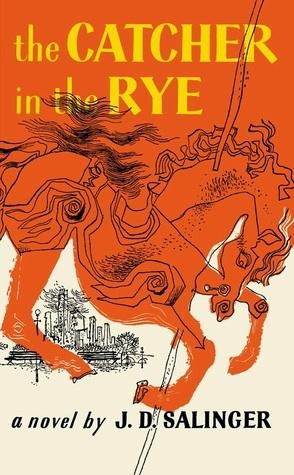
Holden Caulfield is Santiago's angry, confused, chain-smoking cousin. Where Santiago follows his dream with faith and patience, Holden wanders around New York City furious at a world full of phonies, desperately searching for something real without knowing what it is. They're both on quests for authenticity. They both feel fundamentally out of step with the lives they've been handed. The difference is that Santiago finds his answers and Holden doesn't, at least not within the pages of the novel. That's what makes Salinger's book such a fascinating read alongside The Alchemist. It's the same spiritual hunger expressed as frustration instead of faith. If you liked The Alchemist's portrayal of a young person who knows there must be more to life, Holden's story hits the same nerve from the opposite emotional direction. Sometimes the journey toward meaning starts with anger, not wonder.

It's Christmas time and Holden Caulfield has just been expelled from yet another school... Fleeing the crooks at Pencey Prep, he pinballs around New York City seeking solace in fleeting encounters—shooting the bull with strangers in dive hotels, wandering alone round Central Park, getting beaten up by pimps and cut down by erstwhile girlfriends. The city is beautiful and terrible, in all its neon loneliness and seedy glamour, its mingled sense of possibility and emptiness. Holden passes through it like a ghost, thinking always of his kid sister Phoebe, the only person who really understands him, and his determination to escape the phonies and find a life of true meaning. The Catcher in the Rye is an all-time classic in coming-of-age literature- an elegy to teenage alienation, capturing the deeply human need for connection and the bewildering sense of loss as we leave childhood behind. J.D. Salinger's (1919–2010) classic novel of teenage angst and rebellion was first published in 1951. The novel was included on Time's 2005 list of the 100 best English-language novels written since 1923. It was named by Modern Library and its readers as one of the 100 best English-language novels of the 20th century. It has been frequently challenged in the court for its liberal use of profanity and portrayal of sexuality and in the 1950's and 60's it was the novel that every teenage boy wants to read.

Rich Dad Poor Dad: What the Rich Teach Their Kids About Money—That the Poor and Middle Class Do Not!
14

Rich Dad Poor Dad: What the Rich Teach Their Kids About Money—That the Poor and Middle Class Do Not!

by Robert T. Kiyosaki

4.1(659k)

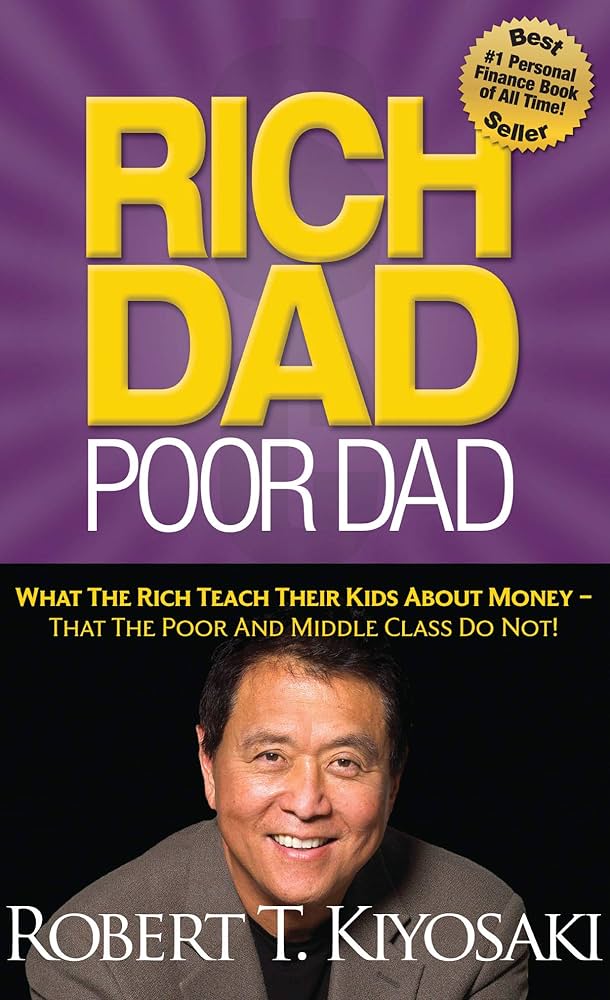
Robert Kiyosaki's personal finance classic is built on the same structural foundation as The Alchemist: a young person receives unconventional wisdom from a mentor figure, and that wisdom completely rewires how they see the world. In Kiyosaki's case, the mentors are his two fathers, one who followed the conventional path and one who thought completely differently about money, work, and freedom. The parallels to The Alchemist's themes are surprisingly strong. Both books argue that the default path society lays out for you is a trap. Both say that real wisdom comes from questioning what everyone else accepts as obvious. Kiyosaki's focus is financial rather than spiritual, but the underlying philosophy is the same: stop following someone else's script and start writing your own. If The Alchemist made you rethink your purpose, Rich Dad Poor Dad might make you rethink your relationship with money along the same lines.

Rich Dad Poor Dad is Robert's story of growing up with two dads — his real father and the father of his best friend, his "rich dad" — and the ways in which both men shaped his thoughts about money and investing. The book explodes the myth that you need to earn a high income to be rich and explains the difference between working for money and having your money work for you.

Steve Jobs
15

Steve Jobs

by Walter Isaacson

4.2(1358k)

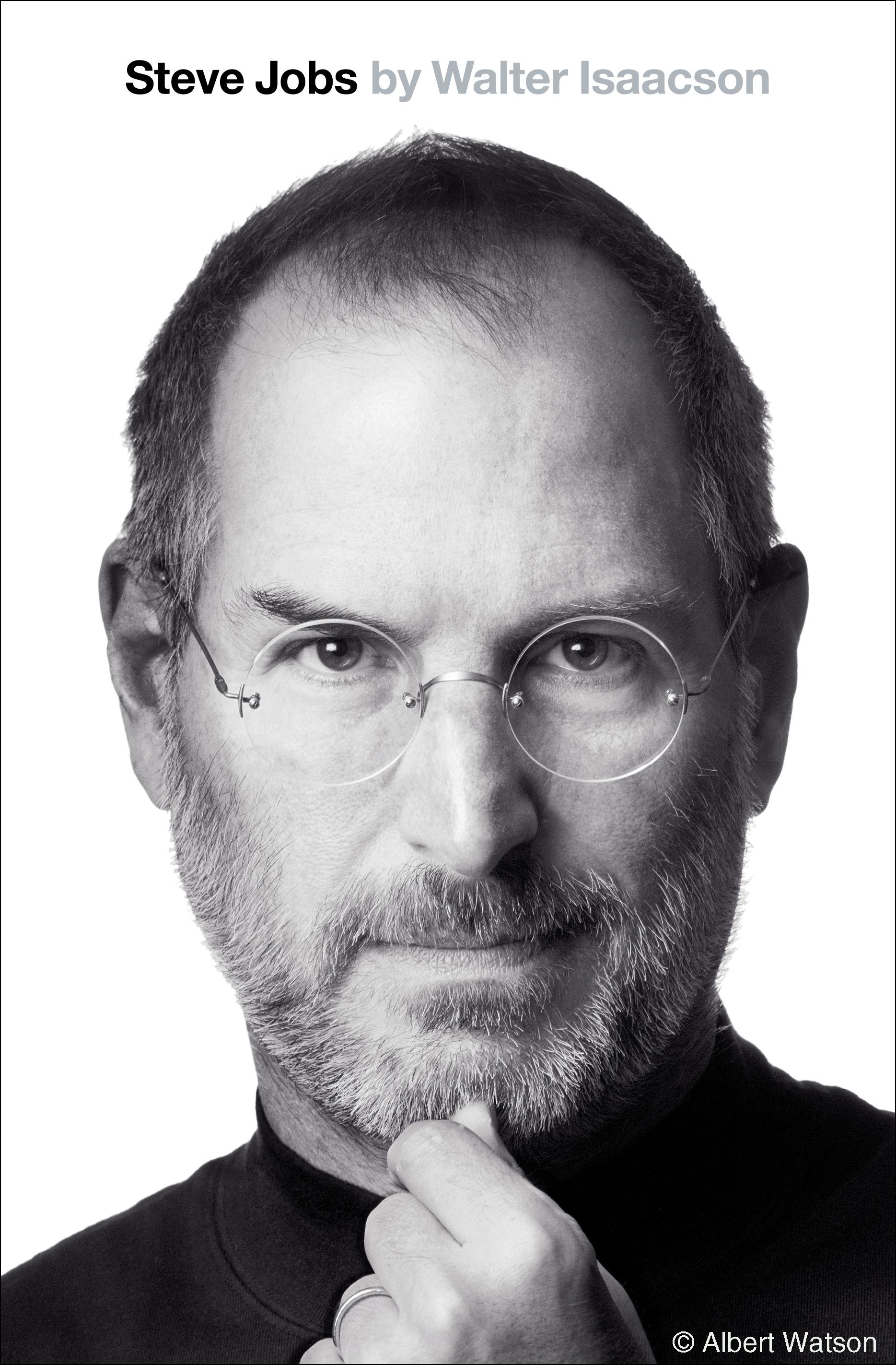
Walter Isaacson's biography of Apple's cofounder reads like a real-world version of The Alchemist's core message. Steve Jobs was a man who followed his Personal Legend with a ferocity that bordered on obsession. He dropped out of college, traveled to India seeking spiritual insight, and built one of the most valuable companies in history by refusing to accept that things had to be done the way they'd always been done. The parallels to Santiago's journey are striking. Jobs faced setback after setback, got thrown out of his own company, and still kept pursuing his vision. He also had a deep interest in Eastern philosophy and spirituality, the same currents that run through The Alchemist. Isaacson's biography doesn't sugarcoat the cost of that relentless pursuit, and that honesty makes it a valuable companion to Coelho's more idealistic take. If you liked The Alchemist's message about following your dream no matter what, this book shows you what that actually looks like over a lifetime. The beauty, the brilliance, and the wreckage too.

Walter Isaacson's worldwide bestselling biography of Apple cofounder Steve Jobs. Based on more than forty interviews with Steve Jobs conducted over two years--as well as interviews with more than 100 family members, friends, adversaries, competitors, and colleagues--Walter Isaacson has written a riveting story of the roller-coaster life and searingly intense personality of a creative entrepreneur whose passion for perfection and ferocious drive revolutionized six industries: personal computers, animated movies, music, phones, tablet computing, and digital publishing. Isaacson's portrait touched millions of readers. At a time when America is seeking ways to sustain its innovative edge, Jobs stands as the ultimate icon of inventiveness and applied imagination. He knew that the best way to create value in the twenty-first century was to connect creativity with technology. He built a company where leaps of the imagination were combined with remarkable feats of engineering. Although Jobs cooperated with the author, he asked for no control over what was written. He put nothing off-limits. He encouraged the people he knew to speak honestly. He himself spoke candidly about the people he worked with and competed against. His friends, foes, and colleagues offer an unvarnished view of the passions, perfectionism, obsessions, artistry, devilry, and compulsion for control that shaped his approach to business and the innovative products that resulted. His tale is instructive and cautionary, filled with lessons about innovation, character, leadership, and values. Steve Jobs is the inspiration for the movie of the same name starring Michael Fassbender, Kate Winslet, Seth Rogen, and Jeff Daniels, directed by Danny Boyle with a screenplay by Aaron Sorkin.

If The Alchemist taught you anything, it's that the treasure was never really about the treasure. It was about becoming the kind of person who could find it. Every book on this list works in a similar way. They don't just tell you something. They change how you see things. Whether it's a fable about a little prince on an asteroid, a biography about a tech visionary who refused to compromise, or a slim novel about chasing green lights across the bay, these books all share that same transformative quality that made Coelho's novel impossible to forget.

If you're looking for more books similar to The Alchemist, start with whatever title on this list pulled at you the hardest. Trust that instinct. Santiago would tell you the same thing. The universe has a way of putting the right book in your hands at exactly the right moment, and the fact that you're here searching says you're ready for whatever comes next.

Never Miss a Free Kindle Book

We track thousands of Kindle books daily and alert you when they drop to free. Join 50,000+ readers getting the best deals.

Sign Up Free

Prefer free books on the go?

The Free Books for Kindle app gives you daily free book alerts, genre filtering, push notifications and zero ads.

Get the App