The Picture of Dorian Gray
by Oscar Wilde
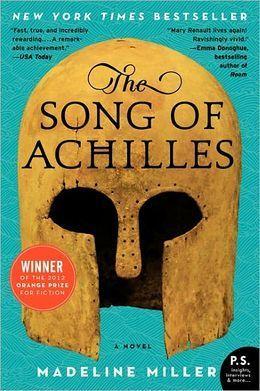
Oscar Wilde's only novel shares Song of Achilles' interest in beauty, mortality, and the cost of living outside ordinary human boundaries. Dorian, like Achilles, is gifted with an extraordinary physical perfection that sets him apart from other people, and both characters discover that exceptionalism extracts a terrible price. Wilde writes desire between men with the same unapologetic clarity that Miller brings to Patroclus and Achilles, though Wilde must work within the constraints of Victorian publishing. The novel's central metaphor, a portrait that absorbs the damage of a corrupt life, functions like Thetis' prophecy: it makes the consequences of choices visible and inescapable. Wilde's prose is gorgeous, epigrammatic, and endlessly quotable, offering a different kind of literary pleasure than Miller's but an equally intense one. For readers who loved Song of Achilles' marriage of beauty and tragedy, Dorian Gray is its dark, witty, century-old ancestor.
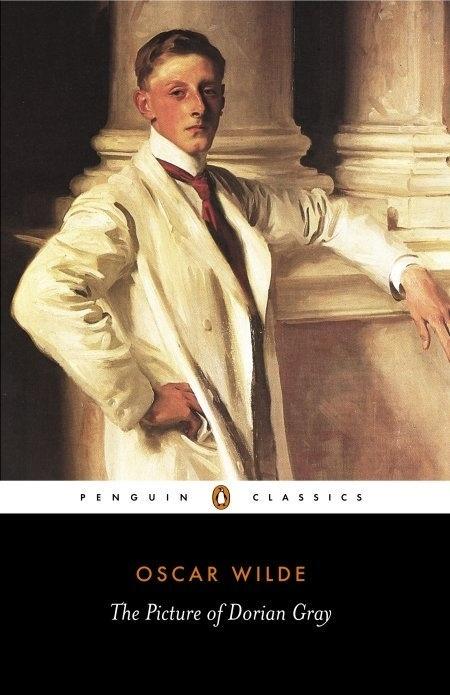
'The horror, whatever it was, had not yet entirely spoiled that marvellous beauty' Enthralled by his own exquisite portrait, Dorian Gray exchanges his soul for eternal youth and beauty. Influenced by his friend Lord Henry Wotton, he is drawn into a corrupt double life, indulging his desires in secret while remaining a gentleman in the eyes of polite society. Only his portrait bears the traces of his decadence. The Picture of Dorian Gray was a succès de scandale. Early readers were shocked by its hints at unspeakable sins, and the book was later used as evidence against Wilde at the Old Bailey in 1895. This definitive edition includes a selection of contemporary reviews condemning the novel's immorality, and the introduction to the first Penguin Classics edition by Peter Ackroyd.
View on Amazon