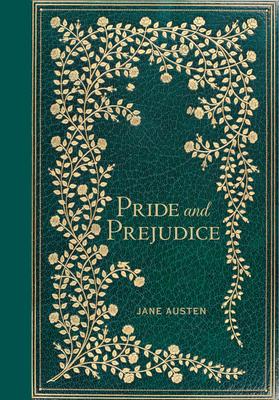
Pride and Prejudice

15 Books Like Pride and Prejudice by Jane Austen

by Jane Austen

4.3(5049k)

Jane Austen published Pride and Prejudice in 1813 and somehow wrote the blueprint for every enemies-to-lovers romance that followed. Elizabeth Bennet is funny, sharp, and completely unwilling to marry for anything less than genuine respect and love. Mr. Darcy is proud, awkward, and quietly besotted. Together they gave us one of the most satisfying slow-burn romances in literary history, wrapped in biting social commentary about class, money, and the marriage market of Regency England.

What makes Pride and Prejudice so endlessly re-readable is the way Austen balances romance with real substance. She skewers the social climbing, the entailments, the absurd pressure on women to secure a "good match" while letting her heroine hold her ground against all of it. The wit is razor-sharp. The dialogue crackles. And underneath the drawing-room comedy, there is a genuinely moving story about two people learning to see past their own assumptions.

If you have just finished Pride and Prejudice and feel that particular book hangover where nothing else seems good enough, you are not alone. Millions of readers have chased that same high. The good news is that the qualities that make Austen's masterpiece so special (smart heroines, social satire, romance that earns its happy ending, prose with real bite) show up in plenty of other books across genres and centuries.

Below are 15 books similar to Pride and Prejudice that scratch different parts of that itch. Some match the period setting and marriage politics. Others capture the wit or the class commentary. A few might surprise you. All of them share DNA with Austen's most beloved novel, and any one of them is worth picking up next.

Jane Eyre
1

Jane Eyre

by Charlotte Brontë

4.2(2214k)

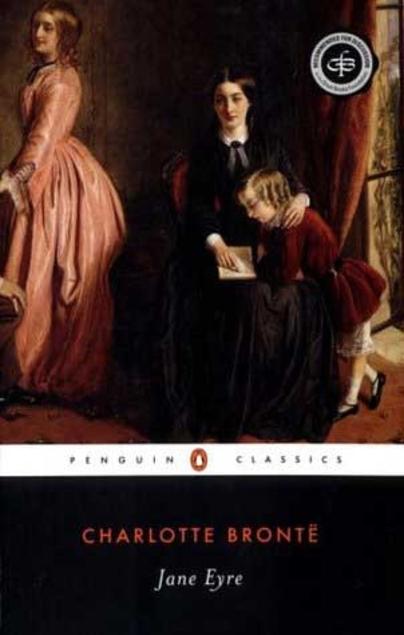
If you loved Pride and Prejudice for the strong-willed heroine who refuses to compromise her principles for security, Jane Eyre is the most natural next read. Charlotte Brontë's Jane is cut from the same cloth as Elizabeth Bennet: fiercely independent, morally grounded, and completely unwilling to accept a love that diminishes her. The romance with Rochester has that same slow-burn tension, complicated by massive class differences and secrets that make Darcy's awkward first proposal look straightforward. Where Austen gives you sunlit drawing rooms, Brontë gives you windswept moors and a crumbling gothic mansion, but the emotional core is identical. Both novels are fundamentally about a woman insisting on equality in a world that offers her none. Jane's famous declaration ("I am no bird; and no net ensnares me") could easily have come from Elizabeth Bennet's mouth, just with a bit more gothic flair.

Alternate editions can be found here and here. A gothic masterpiece of tempestuous passions and dark secrets, Charlotte Brontë's Jane Eyre is edited with an introduction and notes by Stevie Davis in Penguin Classics. Charlotte Brontë tells the story of orphaned Jane Eyre, who grows up in the home of her heartless aunt, enduring loneliness and cruelty. This troubled childhood strengthens Jane's natural independence and spirit - which prove necessary when she finds employment as a governess to the young ward of Byronic, brooding Mr Rochester. As her feelings for Rochester develop, Jane gradually uncovers Thornfield Hall's terrible secret, forcing her to make a choice. Should she stay with Rochester and live with the consequences, or follow her convictions - even if it means leaving the man she loves? A novel of intense power and intrigue, Jane Eyre dazzled readers with its passionate depiction of a woman's search for equality and freedom.
Little Women
2

Little Women

by Louisa May Alcott

4.2(2355k)

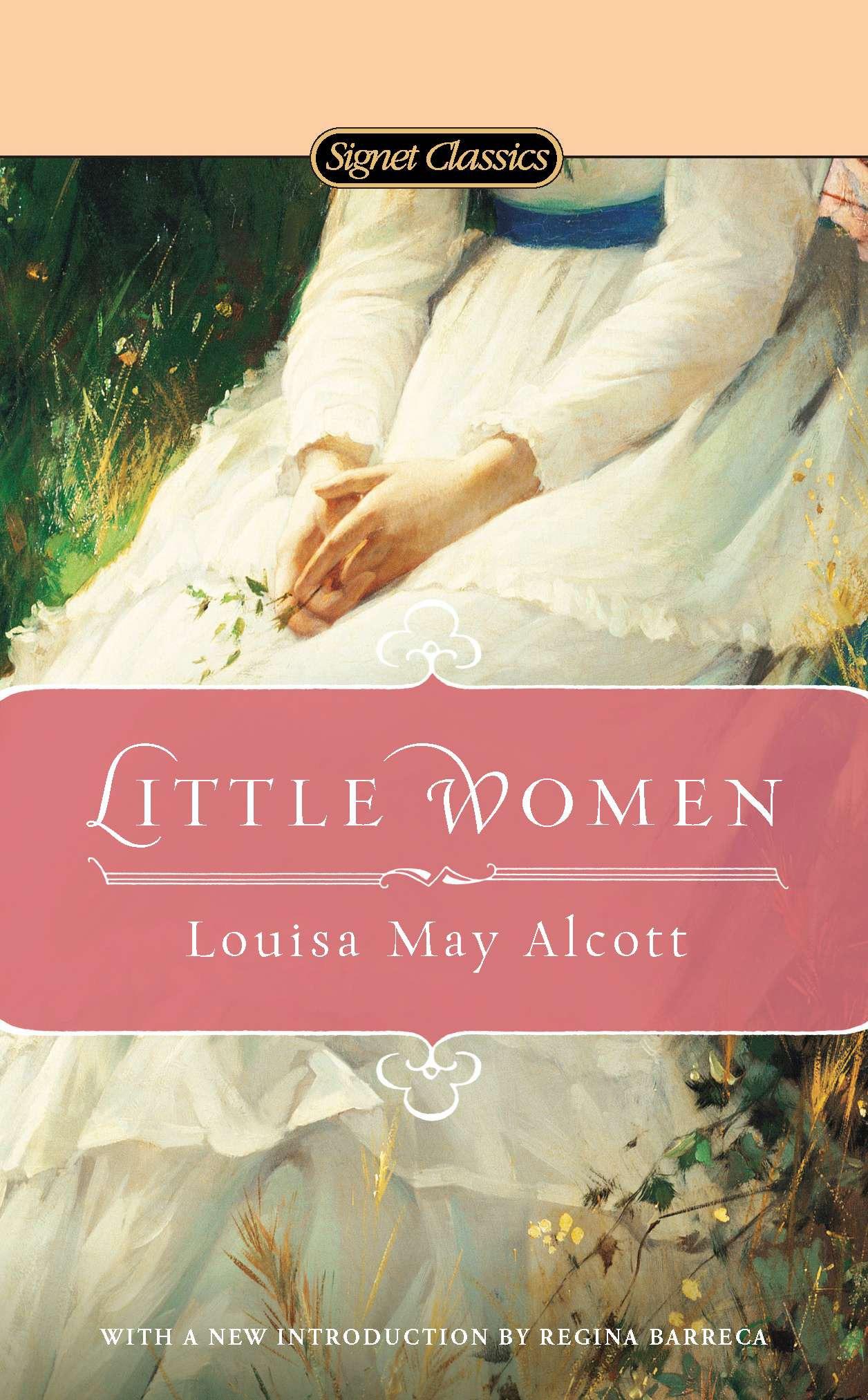
Louisa May Alcott's March sisters face the same central tension that drives Pride and Prejudice: how does a woman build a meaningful life when society keeps pushing her toward marriage as the only acceptable outcome? Jo March is the obvious Elizabeth Bennet parallel, stubborn and brilliant and completely uninterested in fitting the mold her era demands. The family dynamics are warm and complicated in the same way the Bennet household is, full of sisters with wildly different temperaments navigating the same pressures. Alcott writes the period setting with real affection but never lets you forget how limited women's choices actually were. The book wrestles honestly with whether love and independence can coexist, which is exactly the question Austen spent six chapters and one disastrous proposal answering. If you liked Pride and Prejudice for the sisterhood as much as the romance, Little Women delivers that in abundance.

Generations of readers young and old, male and female, have fallen in love with the March sisters of Louisa May Alcott’s most popular and enduring novel, Little Women. Here are talented tomboy and author-to-be Jo, tragically frail Beth, beautiful Meg, and romantic, spoiled Amy, united in their devotion to each other and their struggles to survive in New England during the Civil War. It is no secret that Alcott based Little Women on her own early life. While her father, the freethinking reformer and abolitionist Bronson Alcott, hobnobbed with such eminent male authors as Emerson, Thoreau, and Hawthorne, Louisa supported herself and her sisters with "woman’s work,” including sewing, doing laundry, and acting as a domestic servant. But she soon discovered she could make more money writing. Little Women brought her lasting fame and fortune, and far from being the "girl’s book” her publisher requested, it explores such timeless themes as love and death, war and peace, the conflict between personal ambition and family responsibilities, and the clash of cultures between Europe and America. Note: This is an alternate cover edition of ISBN 9780451529305.

The Great Gatsby
3

The Great Gatsby

by F. Scott Fitzgerald

3.9(700k)

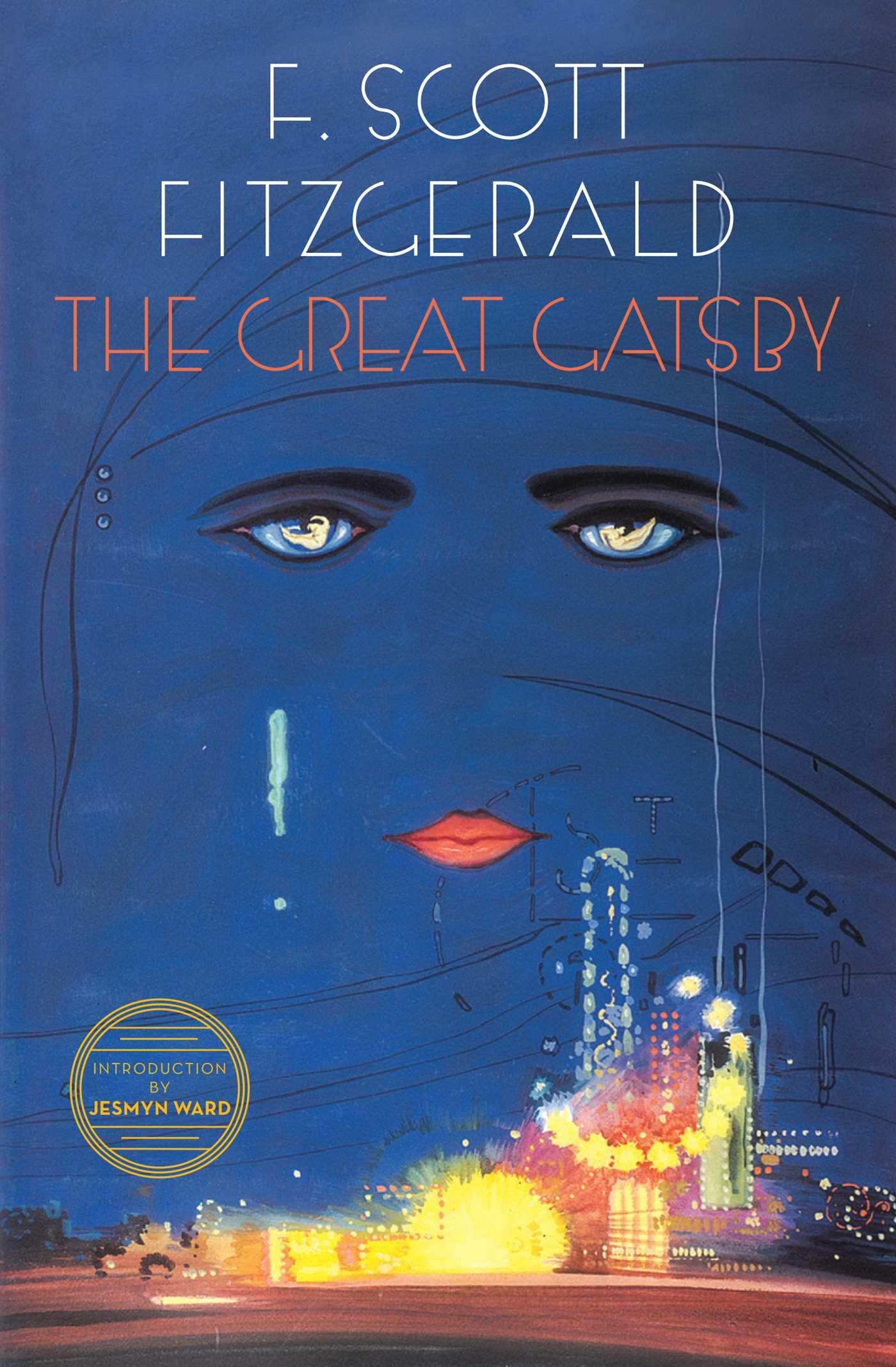
This might seem like an odd pick for readers looking for books similar to Pride and Prejudice, but Fitzgerald and Austen are doing remarkably similar work beneath the surface. Both novels are obsessed with class, wealth, and who gets to belong where. Gatsby's desperate reinvention to win Daisy mirrors the way Austen's characters perform and posture to climb the social ladder, just transplanted to Jazz Age Long Island. The prose styles could not be more different, but the social observation is equally precise and equally merciless. Where Austen lets Elizabeth and Darcy bridge the class divide, Fitzgerald shows what happens when that bridge collapses under the weight of old money's contempt. It is a darker, more tragic take on the same themes, and it hits harder for the contrast. Readers who love the class commentary in Pride and Prejudice will find Gatsby a fascinating, devastating mirror image.

Alternate covers of this ISBN can be found here, here and here. James L. W. West III to include the author’s final revisions and features a note on the composition and text, a personal foreword by Fitzgerald’s granddaughter, Eleanor Lanahan—and a new introduction by two-time National Book Award winner Jesmyn Ward. The Great Gatsby, F. Scott Fitzgerald’s third book, stands as the supreme achievement of his career. First published in 1925, this quintessential novel of the Jazz Age has been acclaimed by generations of readers. The story of the mysteriously wealthy Jay Gatsby and his love for the beautiful Daisy Buchanan, of lavish parties on Long Island at a time when The New York Times noted “gin was the national drink and sex the national obsession,” it is an exquisitely crafted tale of America in the 1920s.

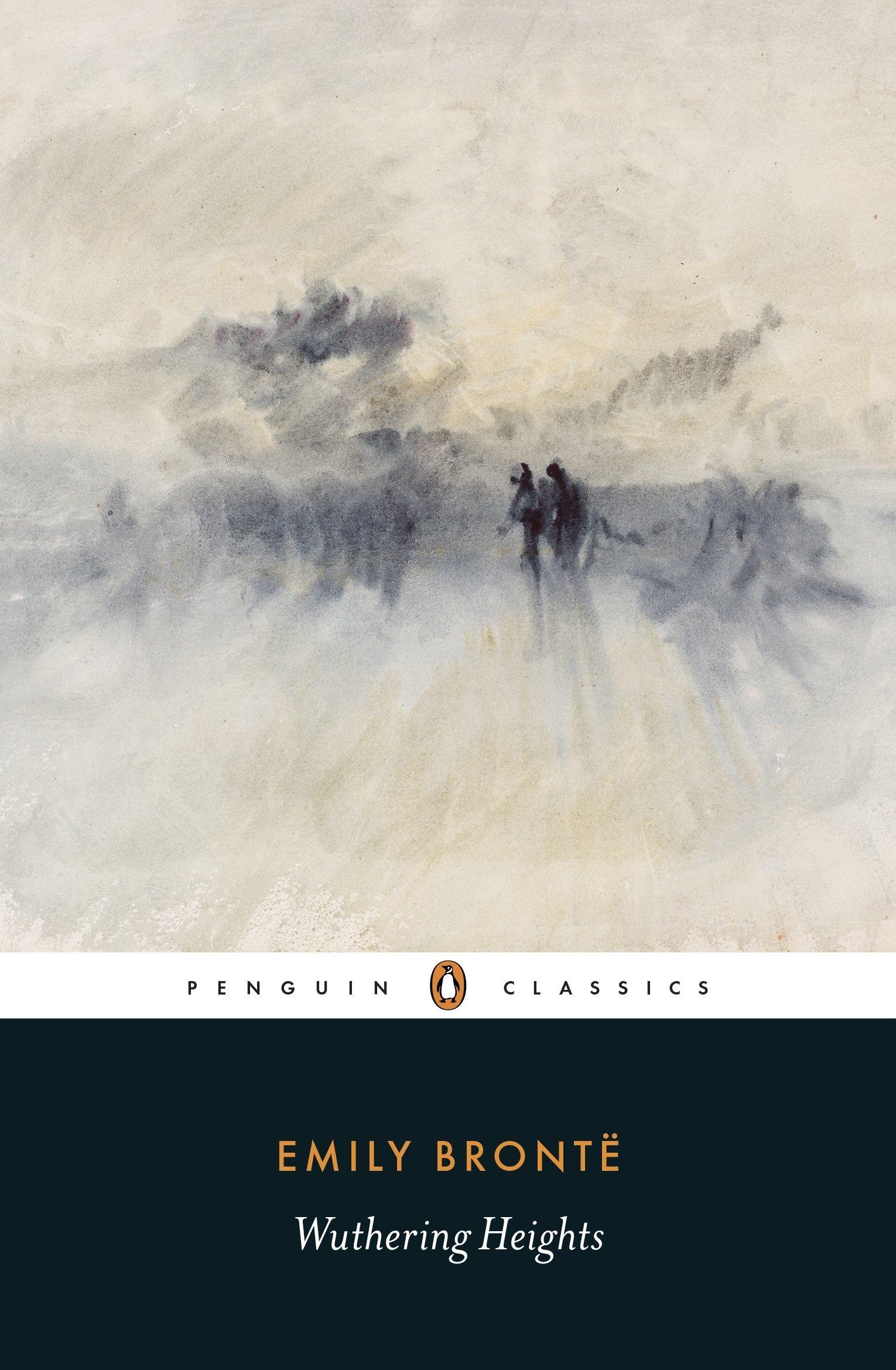
Wuthering Heights
4

Wuthering Heights

by Emily Brontë

3.9(285k)

Emily Brontë took everything restrained and civilized about Austen's romance and set it on fire. Where Elizabeth and Darcy learn to overcome pride and misunderstanding through rational reflection, Heathcliff and Catherine are consumed by a love so intense it destroys everyone around them. The class barriers are similar (Heathcliff is an outsider, looked down upon, burning with resentment) but the response to those barriers is violent rather than witty. This is the book for readers who loved the tension between Elizabeth and Darcy but wished it had sharper teeth. The Yorkshire moors setting feels like its own character, wild and unforgiving in a way that mirrors the central relationship perfectly. Wuthering Heights is not a comfortable read the way Pride and Prejudice often is, but it explores the same questions about love, class, and belonging with an intensity that has kept readers obsessed for nearly two centuries.

Emily Brontë's only novel endures as a work of tremendous and far-reaching influence. The Penguin Classics edition is the definitive version of the text, edited with an introduction by Pauline Nestor. Lockwood, the new tenant of Thrushcross Grange, situated on the bleak Yorkshire moors, is forced to seek shelter one night at Wuthering Heights, the home of his landlord. There he discovers the history of the tempestuous events that took place years before. What unfolds is the tale of the intense love between Heathcliff and Catherine Earnshaw. Catherine, forced to choose between passionate, tortured Heathcliff and gentle, well-bred Edgar Linton, surrenders to the expectations of her class. As Heathcliff's bitterness and vengeance at his betrayal is visited upon the next generation, their innocent heirs must struggle to escape the legacy of the past. In this edition, a new preface by Lucasta Miller, author of The Brontë Myth, looks at the ways in which the novel has been interpreted, from Charlotte Brontë onwards. This complements Pauline Nestor's introduction, which discusses changing critical receptions of the novel, as well as Emily Brontë's influences and background.

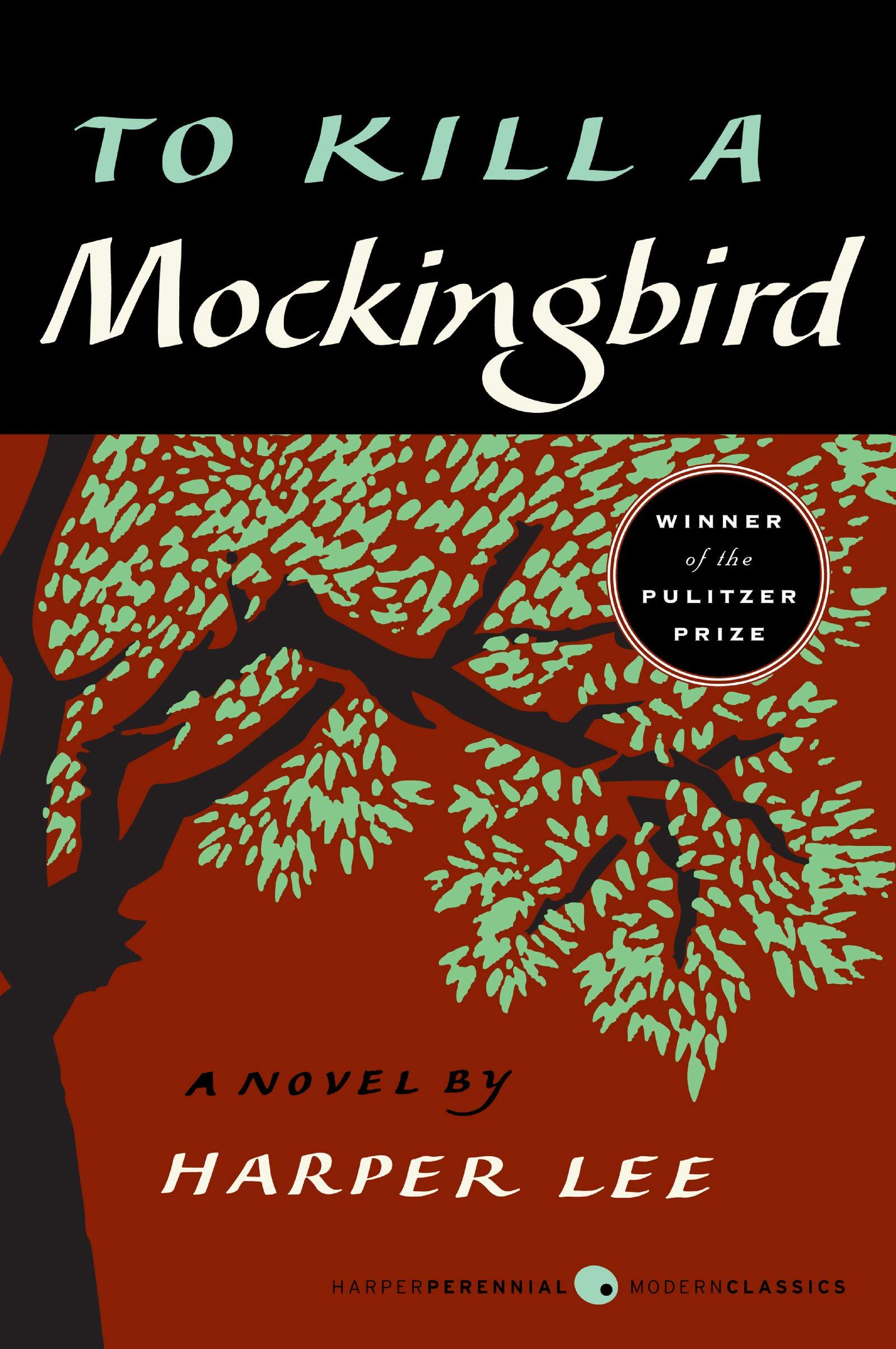
To Kill a Mockingbird
5

To Kill a Mockingbird

by Harper Lee

4.2(740k)

Harper Lee's novel shares Pride and Prejudice's deep concern with moral courage and the social structures that reward conformity over conscience. Scout Finch is a different kind of strong-willed heroine than Elizabeth Bennet, younger and less polished, but equally unwilling to accept injustice just because everyone around her does. Atticus Finch's quiet integrity in the face of an entire town's prejudice echoes the way Austen exposes the cruelty baked into "polite" society. Both books use a specific community (a small Alabama town, the landed gentry of Hertfordshire) to say something universal about human nature. The social commentary is more overtly political in Lee's hands, but the underlying argument is the same: prejudice is a poison, and seeing people clearly requires real effort. If the "prejudice" half of Austen's title resonated with you as much as the romance, this is essential reading.

One of the best-loved stories of all time, To Kill a Mockingbird has been translated into more than forty languages, sold more than forty million copies worldwide, served as the basis for an enormously popular motion picture, and was voted one of the best novels of the twentieth century by librarians across the country. A gripping, heart-wrenching, and wholly remarkable coming-of-age tale in a South poisoned by virulent prejudice, it views a world of great beauty and savage iniquities through the eyes of a young girl, as her father — a crusading local lawyer — risks everything to defend a black man unjustly accused of a terrible crime.

Get Notified When These Books Go Free

Join 50,000+ readers who get handpicked free and discounted Kindle books delivered to their inbox every day.

Sign Up Free
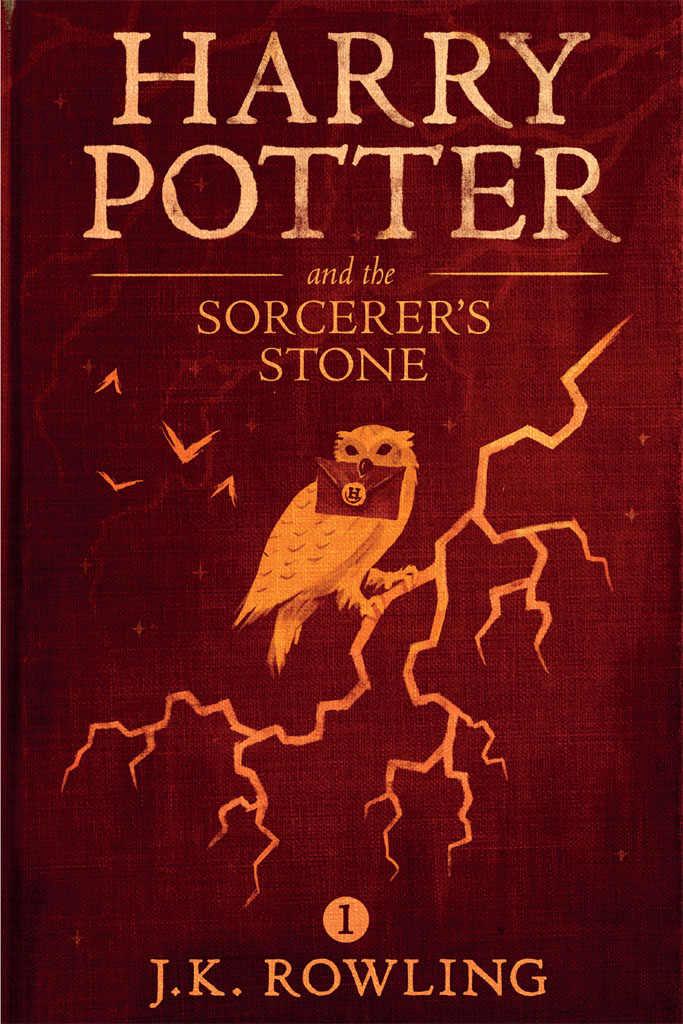
Harry Potter and the Philosopher's Stone
6

Harry Potter and the Philosopher's Stone

by J.K. Rowling

4.4(2287k)

This is a pick that has more in common with Pride and Prejudice than the genre gap suggests. Rowling builds a world with rigid social hierarchies (pure-bloods, half-bloods, Muggle-borns) that mirror the class obsessions Austen satirized. Harry, like Elizabeth, is an outsider who earns belonging through character rather than birth. The series is packed with the kind of warm, witty dialogue that makes Austen's novels so re-readable, and Rowling shares Austen's gift for making you love a huge cast of flawed, funny characters. The reading experience is similar too: both books create a world so complete and inviting that leaving it feels like a loss. If Pride and Prejudice is your comfort read, Harry Potter might be your comfort series for the same reasons. It is one of those rare books that rewards re-reading just as richly as the first time through.

An alternative cover for this ASIN can be found here "Turning the envelope over, his hand trembling, Harry saw a purple wax seal bearing a coat of arms; a lion, an eagle, a badger and a snake surrounding a large letter 'H'." Harry Potter has never even heard of Hogwarts when the letters start dropping on the doormat at number four, Privet Drive. Addressed in green ink on yellowish parchment with a purple seal, they are swiftly confiscated by his grisly aunt and uncle. Then, on Harry's eleventh birthday, a great beetle-eyed giant of a man called Rubeus Hagrid bursts in with some astonishing news: Harry Potter is a wizard, and he has a place at Hogwarts School of Witchcraft and Wizardry. An incredible adventure is about to begin!

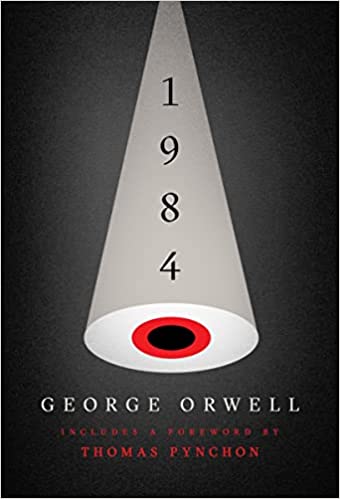
1984
7

1984

by George Orwell

4.2(1791k)

George Orwell's dystopia is a world where the social systems Austen satirized have been taken to their most terrifying extreme. Where Austen shows how society pressures individuals into conformity through gossip, reputation, and financial dependence, Orwell shows a state that has mechanized that control completely. The forbidden romance between Winston and Julia carries a desperate intensity that feels like a dark inversion of Elizabeth and Darcy's courtship. In both novels, the personal and political are inseparable: who you love and how you love is shaped by the system you live in. Orwell's prose is colder and more clinical than Austen's, but equally precise. This is a book for readers who loved the social criticism in Pride and Prejudice and want to see those ideas pushed to their bleakest logical conclusion. It stays with you long after you finish it.

A masterpiece of rebellion and imprisonment where war is peace freedom is slavery and Big Brother is watching. Thought Police, Big Brother, Orwellian - these words have entered our vocabulary because of George Orwell's classic dystopian novel 1984. The story of one man's Nightmare Odyssey as he pursues a forbidden love affair through a world ruled by warring states and a power structure that controls not only information but also individual thought and memory 1984 is a prophetic haunting tale More relevant than ever before 1984 exposes the worst crimes imaginable the destruction of truth freedom and individuality. With a foreword by Thomas Pynchon. This beautiful paperback edition features deckled edges and french flaps a perfect gift for any occasion Alternate cover edition can be found here.

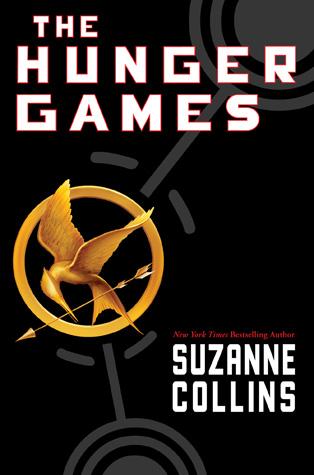
The Hunger Games
8

The Hunger Games

by Suzanne Collins

4.3(9924k)

Katniss Everdeen and Elizabeth Bennet occupy completely different worlds, but they share a core quality that makes both characters magnetic: they refuse to play by the rules of a system designed to use them. The social hierarchy in Panem is exaggerated and violent, but it runs on the same fuel as Austen's marriage market, keeping people in their assigned place through a combination of spectacle, fear, and economic dependence. Katniss, like Elizabeth, becomes dangerous not because she is trying to be revolutionary but because she insists on thinking for herself. The romance subplot with Peeta has that same will-they-won't-they tension, complicated by outside pressures and genuine uncertainty about each other's motives. Collins writes action where Austen writes conversation, but the strong female lead navigating impossible social expectations will feel instantly familiar to Pride and Prejudice fans.

Winning means fame and fortune. Losing means certain death. The Hunger Games have begun. . . . In the ruins of a place once known as North America lies the nation of Panem, a shining Capitol surrounded by twelve outlying districts. The Capitol is harsh and cruel and keeps the districts in line by forcing them all to send one boy and one girl between the ages of twelve and eighteen to participate in the annual Hunger Games, a fight to the death on live TV. Sixteen-year-old Katniss Everdeen regards it as a death sentence when she steps forward to take her sister's place in the Games. But Katniss has been close to dead before-and survival, for her, is second nature. Without really meaning to, she becomes a contender. But if she is to win, she will have to start making choices that weigh survival against humanity and life against love.

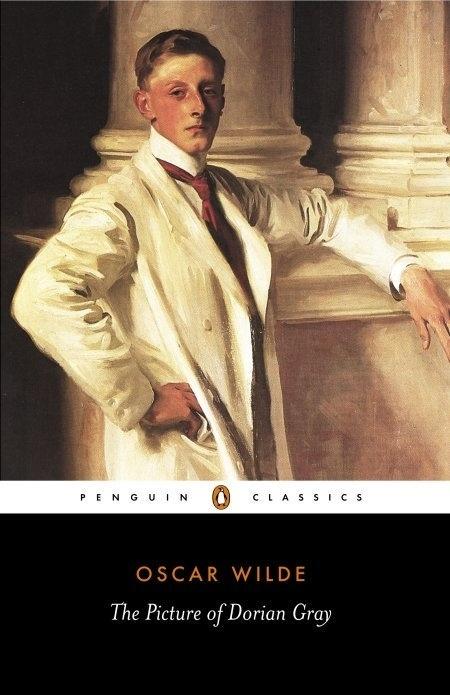
The Picture of Dorian Gray
9

The Picture of Dorian Gray

by Oscar Wilde

4.2(305k)

Oscar Wilde is the writer who comes closest to matching Austen's gift for devastating wit deployed against the hypocrisies of polite society. Lord Henry's drawing-room aphorisms are the dark, cynical cousins of Elizabeth Bennet's sharp observations, and both writers use humor to expose how absurd social conventions really are. The Victorian setting shares DNA with Austen's Regency world: the same obsession with appearances, reputation, and saying one thing while meaning another. Where Austen lets her characters grow and earn genuine happiness, Wilde shows what happens when vanity and surface beauty become the only values that matter. The morality tale at the novel's center asks questions Austen would recognize: what is a person actually worth, beneath the performance? If you liked Pride and Prejudice for the social satire and the razor-sharp dialogue, Dorian Gray is one of the few novels that operates at the same level.

'The horror, whatever it was, had not yet entirely spoiled that marvellous beauty' Enthralled by his own exquisite portrait, Dorian Gray exchanges his soul for eternal youth and beauty. Influenced by his friend Lord Henry Wotton, he is drawn into a corrupt double life, indulging his desires in secret while remaining a gentleman in the eyes of polite society. Only his portrait bears the traces of his decadence. The Picture of Dorian Gray was a succès de scandale. Early readers were shocked by its hints at unspeakable sins, and the book was later used as evidence against Wilde at the Old Bailey in 1895. This definitive edition includes a selection of contemporary reviews condemning the novel's immorality, and the introduction to the first Penguin Classics edition by Peter Ackroyd.

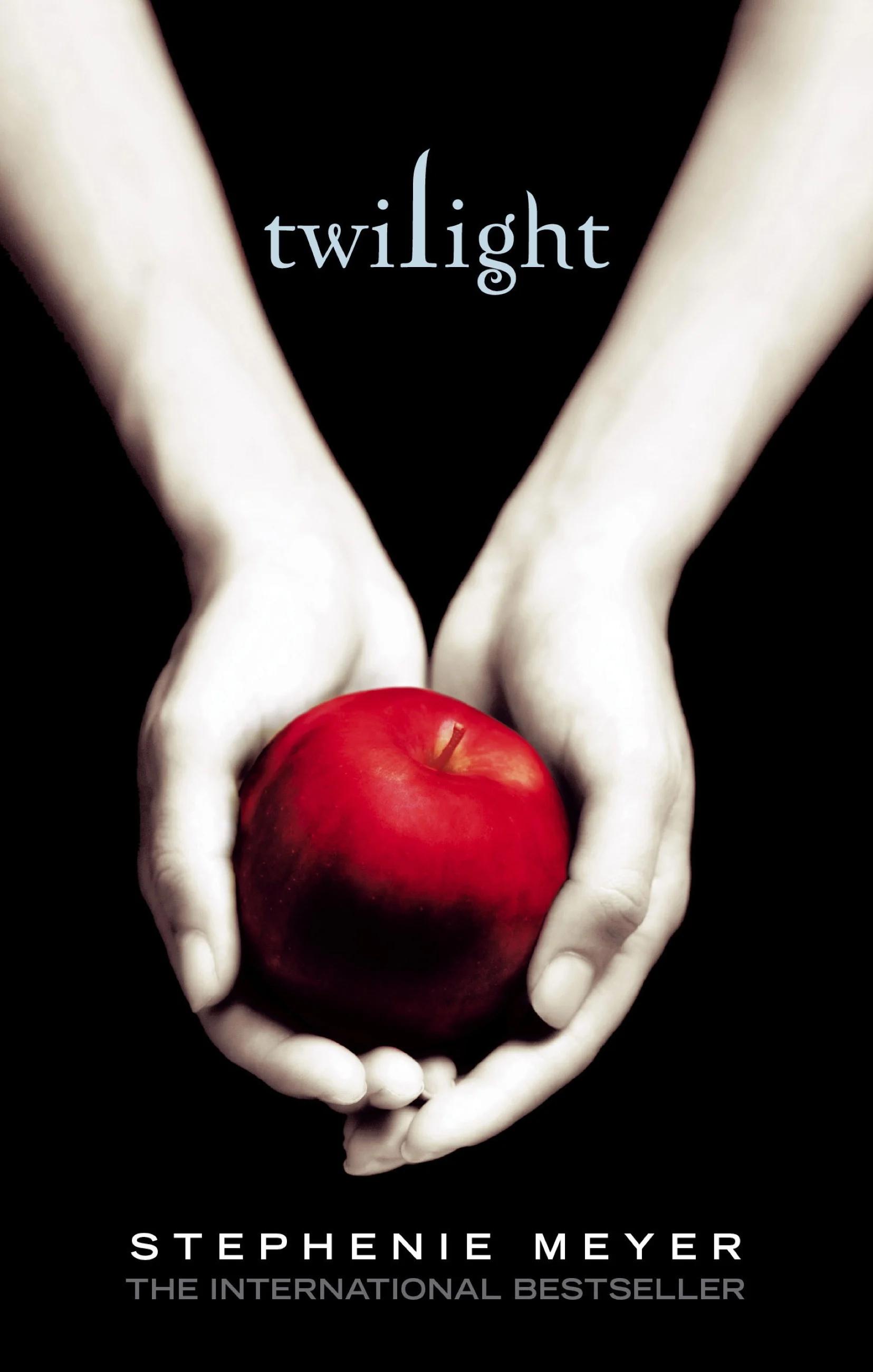
Twilight
10

Twilight

by Stephenie Meyer

3.7(7401k)

Before you scroll past this one, hear me out. The reason Twilight became a global phenomenon is that Stephenie Meyer tapped into the exact same romantic dynamic that made Pride and Prejudice immortal. Edward and Bella's relationship is built on intense attraction complicated by seemingly impossible barriers, which is the same engine that drives Elizabeth and Darcy's story. Edward, like Darcy, is brooding and withdrawn and fighting his own feelings. Bella, like Elizabeth, is drawn to someone she knows she probably should not want. The forbidden romance angle is amplified to a supernatural degree, but the emotional beats are pure Austen: misunderstanding, resistance, slow revelation of true character, and eventual surrender to genuine feeling. The prose style is worlds apart, and the power dynamics are more fraught, but for readers who loved the romantic tension in Pride and Prejudice, Twilight delivers that same addictive will-they-won't-they pull.

About three things I was absolutely positive. First, Edward was a vampire. Second, there was a part of him - and I didn't know how dominant that part might be - that thirsted for my blood. And third, I was unconditionally and irrevocably in love with him. Deeply seductive and extraordinarily suspenseful, Twilight is a love story with bite.

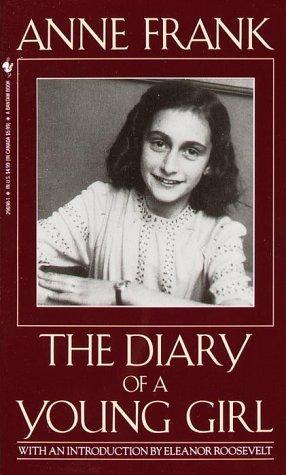
The Diary of a Young Girl
11

The Diary of a Young Girl

by Anne Frank

4.3(452k)

Anne Frank's diary is a very different kind of classic, but it shares with Pride and Prejudice something that is easy to overlook: a brilliantly specific personal voice that makes you feel you know the writer intimately. Anne is funny, opinionated, self-aware, and brutally honest about the people around her in a way that echoes Elizabeth Bennet's sharp eye for human folly. Both writers use confined domestic spaces (the Bennet household, the Secret Annex) as stages for observing how people behave under pressure. The historical significance of Anne's diary gives it a gravity that Austen's comedy of manners does not carry, but the quality of the observation is remarkably similar. This is a book for readers who fell in love with Austen's voice as much as her plot. Anne Frank at fifteen had the same gift for cutting, compassionate insight into human nature that Austen refined over a lifetime.

Anne Frank's extraordinary diary, written in the Amsterdam attic where she and her family hid from the Nazis for two years, has become a world classic and a timeless testament to the human spirit. Now, in a new edition enriched by many passages originally withheld by her father, we meet an Anne more real, more human, and more vital than ever. Here she is first and foremost a teenage girl—stubbornly honest, touchingly vulnerable, in love with life. She imparts her deeply secret world of soul-searching and hungering for affection, rebellious clashes with her mother, romance and newly discovered sexuality, and wry, candid observations of her companions. Facing hunger, fear of discovery and death, and the petty frustrations of such confined quarters, Anne writes with adult wisdom and views beyond her years. Her story is that of every teenager, lived out in conditions few teenagers have ever known.

Animal Farm
12

Animal Farm

by George Orwell

4.1(2275k)

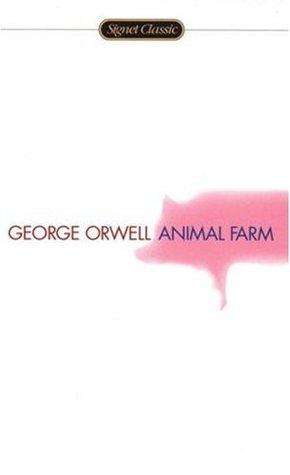
Orwell's slim, savage allegory does with farm animals what Austen does with country gentry: strips away pretension to expose exactly how power operates in a supposedly fair society. The satire in Animal Farm is broader and angrier than Austen's, but the target is the same hypocrisy, self-interest, and the way those in power rewrite the rules to suit themselves. Austen shows us Lady Catherine de Bourgh declaring her superiority as natural law. Orwell shows us Napoleon the pig declaring that "all animals are equal, but some animals are more equal than others." Same joke, different register. The allegorical storytelling makes its points with a clarity that Austen would have appreciated, and at under 100 pages it packs as much social commentary into a novella as most writers manage in a trilogy. If the satirical edge of Pride and Prejudice is what hooked you, Animal Farm is a masterclass in the form.

Animal Farm is the most famous by far of all twentieth-century political allegories. Its account of a group of barnyard animals who revolt against their vicious human master, only to submit to a tyranny erected by their own kind, can fairly be said to have become a universal drama. Orwell is one of the very few modern satirists comparable to Jonathan Swift in power, artistry, and moral authority; in animal farm his spare prose and the logic of his dark comedy brilliantly highlight his stark message. Taking as his starting point the betrayed promise of the Russian Revolution, Orwell lays out a vision that, in its bitter wisdom, gives us the clearest understanding we possess of the possible consequences of our social and political acts.

The Fault in Our Stars
13

The Fault in Our Stars

by John Green

4.0(580k)

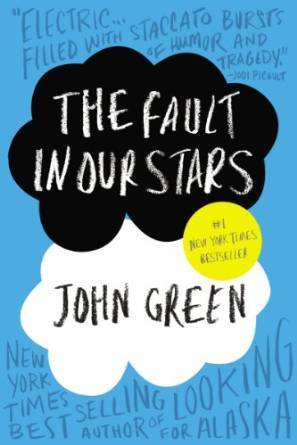
John Green writes contemporary YA, not Regency romance, but his dialogue has the same quality that makes Austen's conversations so addictive: two smart people falling in love through the way they talk to each other. Hazel and Augustus trade witty, literate banter that feels like a modern echo of Elizabeth and Darcy's verbal sparring. The romance has genuine depth because both characters are dealing with something real and serious, which gives the love story stakes that go beyond "will they get together." Green, like Austen, writes romance that respects the reader's intelligence, and he never lets the emotion tip into sentimentality without earning it first. The humor in the face of terrible circumstances mirrors Austen's ability to be funny about things that actually matter. If you liked Pride and Prejudice for the romance plus substance combination, The Fault in Our Stars delivers both with the same unflinching honesty.

Despite the tumor-shrinking medical miracle that has bought her a few years, Hazel has never been anything but terminal, her final chapter inscribed upon diagnosis. But when a gorgeous plot twist named Augustus Waters suddenly appears at Cancer Kid Support Group, Hazel's story is about to be completely rewritten. Insightful, bold, irreverent, and raw, The Fault in Our Stars is award-winning author John Green's most ambitious and heartbreaking work yet, brilliantly exploring the funny, thrilling, and tragic business of being alive and in love.

The Little Prince
14

The Little Prince

by Antoine de Saint-Exupéry

4.3(2191k)

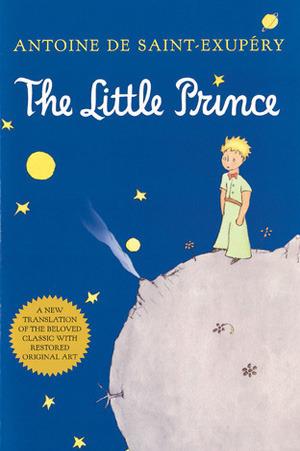
Antoine de Saint-Exupéry's fable seems like the most unlikely entry on a list of books like Pride and Prejudice, but both books are beloved for the same reason: they use deceptively simple storytelling to say something profound about human connection. The Little Prince's encounters with the vain man, the king, and the businessman are social satire in miniature, exposing the same kinds of foolishness Austen targeted in Mr. Collins and Lady Catherine. At its heart, the book is about learning to see what truly matters beneath surfaces, which is literally the plot of Pride and Prejudice. Elizabeth must learn to see past Darcy's cold exterior. Darcy must see past Elizabeth's lower social standing. The Little Prince must learn that his rose matters not because she is unique in the world, but because she is his. Both books have stayed beloved across generations because they tell truths that do not expire.

A pilot forced to land in the Sahara meets a little prince. The wise and enchanting stories the prince tells of his own planet with its three volcanoes and a haughty flower are unforgettable. A strange and wonderful parable for all ages, with super illustrations by the author.

Romeo and Juliet
15

Romeo and Juliet

by William Shakespeare

3.8(210k)

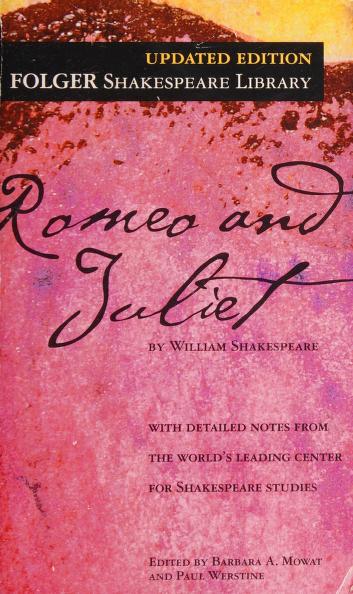
Shakespeare's tragedy is the obvious ancestral text for Pride and Prejudice, and if you loved Austen's novel, returning to Romeo and Juliet with fresh eyes is deeply rewarding. Both stories pit young love against family opposition and social expectation. The Montagues and Capulets are the Bennets and Darcys pushed to a violent extreme, and the marriage politics that Austen treats with comedy, Shakespeare treats with daggers. The wit is there too: Mercutio and Beatrice (wrong play, but Shakespeare had her in him already) trade the kind of quick, sharp dialogue that Austen clearly learned from. Romeo and Juliet is the original template for romance defined by obstacles, and reading it after Pride and Prejudice highlights just how much Austen was in conversation with Shakespeare's vision of love. Where Shakespeare ends in tragedy because the world will not bend, Austen ends in joy because her characters do. The contrast makes both books richer.

This updated edition includes: • Newly re-edited play text and revised commentary notes • Scene-by-scene plot summaries • A key to the play's famous lines and phrases • An introduction to reading Shakespeare's language • An essay by a leading Shakespeare scholar providing a modern perspective on the play • Fresh images from the Folger Shakespeare Library's vast holdings of rare books • An up-to-date annotated guide to further reading

Finding books like Pride and Prejudice is less about matching the Regency setting and more about chasing the feeling Austen gave you: that perfect balance of intelligence, humor, romance, and social observation. Whether you lean toward the gothic intensity of the Brontës, the satirical precision of Wilde and Orwell, or the emotional punch of a great modern love story, there is something on this list that will land.

The truth is, Austen set a bar that very few writers have ever cleared. But the books above all share at least one quality that made Pride and Prejudice a classic: they make you think while making you feel. If you liked Pride and Prejudice for the wit, start with Dorian Gray or Animal Farm. If the romance was everything, go straight to Jane Eyre or Romeo and Juliet. And if it was Elizabeth Bennet herself who stole your heart, try Jo March or Katniss Everdeen. You will not find another Lizzy Bennet out there, but you will find plenty of heroines worth rooting for.

Never Miss a Free Kindle Book

We track thousands of Kindle books daily and alert you when they drop to free. Join 50,000+ readers getting the best deals.

Sign Up Free

Prefer free books on the go?

The Free Books for Kindle app gives you daily free book alerts, genre filtering, push notifications and zero ads.

Get the App