Lord of the Rings

13 Books Like Lord of the Rings by J.R.R. Tolkien

by J.R.R. Tolkien

4.4(3254k)

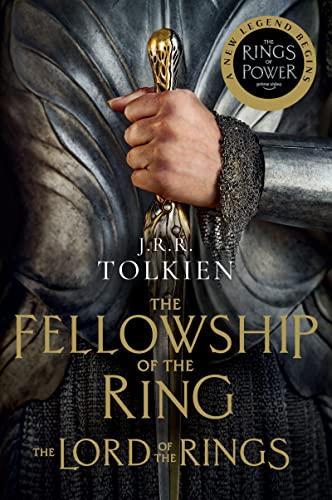
The Lord of the Rings didn't just define a genre. It built one from the ground up, complete with its own languages, mythologies, calendars, and a history stretching back thousands of years before Frodo ever left the Shire. When you finish those three volumes (or one very thick one), you don't just close a book. You leave a world that felt genuinely real, and the silence afterward can be deafening. That's why so many readers immediately start searching for books like Lord of the Rings: not because they expect a carbon copy, but because they want that same feeling of total immersion in something bigger than themselves.

What makes Tolkien's masterpiece so enduring is the layering. On the surface, it's a quest story: take the Ring to Mount Doom, destroy it, save Middle-earth. But underneath that, it's about ordinary people finding courage they didn't know they had. It's about friendship holding firm when everything else falls apart. Samwise Gamgee carrying Frodo up that mountain isn't just a plot point; it's one of the most emotionally devastating moments in all of fiction. The books reward you for paying attention, with references to the Silmarillion woven through the text, songs that actually mean something, and a sense that every forest and ruin has a story behind it.

Tolkien also set the template that nearly every fantasy author since has either followed or reacted against. The dark lord, the fellowship of unlikely heroes, the ancient prophecy, the constructed world with its own rules and logic: these weren't clichés when Tolkien wrote them. He invented them. So when you're looking for books similar to Lord of the Rings, you're really looking for authors who either inherited that tradition and ran with it, or who took those same deep human themes (sacrifice, corruption, the fight against overwhelming darkness) and planted them in entirely different soil.

The thirteen picks below range from obvious spiritual successors to some choices that might surprise you. Not every book on this list has elves and swords. But every one of them shares something essential with Tolkien's work, whether that's meticulous worldbuilding, a journey that transforms its characters, or a story about standing up for what's right when the odds are impossible. If you liked The Lord of the Rings, there's something here for you.

A Game of Thrones
1

A Game of Thrones

by George R.R. Martin

4.5(2572k)

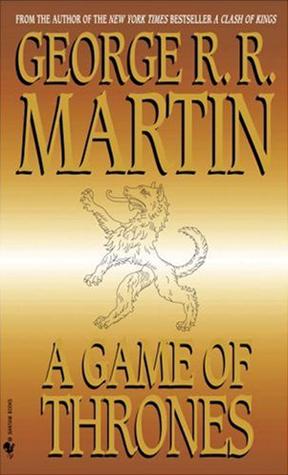
If Tolkien gave us the myth of good versus evil, George R.R. Martin gave us the mess underneath it. A Game of Thrones takes the epic fantasy framework that Lord of the Rings established and strips away the comfort: here, good people make fatal mistakes, villains have sympathetic motivations, and nobody is safe. The worldbuilding is every bit as dense as Tolkien's, with centuries of Westerosi history, detailed heraldry, and political alliances that shift like sand. Where Tolkien's strength was languages and deep time, Martin's is human psychology. Readers who loved the scope of Middle-earth will find Westeros equally absorbing, just darker, bloodier, and far less interested in reassuring you that everything will turn out fine. It's the natural next step for anyone who finished Lord of the Rings wanting more complexity in their fantasy.

Long ago, in a time forgotten, a preternatural event threw the seasons out of balance. In a land where summers can last decades and winters a lifetime, trouble is brewing. The cold is returning, and in the frozen wastes to the north of Winterfell, sinister forces are massing beyond the kingdom’s protective Wall. To the south, the king’s powers are failing—his most trusted adviser dead under mysterious circumstances and his enemies emerging from the shadows of the throne. At the center of the conflict lie the Starks of Winterfell, a family as harsh and unyielding as the frozen land they were born to. Now Lord Eddard Stark is reluctantly summoned to serve as the king’s new Hand, an appointment that threatens to sunder not only his family but the kingdom itself. Sweeping from a harsh land of cold to a summertime kingdom of epicurean plenty, A Game of Thrones tells a tale of lords and ladies, soldiers and sorcerers, assassins and bastards, who come together in a time of grim omens. Here an enigmatic band of warriors bear swords of no human metal; a tribe of fierce wildlings carry men off into madness; a cruel young dragon prince barters his sister to win back his throne; a child is lost in the twilight between life and death; and a determined woman undertakes a treacherous journey to protect all she holds dear. Amid plots and counter-plots, tragedy and betrayal, victory and terror, allies and enemies, the fate of the Starks hangs perilously in the balance, as each side endeavors to win that deadliest of conflicts: the game of thrones.
Harry Potter and the Philosopher's Stone
2

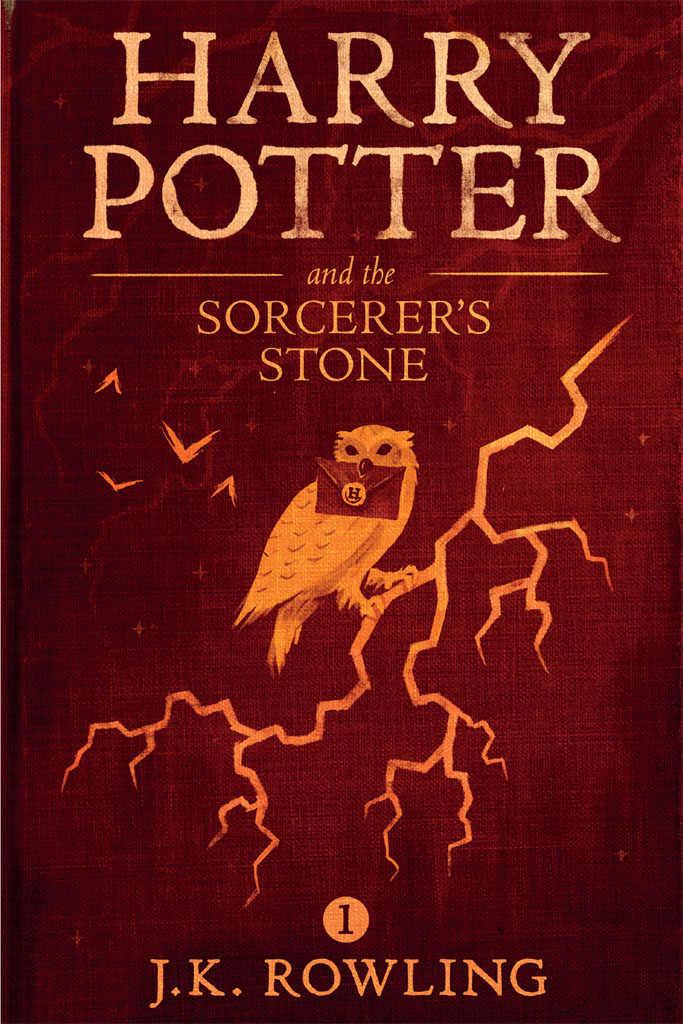
Harry Potter and the Philosopher's Stone

by J.K. Rowling

4.4(2287k)

There's a reason so many readers who grew up on Tolkien handed Harry Potter to their own children. J.K. Rowling built a magical world with the same sense of wonder and internal logic that makes Middle-earth feel real: the rules of wand lore, the history of Hogwarts, the economy of Diagon Alley all hold together. Like Frodo, Harry is an unlikely hero called to something far bigger than himself, and the friendships he forms (particularly with Ron and Hermione) become the backbone of the entire series, just as the Fellowship is the heart of Tolkien's story. The Philosopher's Stone is lighter and faster than Fellowship of the Ring, but that same core DNA is there: a hidden world, a growing darkness, and ordinary courage in the face of extraordinary evil. For readers who loved Tolkien's warmth and sense of wonder, this is an obvious starting point.

An alternative cover for this ASIN can be found here "Turning the envelope over, his hand trembling, Harry saw a purple wax seal bearing a coat of arms; a lion, an eagle, a badger and a snake surrounding a large letter 'H'." Harry Potter has never even heard of Hogwarts when the letters start dropping on the doormat at number four, Privet Drive. Addressed in green ink on yellowish parchment with a purple seal, they are swiftly confiscated by his grisly aunt and uncle. Then, on Harry's eleventh birthday, a great beetle-eyed giant of a man called Rubeus Hagrid bursts in with some astonishing news: Harry Potter is a wizard, and he has a place at Hogwarts School of Witchcraft and Wizardry. An incredible adventure is about to begin!

Harry Potter and the Prisoner of Azkaban
3

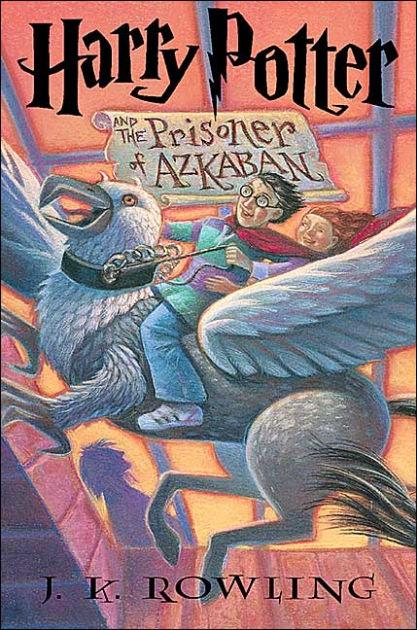
Harry Potter and the Prisoner of Azkaban

by J.K. Rowling

4.6(4580k)

Prisoner of Azkaban is where the Harry Potter series starts to feel genuinely Tolkien-esque in its ambition. The lore deepens dramatically: the Marauder's Map, the history of the original Order, the revelation about Sirius Black, and the introduction of time travel all expand the wizarding world in ways that reward careful attention. The tone shifts darker here, much like the transition from the Shire chapters to Moria in Fellowship. Rowling's worldbuilding starts layering in the kind of hidden connections and backstory that Tolkien fans live for. If you loved how Middle-earth's past constantly informed its present, Azkaban is the Potter book that best scratches that itch.

Harry Potter, along with his best friends, Ron and Hermione, is about to start his third year at Hogwarts School of Witchcraft and Wizardry. Harry can't wait to get back to school after the summer holidays. (Who wouldn't if they lived with the horrible Dursleys?) But when Harry gets to Hogwarts, the atmosphere is tense. There's an escaped mass murderer on the loose, and the sinister prison guards of Azkaban have been called in to guard the school...

The Lion, the Witch and the Wardrobe
4

The Lion, the Witch and the Wardrobe

by C.S. Lewis

4.3(325k)

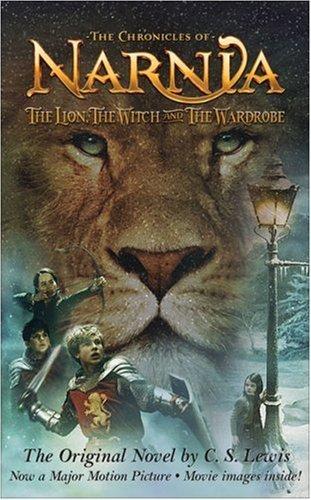
C.S. Lewis and Tolkien were close friends, fellow members of the Inklings literary group, and they read each other's work in progress over pints at the Eagle and Child pub in Oxford. That shared DNA shows. The Lion, the Witch and the Wardrobe is a portal fantasy where ordinary children step into a world gripped by an eternal winter and a tyrant queen, and the echoes of Tolkien's good-versus-evil framework are unmistakable. Narnia is smaller than Middle-earth, more allegorical, and aimed at younger readers, but the core emotional pull is identical: ordinary people discovering bravery, sacrifice that costs something real, and a world that feels like it exists whether or not anyone is reading about it. Lewis's prose is simpler than Tolkien's, but just as effective at making you believe. If you loved Lord of the Rings, this is quite literally what Tolkien's best friend was writing at the same time.

They open a door and enter a world NARNIA...the land beyond the wardrobe, the secret country known only to Peter, Susan, Edmund, and Lucy...the place where the adventure begins. Lucy is the first to find the secret of the wardrobe in the professor's mysterious old house. At first, no one believes her when she tells of her adventures in the land of Narnia. But soon Edmund and then Peter and Susan discover the Magic and meet Aslan, the Great Lion, for themselves. In the blink of an eye, their lives are changed forever.

Dune
5

Dune

by Frank Herbert

4.3(893k)

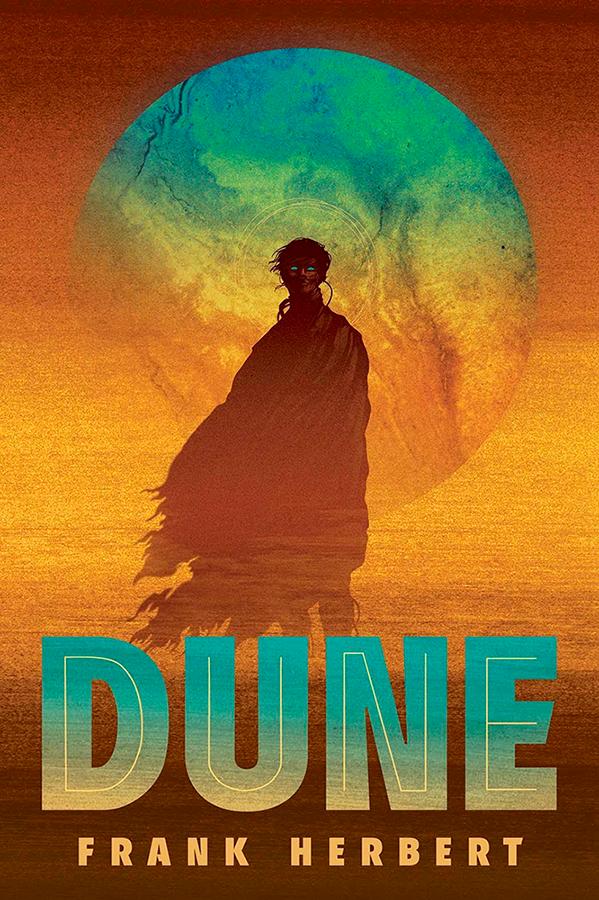
Dune is the Lord of the Rings of science fiction, and that comparison is not an exaggeration. Frank Herbert built Arrakis with the same obsessive detail that Tolkien brought to Middle-earth: the ecology of the sandworms, the politics of the spice trade, the Fremen language and culture, the centuries-long breeding program of the Bene Gesserit. It's a hero's journey wrapped in prophecy, just like Frodo's quest, but Herbert is far more interested in questioning what prophecy does to the people caught inside it. Paul Atreides is a chosen one who actually grapples with what that means, and the story is richer for it. Readers who loved Tolkien's worldbuilding will find Dune equally immersive, and the themes of power, ecology, and resistance feel remarkably modern. This is essential reading for anyone searching for books similar to Lord of the Rings who doesn't mind trading swords for stillsuits.

Set on the desert planet Arrakis, Dune is the story of the boy Paul Atreides, heir to a noble family tasked with ruling an inhospitable world where the only thing of value is the “spice” melange, a drug capable of extending life and enhancing consciousness. Coveted across the known universe, melange is a prize worth killing for... When House Atreides is betrayed, the destruction of Paul’s family will set the boy on a journey toward a destiny greater than he could ever have imagined. And as he evolves into the mysterious man known as Muad’Dib, he will bring to fruition humankind’s most ancient and unattainable dream.

Get Notified When These Books Go Free

Join 50,000+ readers who get handpicked free and discounted Kindle books delivered to their inbox every day.

Sign Up Free
Eragon
6

Eragon

by Christopher Paolini

4.0(1943k)

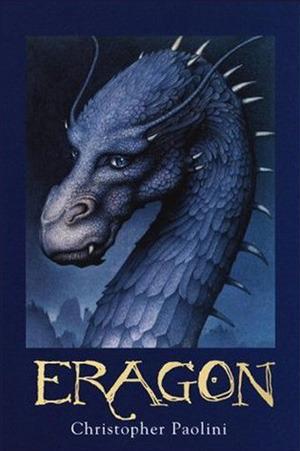
Christopher Paolini was fifteen when he started writing Eragon, and his love for Tolkien is visible on every page. The Ancient Language of Alagaësia functions much like Tolkien's Elvish: it has grammar, internal rules, and magic is literally powered by speaking it correctly. The plot follows a farm boy who discovers a dragon egg, bonds with the dragon Saphira, and is drawn into a rebellion against a dark lord called Galbatorix. If that sounds familiar, it should. Eragon wears its Tolkien influence proudly, and for readers who loved The Lord of the Rings and want something in that same tradition but with dragon riders at the centre, this delivers exactly that. The worldbuilding grows more original as the Inheritance Cycle progresses, and the constructed languages become genuinely impressive for an author who started as a teenager.

An alternate cover edition for ISBN 9780375826696 can be found here. One boy... One dragon... A world of adventure. When Eragon finds a polished blue stone in the forest, he thinks it is the lucky discovery of a poor farm boy; perhaps it will buy his family meat for the winter. But when the stone brings a dragon hatchling, Eragon soon realizes he has stumbled upon a legacy nearly as old as the Empire itself. Overnight his simple life is shattered, and he is thrust into a perilous new world of destiny, magic, and power. With only an ancient sword and the advice of an old storyteller for guidance, Eragon and the fledgling dragon must navigate the dangerous terrain and dark enemies of an Empire ruled by a king whose evil knows no bounds. Can Eragon take up the mantle of the legendary Dragon Riders? The fate of the Empire may rest in his hands.

Harry Potter and the Goblet of Fire
7

Harry Potter and the Goblet of Fire

by J.K. Rowling

4.5(439k)

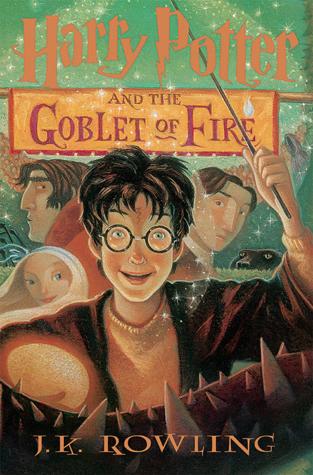
Goblet of Fire is the turning point where the Harry Potter series stops being a children's adventure and becomes something closer to a war story. The Triwizard Tournament provides the kind of structured quest that Tolkien fans respond to, with each task raising the stakes and testing Harry's character in new ways. But it's the ending that earns this book its place on a list of books like Lord of the Rings: Voldemort's return is handled with genuine menace, and Cedric Diggory's death carries real weight. The wizarding world suddenly feels dangerous in a way that mirrors the growing shadow of Sauron across Middle-earth. For readers who loved how Tolkien gradually escalated from the Shire's pastoral calm to the siege of Minas Tirith, Goblet of Fire follows a similar arc within its own universe.

Lord Voldemort, the dark wizard responsible for the deaths of Harry's parents, is growing stronger. At the Quidditch World Cup, Voldemort's signature Dark Mark appears in the sky over the stadium, causing pandemonium. The lightning-bolt-shaped scar on Harry's forehead is sporadically causing him agonizing pain, and he is also hearing disturbing voices. Harry realizes that all this is the result of a strong connection between himself and the Dark Lord, one that is putting him in grave danger. Back at Hogwarts, the students are getting ready for the upcoming Triwizard Tournament. Witches and wizards from two other schools are coming to Hogwarts for the year to compete in a series of grueling contests. The tournament is open only to students age 17 and above, but when someone secretly enters Harry's name, he is forced to compete. How can a 14-year-old possibly pass tests that might be fatal to an advanced wizard? And with the threat of Lord Voldemort looming, will he be able to focus on the tournament at all? For Harry, his friends, and everyone in the Wizarding world, the stakes are about to become much higher. This fourth installment, with a heart-pounding and emotional climax, serves as a turning point in the series, for the reader and for Harry himself.

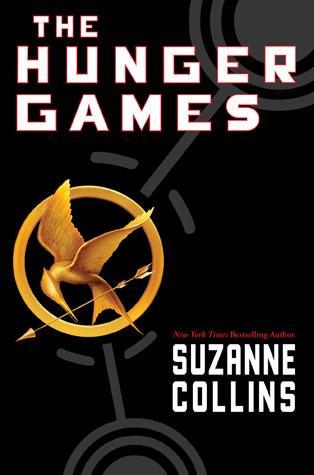
The Hunger Games
8

The Hunger Games

by Suzanne Collins

4.3(9924k)

On the surface, The Hunger Games looks nothing like Lord of the Rings. No elves, no magic, no ancient languages. But strip both stories down to their bones and the parallels are striking: an ordinary person from a quiet, overlooked place is thrown into a fight against a vastly more powerful enemy, and survival depends on courage, resourcefulness, and the bonds formed along the way. Katniss Everdeen shares more with Frodo than you might expect. Neither asked for their role, both carry a burden that threatens to break them, and both become symbols of resistance almost against their will. Suzanne Collins also builds Panem with careful attention to how its districts function, how the Capitol maintains control, and how propaganda shapes reality. If you loved Tolkien's themes of the small standing against the mighty, The Hunger Games translates that idea into a modern, visceral setting.

Winning means fame and fortune. Losing means certain death. The Hunger Games have begun. . . . In the ruins of a place once known as North America lies the nation of Panem, a shining Capitol surrounded by twelve outlying districts. The Capitol is harsh and cruel and keeps the districts in line by forcing them all to send one boy and one girl between the ages of twelve and eighteen to participate in the annual Hunger Games, a fight to the death on live TV. Sixteen-year-old Katniss Everdeen regards it as a death sentence when she steps forward to take her sister's place in the Games. But Katniss has been close to dead before-and survival, for her, is second nature. Without really meaning to, she becomes a contender. But if she is to win, she will have to start making choices that weigh survival against humanity and life against love.

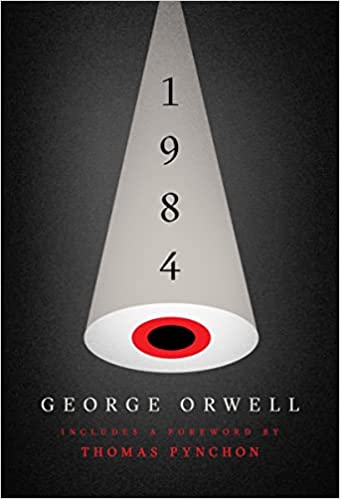
1984
9

1984

by George Orwell

4.2(1791k)

This might seem like an unusual pick for readers looking for books similar to Lord of the Rings, but hear me out. Tolkien and Orwell were both writing in the shadow of the Second World War, and both were deeply concerned with what happens when absolute power goes unchecked. Sauron and Big Brother are different expressions of the same fear: a force so total that it seeks to control not just behaviour, but thought itself. Winston Smith's quiet resistance inside the machinery of the Party carries the same emotional charge as Frodo's dogged march toward Mordor. Both stories ask whether individual courage means anything against a system designed to crush it. Orwell's worldbuilding is as meticulous as Tolkien's, just focused on bureaucracy and surveillance rather than geography and language. 1984 is a colder, harder book, but it hits some of the same nerves.

A masterpiece of rebellion and imprisonment where war is peace freedom is slavery and Big Brother is watching. Thought Police, Big Brother, Orwellian - these words have entered our vocabulary because of George Orwell's classic dystopian novel 1984. The story of one man's Nightmare Odyssey as he pursues a forbidden love affair through a world ruled by warring states and a power structure that controls not only information but also individual thought and memory 1984 is a prophetic haunting tale More relevant than ever before 1984 exposes the worst crimes imaginable the destruction of truth freedom and individuality. With a foreword by Thomas Pynchon. This beautiful paperback edition features deckled edges and french flaps a perfect gift for any occasion Alternate cover edition can be found here.

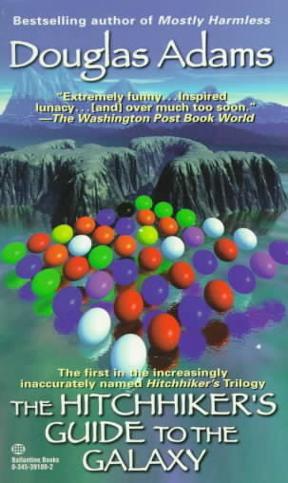
The Hitchhiker's Guide to the Galaxy
10

The Hitchhiker's Guide to the Galaxy

by Douglas Adams

4.2(1254k)

Here's where the list takes a sharp left turn, and that's the point. Douglas Adams sends Arthur Dent on an epic journey across the galaxy after Earth is demolished to make way for a hyperspace bypass. The tone could not be more different from Tolkien's, but the structure is surprisingly similar: an ordinary, comfortable person is ripped from home and dragged through increasingly strange and dangerous situations, picking up a motley fellowship of companions along the way. Adams builds his universe with the same loving, obsessive detail that Tolkien brought to Middle-earth, only the details are absurd instead of mythic. If you've read Lord of the Rings multiple times and need a palate cleanser that still delivers big ideas wrapped in a journey narrative, this is it. Sometimes the best book to read after an epic is one that makes you laugh.

Seconds before the Earth is demolished to make way for a galactic freeway, Arthur Dent is plucked off the planet by his friend Ford Prefect, a researcher for the revised edition of The Hitchhiker's Guide to the Galaxy who, for the last fifteen years, has been posing as an out-of-work actor. Together this dynamic pair begin a journey through space aided by quotes from The Hitchhiker's Guide ("A towel is about the most massively useful thing an interstellar hitchhiker can have") and a galaxy-full of fellow travelers: Zaphod Beeblebrox—the two-headed, three-armed ex-hippie and totally out-to-lunch president of the galaxy; Trillian, Zaphod's girlfriend (formally Tricia McMillan), whom Arthur tried to pick up at a cocktail party once upon a time zone; Marvin, a paranoid, brilliant, and chronically depressed robot; Veet Voojagig, a former graduate student who is obsessed with the disappearance of all the ballpoint pens he bought over the years. Where are these pens? Why are we born? Why do we die? Why do we spend so much time between wearing digital watches? For all the answers stick your thumb to the stars. And don't forget to bring a towel!

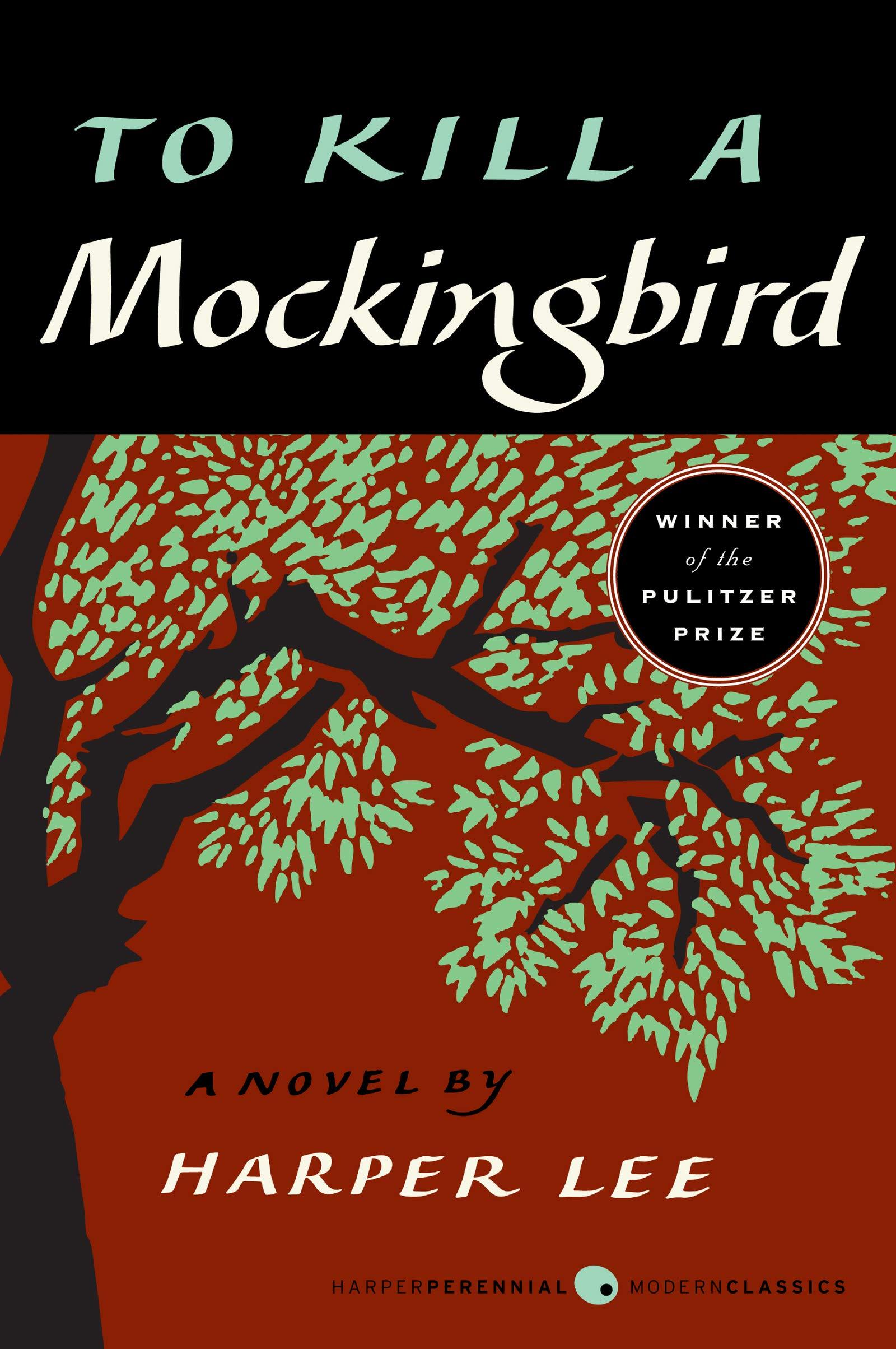
To Kill a Mockingbird
11

To Kill a Mockingbird

by Harper Lee

4.2(740k)

Tolkien once said that The Lord of the Rings was fundamentally about death and the desire for immortality, but what most readers take away from it is something simpler: the importance of doing right even when it costs you everything. That's exactly what To Kill a Mockingbird is about. Atticus Finch standing up in that courtroom carries the same moral weight as Aragorn riding to the Black Gate, knowing he can't win but showing up anyway. Harper Lee's Maycomb, Alabama is built with the same sense of place and community that Tolkien brought to the Shire: a small world where everyone knows everyone, where change comes slowly, and where the values you grow up with shape who you become. This is a book about courage, empathy, and choosing the harder right over the easier wrong. Tolkien fans will recognize those themes immediately.

One of the best-loved stories of all time, To Kill a Mockingbird has been translated into more than forty languages, sold more than forty million copies worldwide, served as the basis for an enormously popular motion picture, and was voted one of the best novels of the twentieth century by librarians across the country. A gripping, heart-wrenching, and wholly remarkable coming-of-age tale in a South poisoned by virulent prejudice, it views a world of great beauty and savage iniquities through the eyes of a young girl, as her father — a crusading local lawyer — risks everything to defend a black man unjustly accused of a terrible crime.

Pride and Prejudice
12

Pride and Prejudice

by Jane Austen

4.3(530k)

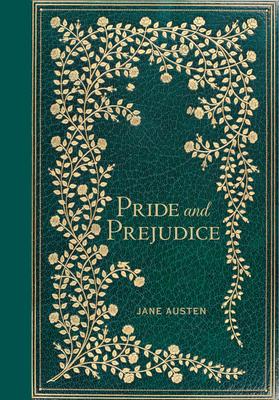
This is the most unexpected pick on this list, but it belongs here. Jane Austen and Tolkien share something that gets overlooked: both are absolute masters of creating a self-contained world with its own rules, hierarchies, and internal logic. Austen's Regency England is built with the same precision as Middle-earth. Every social interaction follows invisible but rigid codes, and the consequences for breaking them are real. Elizabeth Bennet, like Frodo, is someone who sees clearly in a world full of people who don't, and she holds to her principles under enormous social pressure. Both authors also write with a warmth and humanity that makes their characters feel like people you actually know. If what you loved most about Lord of the Rings was the richness of the world and the moral clarity of the characters rather than the swords and sorcery, Pride and Prejudice delivers both in abundance.

Pride and Prejudice has charmed generations of readers for more than two centuries. Jane Austen's much-adapted novel is famed for its witty, spirited heroine, sensational romances, and deft remarks on the triumphs and pitfalls of social convention. Author Jane Austen (1775-1817) was an English novelist whose works of social realism achieved unprecedented critical and popular success, though Austen herself remained an anonymous writer throughout her life.

The Golden Compass
13

The Golden Compass

by Philip Pullman

4.0(1528k)

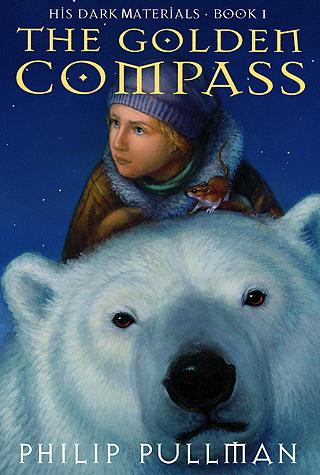
Philip Pullman's His Dark Materials trilogy is one of the most ambitious fantasy projects published since Tolkien, and The Golden Compass is a stunning opening volume. Lyra Belacqua's Oxford exists in a parallel world where people's souls walk beside them as animal companions called daemons, and the worldbuilding is dense, original, and rewarding in exactly the way that Middle-earth is. Pullman shares Tolkien's gift for making invented concepts feel inevitable: once you understand daemons, you can't imagine a world without them. The story pits a brave, resourceful child against a vast institutional power that wants to control human nature itself, echoing Tolkien's concern with the corrupting influence of unchecked authority. The writing is beautiful, the Northern setting is vivid and atmospheric, and the story grows in scope and ambition with each volume. For readers who loved Tolkien's worldbuilding and themes but want something with a sharper philosophical edge, The Golden Compass is essential.

Lyra is rushing to the cold, far North, where witch clans and armored bears rule. North, where the Gobblers take the children they steal--including her friend Roger. North, where her fearsome uncle Asriel is trying to build a bridge to a parallel world. Can one small girl make a difference in such great and terrible endeavors? This is Lyra: a savage, a schemer, a liar, and as fierce and true a champion as Roger or Asriel could want--but what Lyra doesn't know is that to help one of them will be to betray the other.

Finding the next book after Tolkien is never going to be a perfect one-to-one match, and honestly, it shouldn't be. What made The Lord of the Rings special wasn't just the elves or the magic rings; it was the care behind every sentence, the sense that an entire world existed beyond the edges of the page, and characters whose goodness felt hard-won rather than handed to them. The books on this list each capture a piece of that magic, whether through sprawling worldbuilding, moral complexity, unlikely heroes, or stories that stick with you long after the last chapter.

So if you've been searching for books like Lord of the Rings and feeling like nothing quite measures up, give these a chance on their own terms. Let George R.R. Martin's political scheming pull you in. Let Philip Pullman's parallel worlds unsettle you. Let Douglas Adams make you laugh in places you didn't expect. Tolkien opened a door for all of these authors, and the best way to honour his legacy is to keep reading, keep exploring, and keep finding stories that remind you why you fell in love with books in the first place.

Never Miss a Free Kindle Book

We track thousands of Kindle books daily and alert you when they drop to free. Join 50,000+ readers getting the best deals.

Sign Up Free

Prefer free books on the go?

The Free Books for Kindle app gives you daily free book alerts, genre filtering, push notifications and zero ads.

Get the App