Lord of the Flies

8 Books Like Lord of the Flies by William Golding

by William Golding

3.7(3338k)

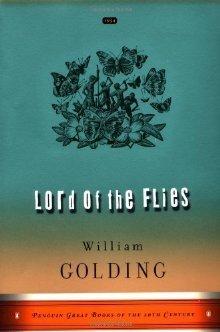
William Golding's Lord of the Flies remains one of the most unsettling examinations of human nature ever written. The novel strips away civilization's veneer by placing a group of schoolboys on an uninhabited island, watching as their attempts at ordered society crumble into violence and chaos. What makes the book so compelling is its unflinching look at how quickly the bonds of civility dissolve when authority figures disappear and survival becomes paramount. Golding presents savagery not as something foreign to human nature, but as something always lurking beneath the surface, waiting for the right conditions to emerge.

The novel's power lies in how it functions as both a literal survival story and a sweeping allegory about civilization, power, and mob mentality. The gradual transformation from democratic order to tribal rule mirrors patterns throughout human history and psychology. The book explores how individuals can be swept up in collective behavior, how charismatic leadership can corrupt, and how fear can drive ordinary people toward brutality. It's this combination of gripping narrative and profound thematic depth that has made Lord of the Flies a cornerstone of literary study.

If you found yourself captivated by Golding's examination of civilization's fragility and human darkness, there are many other powerful novels that explore similar territory through different lenses. Books like Lord of the Flies tackle questions of morality, social structures, and the capacity for evil that exists within seemingly ordinary people. Whether through dystopian frameworks, historical narratives, or intimate character studies, these books similar to Lord of the Flies offer their own penetrating insights into what humans are capable of when constraints dissolve. The following recommendations each bring their own perspective to these enduring questions about human nature and society.

Of Mice and Men
1

Of Mice and Men

by John Steinbeck

3.9(2789k)

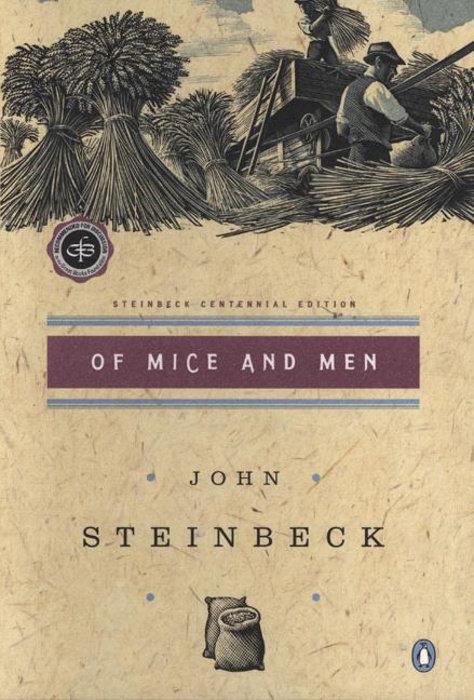
Steinbeck's novella, like Lord of the Flies, strips away social pretense to reveal the vulnerability and violence that simmer beneath everyday interaction. Two migrant workers pursuing an impossible dream of independence collide with the brutal realities of a world indifferent to their hopes. The novel's exploration of friendship, exploitation, and the tragic inevitability of violence parallels Golding's depiction of how circumstances can overwhelm individual morality. Both works examine how powerlessness and desperation can transform ordinary people into perpetrators of harm.

“I got you to look after me, and you got me to look after you, and that's why.” They are an unlikely pair: George is "small and quick and dark of face"; Lennie, a man of tremendous size, has the mind of a young child. Yet they have formed a "family," clinging together in the face of loneliness and alienation. Laborers in California's dusty vegetable fields, they hustle work when they can, living a hand-to-mouth existence. But George and Lennie have a plan: to own an acre of land and a shack they can call their own. While the powerlessness of the laboring class is a recurring theme in Steinbeck's work of the late 1930s, he narrowed his focus when composing Of Mice and Men, creating an intimate portrait of two men facing a world marked by petty tyranny, misunderstanding, jealousy, and callousness. But though the scope is narrow, the theme is universal: a friendship and a shared dream that makes an individual's existence meaningful. A unique perspective on life's hardships, this story has achieved the status of timeless classic due to its remarkable success as a novel, a Broadway play, and three acclaimed films.

View on Amazon
To Kill a Mockingbird
2
4.2(740k)

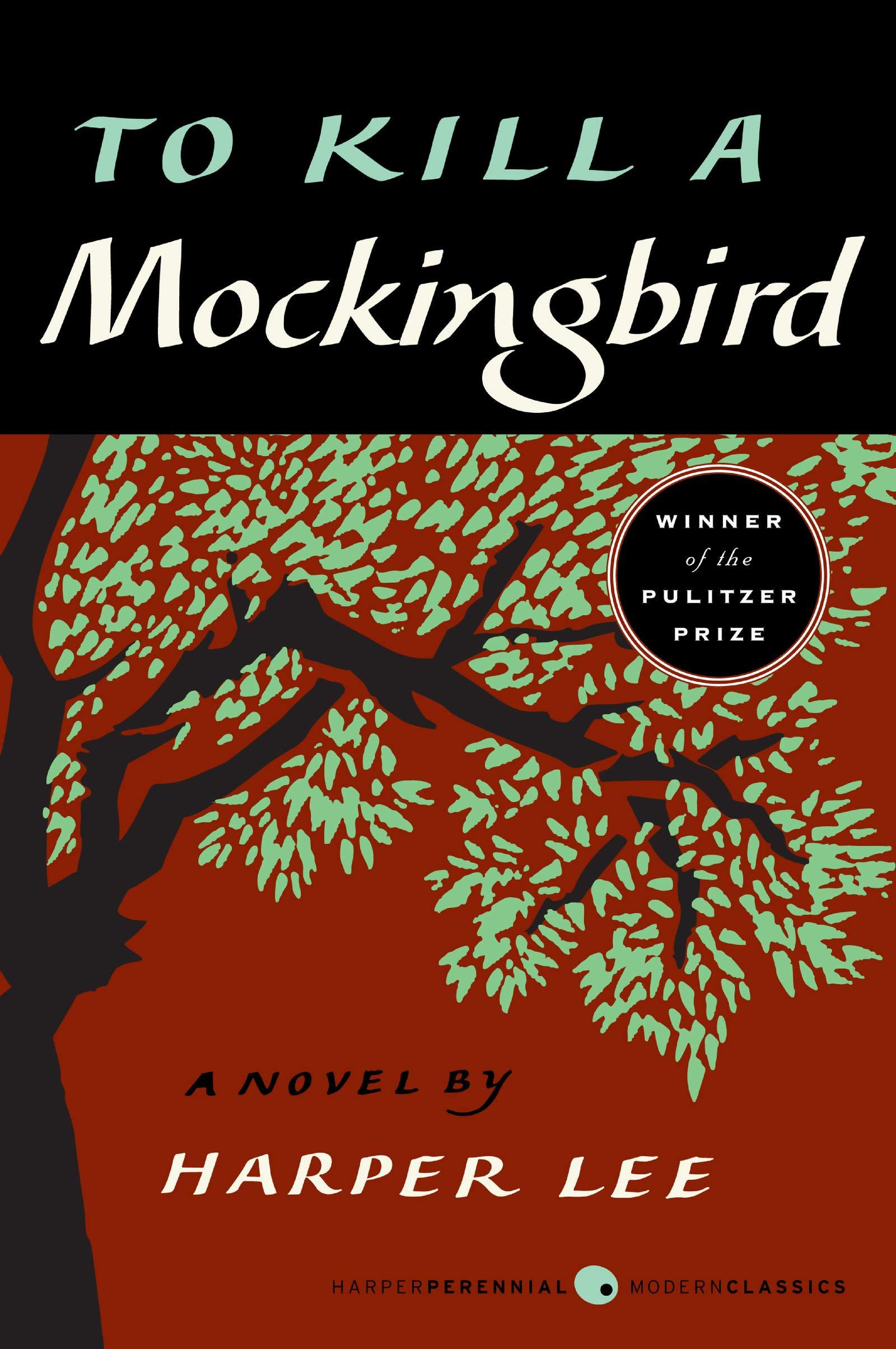
Harper Lee's masterpiece, like Golding's novel, centers on the loss of innocence and the collision between idealistic belief in justice and the harsh realities of a corrupt system. The book explores how entire communities can sanction cruelty and violence, how moral courage requires standing against the tide of collective opinion, and how children gradually understand the depth of human evil. Both novels use young protagonists to examine how society functions and fails, and how the institutions meant to protect us can perpetuate injustice.

One of the best-loved stories of all time, To Kill a Mockingbird has been translated into more than forty languages, sold more than forty million copies worldwide, served as the basis for an enormously popular motion picture, and was voted one of the best novels of the twentieth century by librarians across the country. A gripping, heart-wrenching, and wholly remarkable coming-of-age tale in a South poisoned by virulent prejudice, it views a world of great beauty and savage iniquities through the eyes of a young girl, as her father — a crusading local lawyer — risks everything to defend a black man unjustly accused of a terrible crime.

View on Amazon
The Great Gatsby
4

The Great Gatsby

by F. Scott Fitzgerald

3.9(700k)

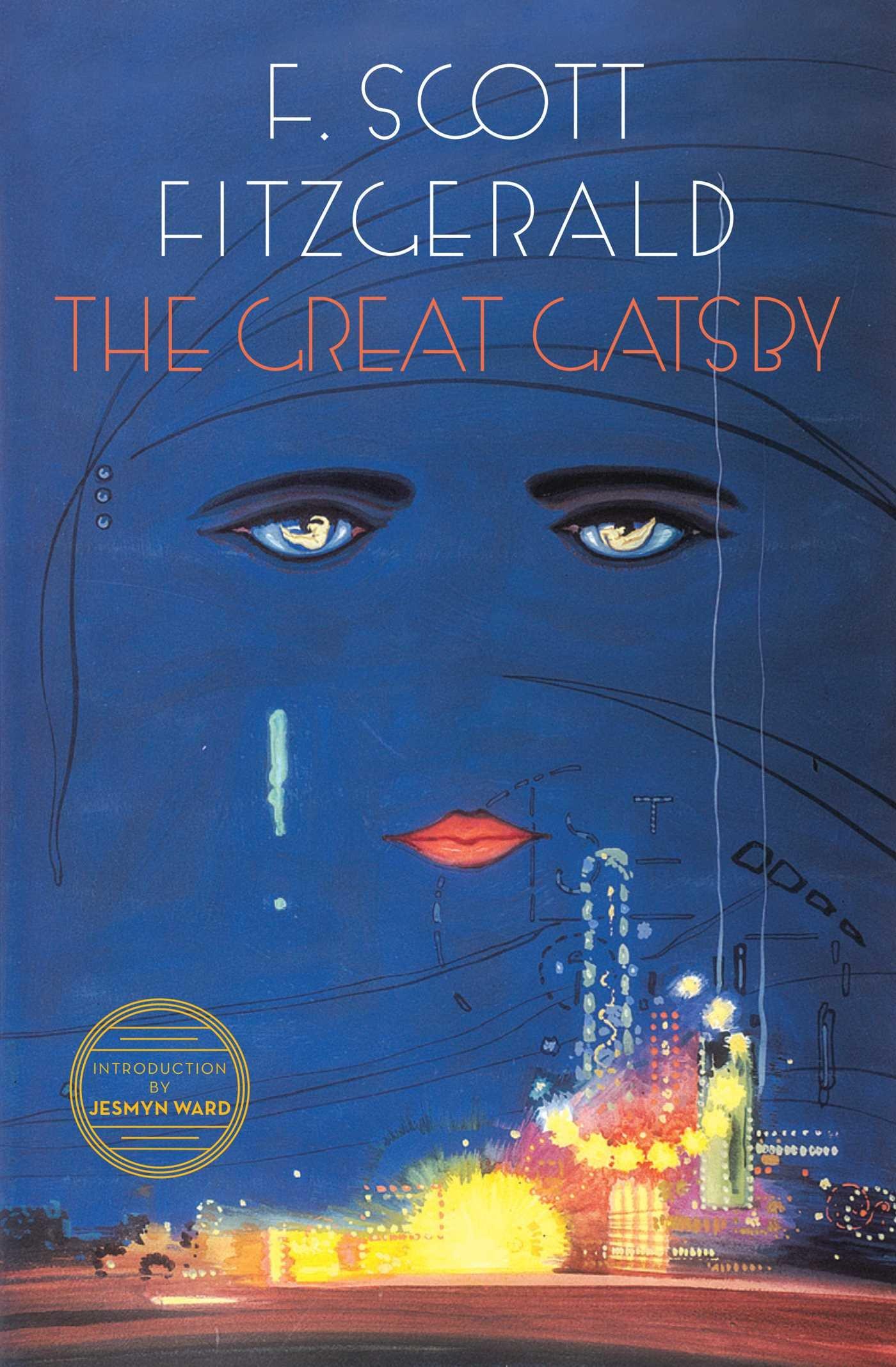
Fitzgerald's novel shares Lord of the Flies' interest in the corruption beneath attractive surfaces and the destructive power of obsession within seemingly civilized society. The novel reveals how the pursuit of wealth and status can corrupt moral judgment and drive people toward ruthlessness. Both works examine how charisma and ambition can inspire followers while leading them toward catastrophe, and how the fantasy of what we desire blinds us to reality and consequences.

Alternate covers of this ISBN can be found here, here and here. James L. W. West III to include the author’s final revisions and features a note on the composition and text, a personal foreword by Fitzgerald’s granddaughter, Eleanor Lanahan—and a new introduction by two-time National Book Award winner Jesmyn Ward. The Great Gatsby, F. Scott Fitzgerald’s third book, stands as the supreme achievement of his career. First published in 1925, this quintessential novel of the Jazz Age has been acclaimed by generations of readers. The story of the mysteriously wealthy Jay Gatsby and his love for the beautiful Daisy Buchanan, of lavish parties on Long Island at a time when The New York Times noted “gin was the national drink and sex the national obsession,” it is an exquisitely crafted tale of America in the 1920s.

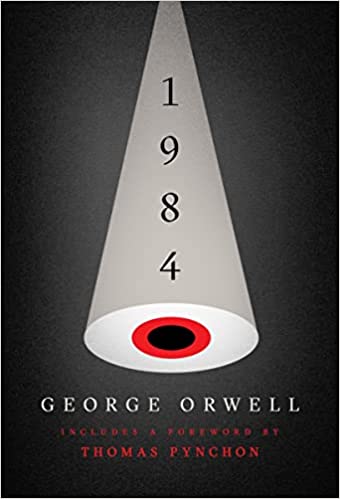
1984
7

1984

by George Orwell

4.2(1791k)

Orwell's totalitarian nightmare operates on many of the same psychological principles visible in Jack's island kingdom, where power over others becomes the ultimate goal and truth itself becomes malleable. Both works explore how surveillance, fear, and controlled language can reshape human consciousness and destroy individual autonomy. The novel demonstrates on a society-wide scale what Golding shows on a smaller island: the terrifying efficiency with which humans can be manipulated into serving tyranny.

A masterpiece of rebellion and imprisonment where war is peace freedom is slavery and Big Brother is watching. Thought Police, Big Brother, Orwellian - these words have entered our vocabulary because of George Orwell's classic dystopian novel 1984. The story of one man's Nightmare Odyssey as he pursues a forbidden love affair through a world ruled by warring states and a power structure that controls not only information but also individual thought and memory 1984 is a prophetic haunting tale More relevant than ever before 1984 exposes the worst crimes imaginable the destruction of truth freedom and individuality. With a foreword by Thomas Pynchon. This beautiful paperback edition features deckled edges and french flaps a perfect gift for any occasion Alternate cover edition can be found here.

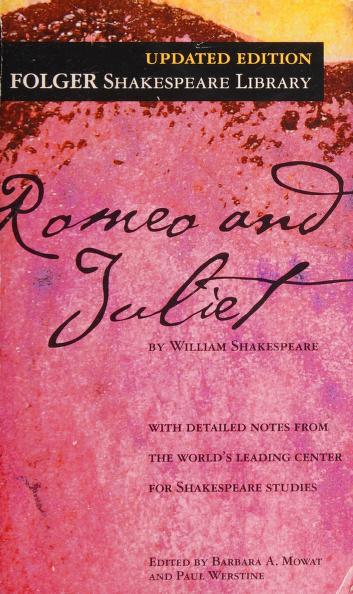
Romeo and Juliet
8

Romeo and Juliet

by William Shakespeare

3.8(210k)

Shakespeare's tragedy shares Lord of the Flies' interest in how conflicts beyond individual control can doom even the most sympathetic characters, and how mob mentality and faction loyalty can override personal morality. The feuding families mirror the tribal divisions on Golding's island, where ancient hatreds and group identity supersede individual conscience. Both works show how social structures can trap people into violence and how tragedy often flows from systemic failings rather than individual evil.

This updated edition includes: • Newly re-edited play text and revised commentary notes • Scene-by-scene plot summaries • A key to the play's famous lines and phrases • An introduction to reading Shakespeare's language • An essay by a leading Shakespeare scholar providing a modern perspective on the play • Fresh images from the Folger Shakespeare Library's vast holdings of rare books • An up-to-date annotated guide to further reading

View on Amazon

Get Notified When These Books Go Free

Join 50,000+ readers who get handpicked free and discounted Kindle books delivered to their inbox every day.

Sign Up Free
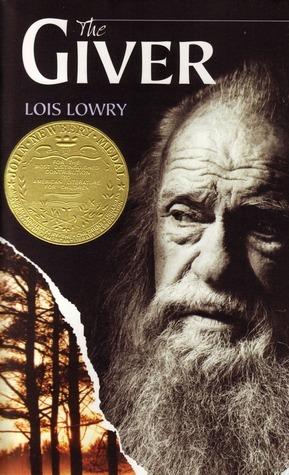
The Giver
11

The Giver

by Lois Lowry

4.1(2804k)

Lowry's novel operates on the same principle as Lord of the Flies by revealing how a seemingly ordered, peaceful society conceals darkness and cruelty beneath its surface. The Giver shows a utopia that functions through control and forgetting, much as Jack's tribe maintains order through fear and conformity. Both works use the perspective of youth to expose how institutions and entire communities can normalize evil, and both ask whether such systems can be challenged or escaped.

At the age of twelve, Jonas, a young boy from a seemingly utopian, futuristic world, is singled out to receive special training from The Giver, who alone holds the memories of the true joys and pain of life.

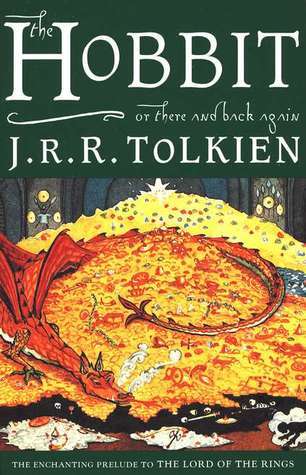
The Hobbit, or There and Back Again
13
4.3(4310k)

Tolkien's adventure novel explores the corrupting power of treasure and how even the most humble and well-intentioned people can be transformed by desire and obsession. The Ring's pull on Bilbo mirrors the power's corrupting influence on characters throughout the story, much as authority corrupts Jack on the island. Both works examine how personal moral fiber is tested by circumstances and temptation, and how easily ordinary individuals can be seduced toward darkness.

In a hole in the ground there lived a hobbit. Not a nasty, dirty, wet hole, filled with the ends of worms and an oozy smell, nor yet a dry, bare, sandy hole with nothing in it to sit down on or to eat: it was a hobbit-hole, and that means comfort. Written for J.R.R. Tolkien’s own children, The Hobbit met with instant critical acclaim when it was first published in 1937. Now recognized as a timeless classic, this introduction to the hobbit Bilbo Baggins, the wizard Gandalf, Gollum, and the spectacular world of Middle-earth recounts of the adventures of a reluctant hero, a powerful and dangerous ring, and the cruel dragon Smaug the Magnificent. The text in this 372-page paperback edition is based on that first published in Great Britain by Collins Modern Classics (1998), and includes a note on the text by Douglas A. Anderson (2001). 9780618260300

View on Amazon
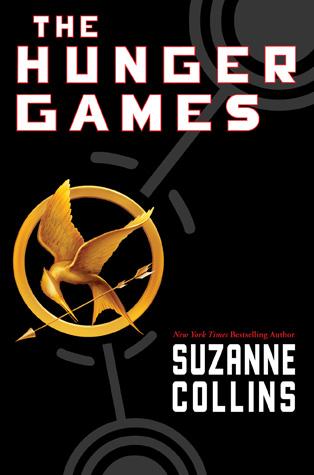
The Hunger Games
14

The Hunger Games

by Suzanne Collins

4.3(9924k)

Collins' novel directly echoes Lord of the Flies by forcing young people into mortal combat and examining how violence can be normalized and even celebrated within a controlling system. Like the island boys, Katniss and her fellow tributes must navigate survival while watched by an indifferent or entertained authority. Both works explore how societies can justify and perpetuate violence against their young, and how individuals can resist systems designed to consume them.

Winning means fame and fortune. Losing means certain death. The Hunger Games have begun. . . . In the ruins of a place once known as North America lies the nation of Panem, a shining Capitol surrounded by twelve outlying districts. The Capitol is harsh and cruel and keeps the districts in line by forcing them all to send one boy and one girl between the ages of twelve and eighteen to participate in the annual Hunger Games, a fight to the death on live TV. Sixteen-year-old Katniss Everdeen regards it as a death sentence when she steps forward to take her sister's place in the Games. But Katniss has been close to dead before-and survival, for her, is second nature. Without really meaning to, she becomes a contender. But if she is to win, she will have to start making choices that weigh survival against humanity and life against love.

View on Amazon

These fifteen novels each offer their own meditation on the themes that make Lord of the Flies so disturbing and memorable. Whether through outright dystopian horror, moral allegory, or intimate character tragedy, they all grapple with similar questions about power, civilization, and the capacity for darkness that exists within human society. What unites them is an unflinching willingness to show rather than tell, to let readers draw their own conclusions about what it means to be human.

If you're drawn to Lord of the Flies because it asks difficult questions without easy answers, these books will reward your reading with equally challenging explorations of morality, society, and human nature. Each offers a different pathway into understanding the themes that make Golding's novel so enduringly relevant to readers of all ages.

Never Miss a Free Kindle Book

We track thousands of Kindle books daily and alert you when they drop to free. Join 50,000+ readers getting the best deals.

Sign Up Free

Prefer free books on the go?

The Free Books for Kindle app gives you daily free book alerts, genre filtering, push notifications and zero ads.

Get the App