Game of Thrones

10 Books Like Game of Thrones by George R.R. Martin

by George R.R. Martin

4.5(2834k)

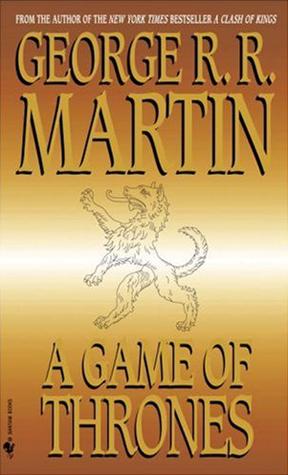
Few books have reshaped an entire genre the way A Game of Thrones did. When George R.R. Martin introduced readers to Westeros in 1996, he broke the unwritten rules of fantasy: beloved characters died without warning, villains had sympathetic moments, and the line between hero and monster blurred with every chapter. The result was a series that felt dangerous in a way fantasy hadn't before. You genuinely didn't know who would survive, and that uncertainty became addictive.

What makes Game of Thrones so magnetic isn't just the shock value. It's the political chess match happening underneath every battle and betrayal. The Starks, Lannisters, Baratheons, and Targaryens aren't just fighting with swords; they're fighting with marriages, alliances, secrets, and leverage. Martin treated his fantasy world with the same complexity a historian would bring to the Wars of the Roses, and readers who loved A Game of Thrones often cite that layered political scheming as the thing that hooked them hardest.

Then there's the worldbuilding. Westeros and Essos feel lived-in because Martin filled them with history, folklore, religions, and regional cultures that extend far beyond what the plot strictly needs. The Wall, the Iron Throne, the Dothraki Sea, the Free Cities: these places have weight because they have context. Every castle has a lineage. Every house has grudges that stretch back centuries. For readers searching for books like Game of Thrones, that sense of a world with real depth is usually non-negotiable.

If you're hunting for your next read after finishing (or re-reading) the series, the picks below all share DNA with Martin's work, whether that's intricate politics, morally complicated characters, rich worldbuilding, or that gut-punch feeling when a story refuses to play it safe. Not every book here is grimdark, but each one scratches a specific itch that Game of Thrones left behind.

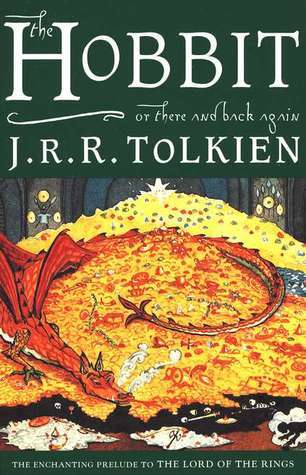
The Hobbit, or There and Back Again
1

The Hobbit, or There and Back Again

by J.R.R. Tolkien

4.3(4310k)

Tolkien's The Hobbit is the root system beneath almost every modern fantasy epic, Game of Thrones included. Martin has spoken openly about Tolkien's influence, and while The Hobbit is lighter and cosier than anything in Westeros, it established the template that Martin later deconstructed: the reluctant hero, the quest through a dangerous world, the sense that ancient forces are stirring beneath the surface. Bilbo's journey through Middle-earth introduced millions of readers to the idea that fantasy could have real geography, real languages, and real history behind its stories. If you loved the worldbuilding in Game of Thrones but want something you can read without bracing for a massacre, The Hobbit delivers that same sense of a vast, detailed world with a warmer tone. It's also a surprisingly quick read that reminds you why you fell in love with fantasy in the first place.

In a hole in the ground there lived a hobbit. Not a nasty, dirty, wet hole, filled with the ends of worms and an oozy smell, nor yet a dry, bare, sandy hole with nothing in it to sit down on or to eat: it was a hobbit-hole, and that means comfort. Written for J.R.R. Tolkien’s own children, The Hobbit met with instant critical acclaim when it was first published in 1937. Now recognized as a timeless classic, this introduction to the hobbit Bilbo Baggins, the wizard Gandalf, Gollum, and the spectacular world of Middle-earth recounts of the adventures of a reluctant hero, a powerful and dangerous ring, and the cruel dragon Smaug the Magnificent. The text in this 372-page paperback edition is based on that first published in Great Britain by Collins Modern Classics (1998), and includes a note on the text by Douglas A. Anderson (2001). 9780618260300
The Fellowship of the Ring
2

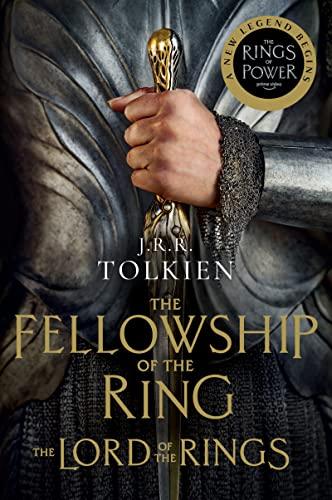
The Fellowship of the Ring

by J.R.R. Tolkien

4.5(604k)

Where The Hobbit planted the seed, The Fellowship of the Ring grew it into something enormous. Tolkien's first Lord of the Rings volume builds a world every bit as deep as Westeros, complete with thousands of years of history, distinct cultures, and a map you'll reference constantly. The key difference is that Tolkien draws clearer lines between good and evil, while Martin blurs them. But if you're among the readers who loved A Game of Thrones for its sweeping scale and the feeling of a continent-spanning conflict pulling dozens of characters into its orbit, Fellowship delivers that same epic momentum. The Council of Elrond scene alone is a masterclass in political tension between factions with competing agendas, something any Game of Thrones fan will recognize instantly. Tolkien also isn't afraid to put his characters through genuine loss and hardship, even if the stakes feel different from Martin's brand of brutality.

Sauron, the Dark Lord, has gathered to him all the Rings of Power – the means by which he intends to rule Middle-earth. All he lacks in his plans for dominion is the One Ring – the ring that rules them all – which has fallen into the hands of the hobbit, Bilbo Baggins. In a sleepy village in the Shire, young Frodo Baggins finds himself faced with an immense task, as his elderly cousin Bilbo entrusts the Ring to his care. Frodo must leave his home and make a perilous journey across Middle-earth to the Cracks of Doom, there to destroy the Ring and foil the Dark Lord in his evil purpose.

Harry Potter and the Philosopher's Stone
3

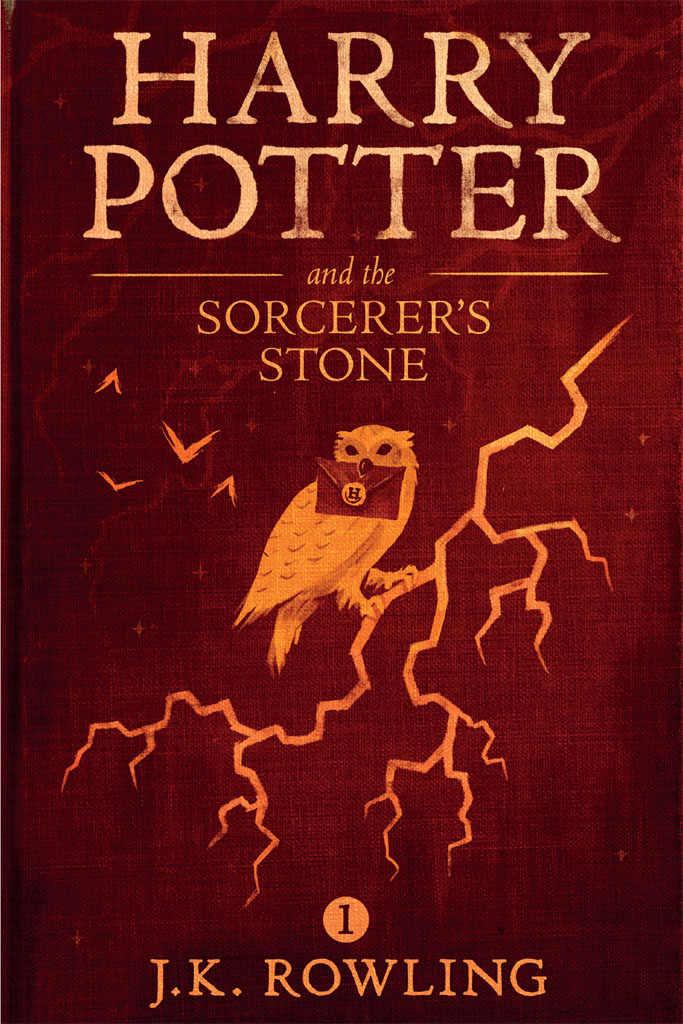
Harry Potter and the Philosopher's Stone

by J.K. Rowling

4.4(2287k)

This might seem like an unusual pick for readers searching for books like Game of Thrones, but hear me out. Rowling built a hidden world inside our own that operates with its own government, economy, prejudices, and class system. The pure-blood politics of the wizarding world mirror the house rivalries of Westeros more than you'd expect: old families jockeying for status, institutional corruption, and a society that sorts people into factions from childhood. Philosopher's Stone is the entry point, and while its tone is younger and more hopeful than Martin's, the series grows progressively darker and more politically complex with each book. Harry's journey from wide-eyed newcomer to someone navigating a world full of lies, manipulation, and real danger has structural parallels to the Stark children being thrown into the brutal politics of King's Landing. If you loved how Game of Thrones built its world piece by piece across chapters, Rowling does the same thing with Diagon Alley, Hogwarts, and the Ministry of Magic.

An alternative cover for this ASIN can be found here "Turning the envelope over, his hand trembling, Harry saw a purple wax seal bearing a coat of arms; a lion, an eagle, a badger and a snake surrounding a large letter 'H'." Harry Potter has never even heard of Hogwarts when the letters start dropping on the doormat at number four, Privet Drive. Addressed in green ink on yellowish parchment with a purple seal, they are swiftly confiscated by his grisly aunt and uncle. Then, on Harry's eleventh birthday, a great beetle-eyed giant of a man called Rubeus Hagrid bursts in with some astonishing news: Harry Potter is a wizard, and he has a place at Hogwarts School of Witchcraft and Wizardry. An incredible adventure is about to begin!

Eragon
4

Eragon

by Christopher Paolini

4.0(1943k)

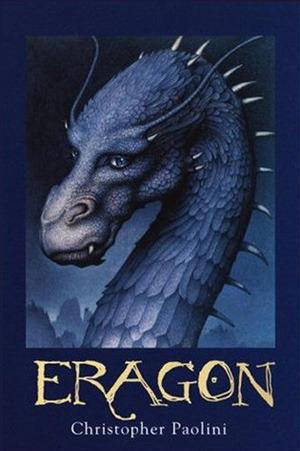
Christopher Paolini wrote Eragon at fifteen, and that youthful energy gives the book a propulsive, adventure-first feel that scratches the same itch as the early Daenerys chapters in Game of Thrones. A farm boy discovers a dragon egg, bonds with the creature that hatches, and gets pulled into a rebellion against a tyrant king. The parallels to Martin's work show up in the political structure: an empire held together by fear, resistance fighters operating in secret, and ancient powers (the Dragon Riders) whose fall reshaped the entire world. Paolini also built an impressively detailed world with its own languages, races, and history, clearly drawing from the Tolkien tradition that Martin also inherited. The coming-of-age arc gives Eragon a different emotional register than Game of Thrones, but readers who loved watching characters like Jon Snow or Arya grow into their power will find a similar satisfaction here. It's epic fantasy that takes its worldbuilding seriously and isn't afraid to put its young hero through real hardship.

An alternate cover edition for ISBN 9780375826696 can be found here. One boy... One dragon... A world of adventure. When Eragon finds a polished blue stone in the forest, he thinks it is the lucky discovery of a poor farm boy; perhaps it will buy his family meat for the winter. But when the stone brings a dragon hatchling, Eragon soon realizes he has stumbled upon a legacy nearly as old as the Empire itself. Overnight his simple life is shattered, and he is thrust into a perilous new world of destiny, magic, and power. With only an ancient sword and the advice of an old storyteller for guidance, Eragon and the fledgling dragon must navigate the dangerous terrain and dark enemies of an Empire ruled by a king whose evil knows no bounds. Can Eragon take up the mantle of the legendary Dragon Riders? The fate of the Empire may rest in his hands.

Dune
5

Dune

by Frank Herbert

4.3(893k)

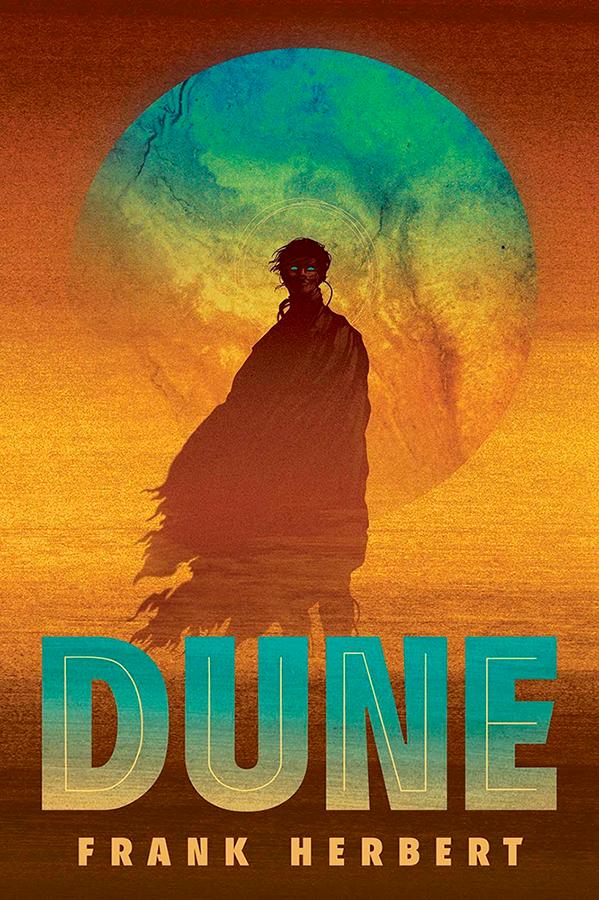
If you stripped Game of Thrones of its medieval setting and dropped its political intrigue onto a desert planet, you'd get something remarkably close to Dune. Frank Herbert's 1965 masterpiece is built on the same foundation Martin used: noble houses locked in a deadly power struggle, where alliances shift constantly and betrayal is just another political tool. House Atreides and House Harkonnen have the same bitter, generational rivalry as the Starks and Lannisters, and the fight over the spice melange on Arrakis carries stakes as high as any battle for the Iron Throne. Herbert also shares Martin's talent for making every character feel like they have their own agenda; nobody is a simple pawn. The prophecy and messianic elements add a layer that Game of Thrones mostly avoids, but Paul Atreides is a morally complex protagonist in the same way that Jaime Lannister or Tyrion are. For readers who loved the scheming, the faction warfare, and the sense that power always comes at a terrible cost, Dune is essential reading.

Set on the desert planet Arrakis, Dune is the story of the boy Paul Atreides, heir to a noble family tasked with ruling an inhospitable world where the only thing of value is the “spice” melange, a drug capable of extending life and enhancing consciousness. Coveted across the known universe, melange is a prize worth killing for... When House Atreides is betrayed, the destruction of Paul’s family will set the boy on a journey toward a destiny greater than he could ever have imagined. And as he evolves into the mysterious man known as Muad’Dib, he will bring to fruition humankind’s most ancient and unattainable dream.

Get Notified When These Books Go Free

Join 50,000+ readers who get handpicked free and discounted Kindle books delivered to their inbox every day.

Sign Up Free
The Hunger Games
6

The Hunger Games

by Suzanne Collins

4.3(9924k)

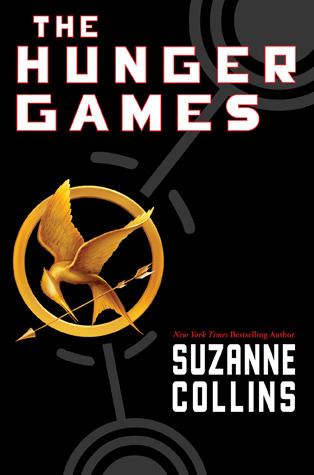
Suzanne Collins wrote a book where children are forced to kill each other on live television, and the government treats it as entertainment. That brutal premise shares more with Game of Thrones than you might expect. Both stories are fundamentally about how power systems crush individuals, how propaganda shapes reality, and what happens when ordinary people are forced into extraordinary violence. Katniss Everdeen isn't a warrior by choice any more than Arya Stark was; both are shaped by the cruelty of the worlds they inhabit. Collins also refuses to let her characters escape consequences. Victories come at real psychological and physical cost, and the story never pretends that violence is glamorous. If you liked Game of Thrones for its refusal to sugarcoat what war and political oppression do to people, The Hunger Games operates with the same honesty in a different setting. The pacing is relentless, the stakes are genuinely life-or-death from page one, and the political rebellion arc in the later books echoes the kind of large-scale factional conflict that defines Martin's series.

Winning means fame and fortune. Losing means certain death. The Hunger Games have begun. . . . In the ruins of a place once known as North America lies the nation of Panem, a shining Capitol surrounded by twelve outlying districts. The Capitol is harsh and cruel and keeps the districts in line by forcing them all to send one boy and one girl between the ages of twelve and eighteen to participate in the annual Hunger Games, a fight to the death on live TV. Sixteen-year-old Katniss Everdeen regards it as a death sentence when she steps forward to take her sister's place in the Games. But Katniss has been close to dead before-and survival, for her, is second nature. Without really meaning to, she becomes a contender. But if she is to win, she will have to start making choices that weigh survival against humanity and life against love.

Harry Potter and the Prisoner of Azkaban
7

Harry Potter and the Prisoner of Azkaban

by J.K. Rowling

4.6(4580k)

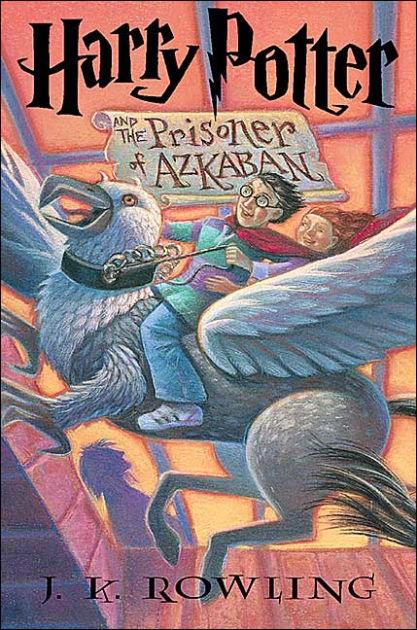
Prisoner of Azkaban is where the Harry Potter series shifts gears, and it's that shift that earns it a separate spot on this list for readers looking for books similar to Game of Thrones. The tone darkens considerably: Dementors drain happiness from the world, a convicted murderer is hunting Harry, and the story reveals that the adults Harry trusted have been keeping enormous secrets. That sense of the world being more complicated and more dangerous than you first believed mirrors the experience of reading Game of Thrones, where every new chapter peels back another layer of deception. Rowling also introduces the Marauder's Map and the Time-Turner, expanding the magical world in ways that make it feel deeper and more interconnected. The twist involving Sirius Black, Peter Pettigrew, and Remus Lupin is the kind of morally complex revelation that Martin fans love: nothing is as simple as it first appeared, and the real villain was hiding in plain sight. It's the book where Rowling proved she could write genuine tension, not just charm.

Harry Potter, along with his best friends, Ron and Hermione, is about to start his third year at Hogwarts School of Witchcraft and Wizardry. Harry can't wait to get back to school after the summer holidays. (Who wouldn't if they lived with the horrible Dursleys?) But when Harry gets to Hogwarts, the atmosphere is tense. There's an escaped mass murderer on the loose, and the sinister prison guards of Azkaban have been called in to guard the school...

The Name of the Wind
8

The Name of the Wind

by Patrick Rothfuss

4.5(952k)

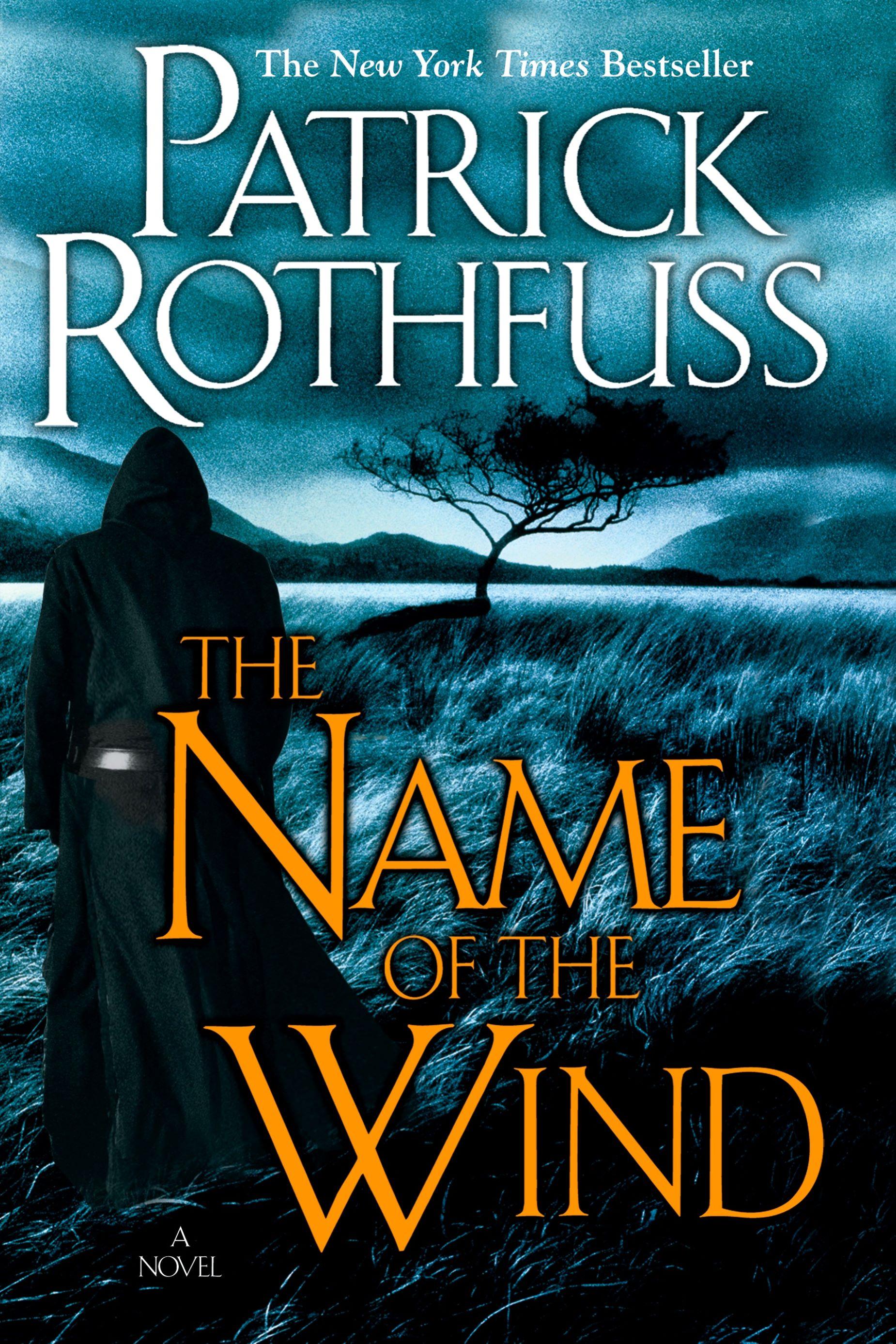
Patrick Rothfuss built Kvothe as the kind of character George R.R. Martin would appreciate: brilliant, flawed, self-destructive, and completely convinced of his own legend. The Name of the Wind is structured as Kvothe telling his own life story to a chronicler, and that unreliable narrator framework means you're never quite sure how much to believe. That layered storytelling will feel familiar to Game of Thrones readers who learned early that every character's version of events serves their own agenda. Rothfuss also created one of fantasy's most compelling magic systems, where understanding the true names of things grants power over them. The world feels as carefully constructed as Westeros, with its own university, political factions, mythology, and history. Kvothe's journey from orphaned street kid to legendary figure carries genuine tragedy throughout; this is not a story where talent guarantees a happy ending. If you loved the character complexity and the sense of a world with deep lore in Game of Thrones, Rothfuss delivers both in abundance.

Told in Kvothe's own voice, this is the tale of the magically gifted young man who grows to be the most notorious wizard his world has ever seen. The intimate narrative of his childhood in a troupe of traveling players, his years spent as a near-feral orphan in a crime-ridden city, his daringly brazen yet successful bid to enter a legendary school of magic, and his life as a fugitive after the murder of a king form a gripping coming-of-age story unrivaled in recent literature. A high-action story written with a poet's hand, The Name of the Wind is a masterpiece that will transport readers into the body and mind of a wizard.

1984
9

1984

by George Orwell

4.2(1791k)

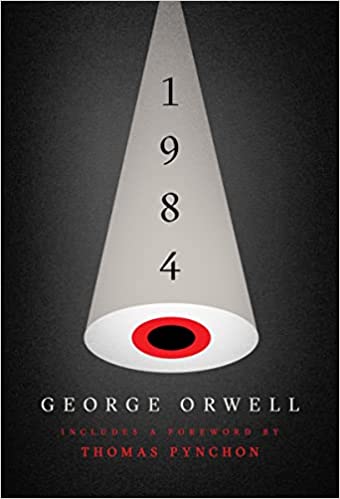
George Orwell's 1984 isn't fantasy, but it shares Game of Thrones' obsession with how power operates and how thoroughly it can corrupt. The Party in 1984 controls not just behavior but thought itself, and that totalitarian grip on reality has uncomfortable echoes in the way Cersei Lannister manipulates court politics or the way the Faith Militant seizes ideological control. Winston Smith's doomed attempt to resist a system far bigger than himself carries the same bleak, no-one-is-safe energy that defines Martin's storytelling. Orwell also understood something Martin understands perfectly: the people in power will rewrite history to suit their needs, and most of the population will go along with it. If you loved Game of Thrones for its cynical, clear-eyed view of politics and its refusal to pretend that good intentions are enough to win, 1984 takes that same worldview to its logical extreme. It's a short, devastating read that will change how you think about every power struggle you encounter in fiction afterward.

A masterpiece of rebellion and imprisonment where war is peace freedom is slavery and Big Brother is watching. Thought Police, Big Brother, Orwellian - these words have entered our vocabulary because of George Orwell's classic dystopian novel 1984. The story of one man's Nightmare Odyssey as he pursues a forbidden love affair through a world ruled by warring states and a power structure that controls not only information but also individual thought and memory 1984 is a prophetic haunting tale More relevant than ever before 1984 exposes the worst crimes imaginable the destruction of truth freedom and individuality. With a foreword by Thomas Pynchon. This beautiful paperback edition features deckled edges and french flaps a perfect gift for any occasion Alternate cover edition can be found here.

The Golden Compass
10

The Golden Compass

by Philip Pullman

4.0(1528k)

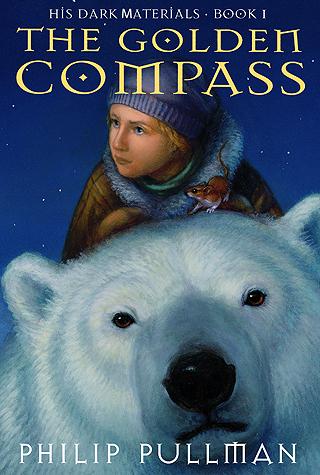
Philip Pullman's The Golden Compass builds a world where the church functions as a political superpower, conducting secret experiments on children and suppressing knowledge that threatens its authority. That collision between institutional power and individual freedom runs through Game of Thrones as well, from the Faith of the Seven to the maesters of the Citadel. Lyra Belacqua is a heroine in the Arya Stark mold: fierce, clever, and willing to lie her way out of danger when the adults around her can't be trusted. Pullman also constructed a world with real depth and strangeness. Daemons (the external animal manifestations of people's souls), alethiometers, and armoured bears aren't just window dressing; they're woven into the culture, politics, and theology of his world in ways that reward close reading. The story grows increasingly complex and morally challenging as the trilogy progresses, dealing with themes of authority, free will, and sacrifice that feel genuinely weighty. If you liked Game of Thrones for its willingness to challenge comfortable assumptions and put children through harrowing circumstances, Pullman's work matches that intensity with its own distinctive voice.

Lyra is rushing to the cold, far North, where witch clans and armored bears rule. North, where the Gobblers take the children they steal--including her friend Roger. North, where her fearsome uncle Asriel is trying to build a bridge to a parallel world. Can one small girl make a difference in such great and terrible endeavors? This is Lyra: a savage, a schemer, a liar, and as fierce and true a champion as Roger or Asriel could want--but what Lyra doesn't know is that to help one of them will be to betray the other.

Finding books similar to Game of Thrones means different things to different readers. Some of you want the political backstabbing and moral ambiguity. Others want that massive, immersive world you can lose yourself in for weeks. And some of you just want a story with real stakes, where the author isn't afraid to let characters face genuine consequences. The ten picks above cover all of those angles, from classic epic fantasy to dystopian fiction that shares Martin's obsession with how power corrupts.

If you liked Game of Thrones for its willingness to subvert expectations and treat its readers like adults, you'll find plenty to love on this list. Start with whichever description speaks to the specific craving you're feeling right now, and don't be afraid to venture outside pure fantasy. Some of the best companions to Martin's work come from genres you might not expect.

Never Miss a Free Kindle Book

We track thousands of Kindle books daily and alert you when they drop to free. Join 50,000+ readers getting the best deals.

Sign Up Free

Prefer free books on the go?

The Free Books for Kindle app gives you daily free book alerts, genre filtering, push notifications and zero ads.

Get the App