The Picture of Dorian Gray
by Oscar Wilde
Oscar Wilde's novella inverts Frankenstein's central conceit: instead of a creator abandoning his creation, Wilde presents a creation that grows increasingly monstrous as its creator corrupts. Dorian Gray's portrait becomes the external manifestation of his internal decay, a visible record of his moral abandonment. Like Frankenstein's creature, the portrait cannot speak or defend itself, yet it speaks volumes about the cruelty and vanity of its originator. Wilde, like Shelley, explores how desire and selfishness warp the soul, and how beauty can mask profound ugliness. Both works question whether monsters are born or made, and both suggest that the real horror lies not in appearance but in the capacity for human cruelty.
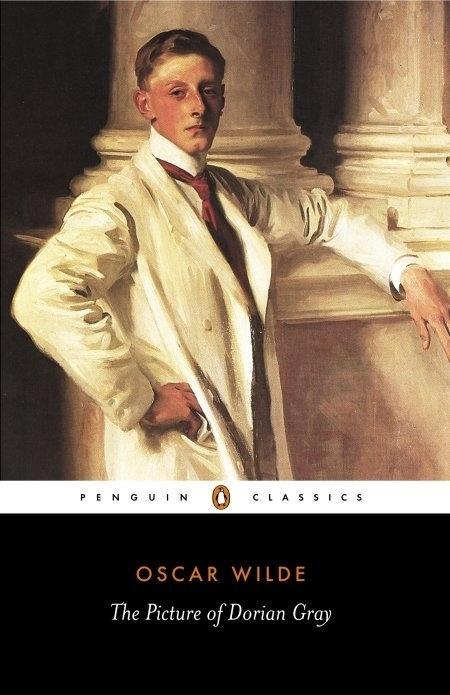
'The horror, whatever it was, had not yet entirely spoiled that marvellous beauty' Enthralled by his own exquisite portrait, Dorian Gray exchanges his soul for eternal youth and beauty. Influenced by his friend Lord Henry Wotton, he is drawn into a corrupt double life, indulging his desires in secret while remaining a gentleman in the eyes of polite society. Only his portrait bears the traces of his decadence. The Picture of Dorian Gray was a succès de scandale. Early readers were shocked by its hints at unspeakable sins, and the book was later used as evidence against Wilde at the Old Bailey in 1895. This definitive edition includes a selection of contemporary reviews condemning the novel's immorality, and the introduction to the first Penguin Classics edition by Peter Ackroyd.
View on Amazon