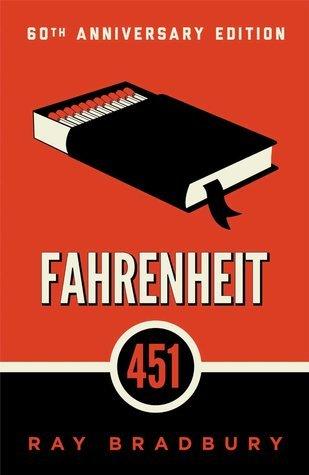
Fahrenheit 451

15 Books Like Fahrenheit 451 by Ray Bradbury

by Ray Bradbury

4.0(3021k)

Fahrenheit 451 stands as a searing indictment of censorship, conformity, and the erosion of critical thought. Ray Bradbury's vision of a society that burns books rather than preserves them feels increasingly prescient in an age of information overload and cultural polarization. The novel's power lies not just in its dystopian premise, but in Guy Montag's personal journey from complicit enforcer to reluctant rebel. He grapples with fundamental questions about knowledge, individuality, and what it means to resist when the entire system is designed to enforce compliance.

Readers drawn to Fahrenheit 451 typically seek stories that interrogate power structures, explore the cost of conformity, or chronicle the awakening of conscience in corrupt systems. They appreciate narratives that treat ideas as battlegrounds and recognize that intellectual freedom is fragile. The following selections share Bradbury's conviction that literature matters, that authority demands questioning, and that individuals possess moral agency even when society insists otherwise.

Whether through totalitarian surveillance, social control, class oppression, or institutional violence, these books echo Fahrenheit 451's central concern: what happens when those in power fear what ordinary people might think or become if left to their own devices. Each offers a different lens on resistance, corruption, and the enduring human need for autonomy and truth.

These recommendations span genres from classic dystopian fiction to psychological thrillers to literary realism. They share a thematic backbone with Bradbury's work while offering distinct perspectives on surveillance, power, and the individual's place within larger systems.

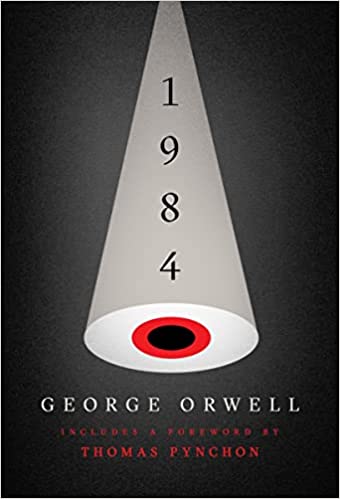
1984
1

1984

by George Orwell

4.2(1791k)

Orwell's totalitarian Oceania makes Bradbury's future America seem almost quaint by comparison. While Fahrenheit 451 focuses on burning physical books, 1984 depicts a state that rewrites history itself, controlling not just what people can read but the very language available for independent thought. Winston Smith's doomed rebellion against Big Brother reveals the psychological machinery of absolute control in ways that deepen your understanding of Montag's choices. If Fahrenheit 451 asks what happens when books disappear, 1984 asks what happens when truth becomes whatever the state declares it to be.

A masterpiece of rebellion and imprisonment where war is peace freedom is slavery and Big Brother is watching. Thought Police, Big Brother, Orwellian - these words have entered our vocabulary because of George Orwell's classic dystopian novel 1984. The story of one man's Nightmare Odyssey as he pursues a forbidden love affair through a world ruled by warring states and a power structure that controls not only information but also individual thought and memory 1984 is a prophetic haunting tale More relevant than ever before 1984 exposes the worst crimes imaginable the destruction of truth freedom and individuality. With a foreword by Thomas Pynchon. This beautiful paperback edition features deckled edges and french flaps a perfect gift for any occasion Alternate cover edition can be found here.
Animal Farm
2

Animal Farm

by George Orwell

4.1(2275k)

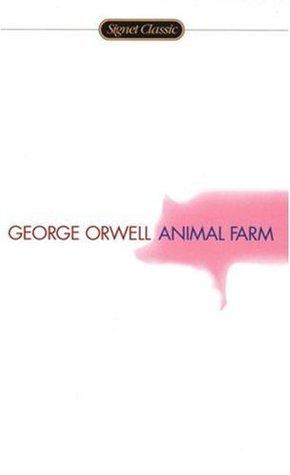
Orwell's allegory operates in Fahrenheit 451's thematic neighborhood but through a different door. Where Bradbury depicts a consumer society that has collectively abandoned books, Animal Farm traces how revolutionary ideals become instruments of oppression. The pigs' gradual seizure of power and rewriting of history parallels the gradual erosion of critical thinking in Bradbury's world. Both novels warn that the greatest threat to freedom often comes wrapped in the language of progress or protection, making them perfect companion reads.

Animal Farm is the most famous by far of all twentieth-century political allegories. Its account of a group of barnyard animals who revolt against their vicious human master, only to submit to a tyranny erected by their own kind, can fairly be said to have become a universal drama. Orwell is one of the very few modern satirists comparable to Jonathan Swift in power, artistry, and moral authority; in animal farm his spare prose and the logic of his dark comedy brilliantly highlight his stark message. Taking as his starting point the betrayed promise of the Russian Revolution, Orwell lays out a vision that, in its bitter wisdom, gives us the clearest understanding we possess of the possible consequences of our social and political acts.

Lord of the Flies
3

Lord of the Flies

by William Golding

3.7(3117k)

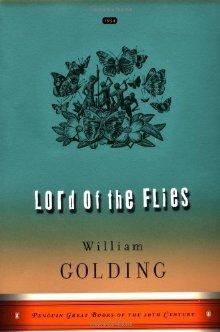
Golding's marooned boys face a version of Montag's core dilemma: how to maintain civilized values when the structures supporting them have collapsed. Without books, law, or adult authority, they descend into tyranny and violence. The novel's power comes from showing that oppression doesn't require a distant state apparatus; it erupts spontaneously when people abandon reason for fear. Like Fahrenheit 451, it argues that intellectual restraint and critical thinking are not luxuries but necessities of human society.

At the dawn of the next world war, a plane crashes on an uncharted island, stranding a group of schoolboys. At first, with no adult supervision, their freedom is something to celebrate; this far from civilization the boys can do anything they want. Anything. They attempt to forge their own society, failing, however, in the face of terror, sin and evil. And as order collapses, as strange howls echo in the night, as terror begins its reign, the hope of adventure seems as far from reality as the hope of being rescued. Labeled a parable, an allegory, a myth, a morality tale, a parody, a political treatise, even a vision of the apocalypse, Lord of the Flies is perhaps our most memorable novel about “the end of innocence, the darkness of man’s heart.”

View on Amazon
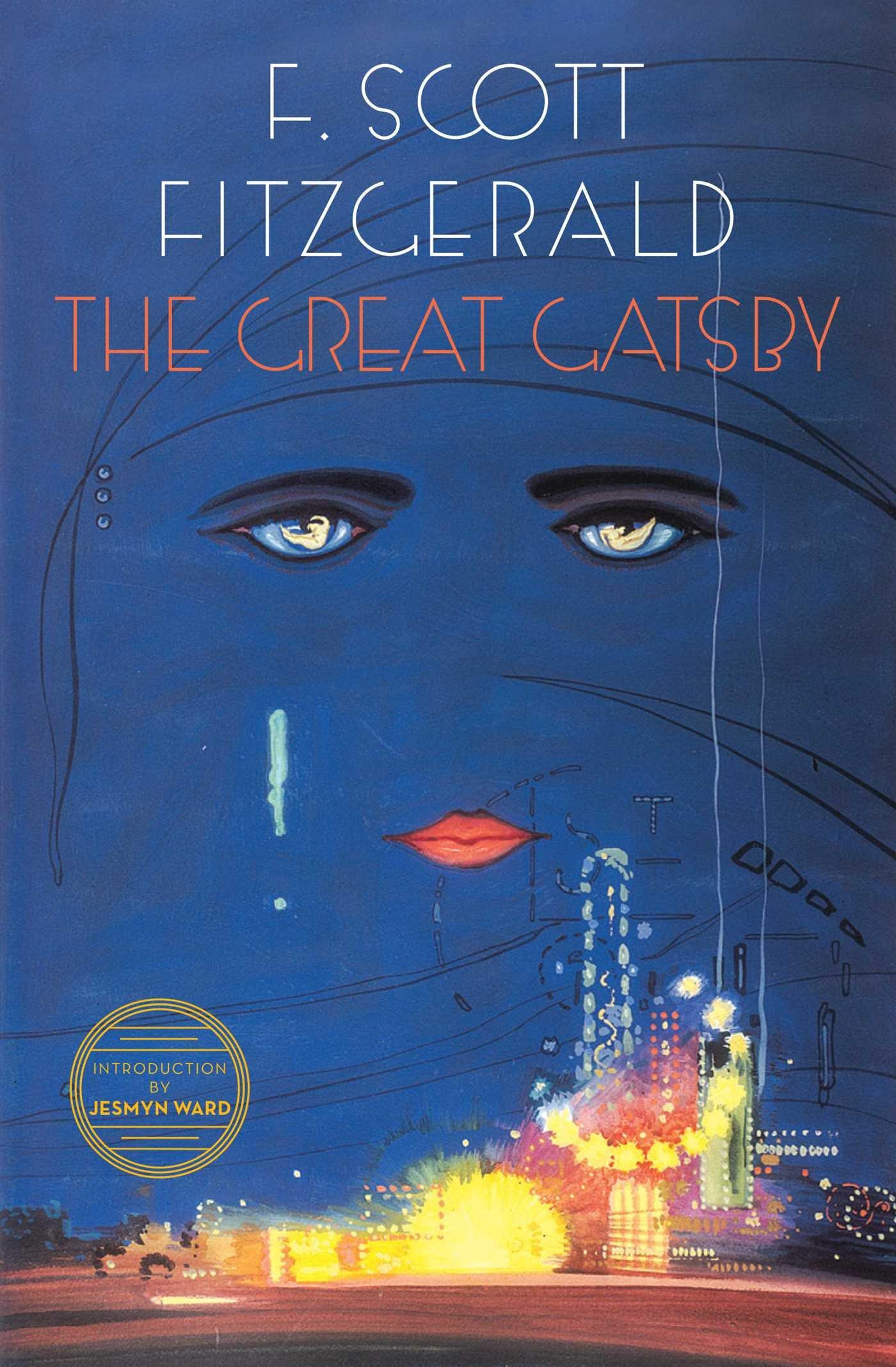
The Great Gatsby
4

The Great Gatsby

by F. Scott Fitzgerald

3.9(700k)

Fitzgerald's Jazz Age masterpiece shares Fahrenheit 451's diagnosis that American society has exchanged substance for spectacle. Gatsby's parties are the flipside of Montag's television-dazed neighbors: elaborate distractions masking spiritual emptiness. Both novels portray cultures so saturated with surface pleasures that deeper human needs atrophy. Where Bradbury's firemen burn books, Gatsby's world simply ignores the quiet, serious truths that art and literature preserve.

Alternate covers of this ISBN can be found here, here and here. James L. W. West III to include the author’s final revisions and features a note on the composition and text, a personal foreword by Fitzgerald’s granddaughter, Eleanor Lanahan—and a new introduction by two-time National Book Award winner Jesmyn Ward. The Great Gatsby, F. Scott Fitzgerald’s third book, stands as the supreme achievement of his career. First published in 1925, this quintessential novel of the Jazz Age has been acclaimed by generations of readers. The story of the mysteriously wealthy Jay Gatsby and his love for the beautiful Daisy Buchanan, of lavish parties on Long Island at a time when The New York Times noted “gin was the national drink and sex the national obsession,” it is an exquisitely crafted tale of America in the 1920s.

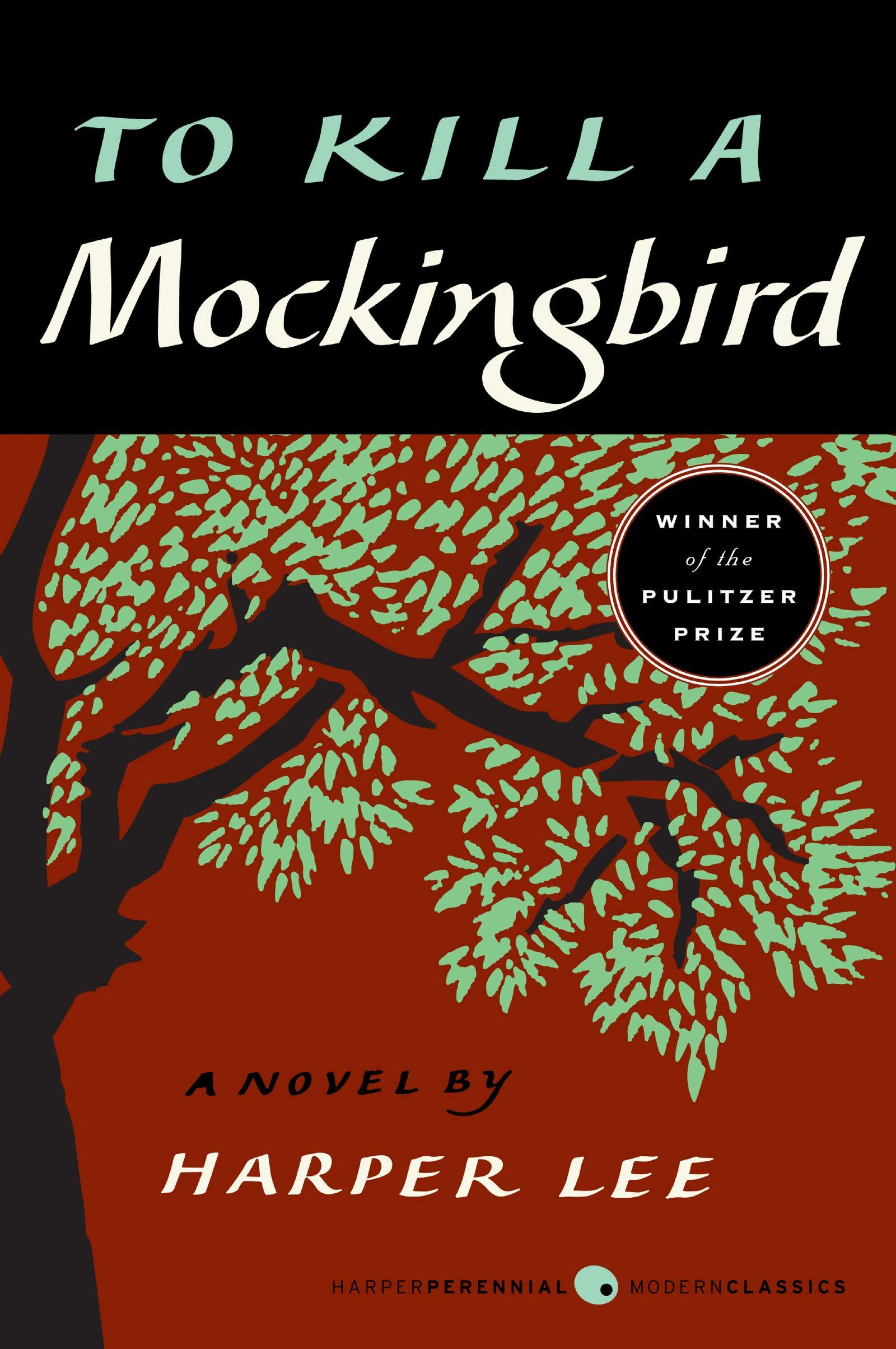
To Kill a Mockingbird
5
4.2(740k)

Harper Lee's account of moral awakening in a racist town mirrors Montag's journey from complicity to conscience. Scout and Jem begin the novel accepting their society's assumptions, just as Montag accepts his role as a book-burner. Through Atticus Finch's patient reasoning and the trial's terrible clarity, they learn to see beneath social conventions to underlying injustices. Like Fahrenheit 451, the novel demonstrates that moral courage often means standing against the consensus of your community.

One of the best-loved stories of all time, To Kill a Mockingbird has been translated into more than forty languages, sold more than forty million copies worldwide, served as the basis for an enormously popular motion picture, and was voted one of the best novels of the twentieth century by librarians across the country. A gripping, heart-wrenching, and wholly remarkable coming-of-age tale in a South poisoned by virulent prejudice, it views a world of great beauty and savage iniquities through the eyes of a young girl, as her father — a crusading local lawyer — risks everything to defend a black man unjustly accused of a terrible crime.

View on Amazon

Get Notified When These Books Go Free

Join 50,000+ readers who get handpicked free and discounted Kindle books delivered to their inbox every day.

Sign Up Free
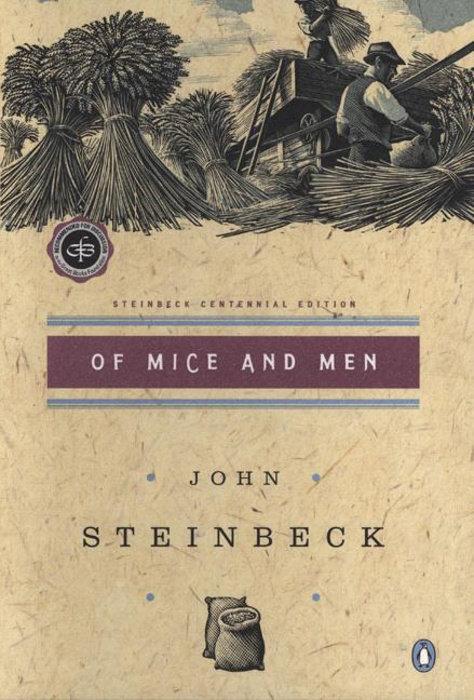
Of Mice and Men
6

Of Mice and Men

by John Steinbeck

3.9(2789k)

Steinbeck's tragedy of two migrant workers shares Bradbury's concern with vulnerability in uncaring systems. George and Lennie are destroyed not by an overt dystopia but by economic forces, institutional indifference, and society's willingness to sacrifice those who don't fit its mold. Where Fahrenheit 451 burns books, Of Mice and Men shows how societies can grind down the powerless without dramatic gestures. Both reveal that oppression operates through normalized cruelty as much as through spectacular censorship.

“I got you to look after me, and you got me to look after you, and that's why.” They are an unlikely pair: George is "small and quick and dark of face"; Lennie, a man of tremendous size, has the mind of a young child. Yet they have formed a "family," clinging together in the face of loneliness and alienation. Laborers in California's dusty vegetable fields, they hustle work when they can, living a hand-to-mouth existence. But George and Lennie have a plan: to own an acre of land and a shack they can call their own. While the powerlessness of the laboring class is a recurring theme in Steinbeck's work of the late 1930s, he narrowed his focus when composing Of Mice and Men, creating an intimate portrait of two men facing a world marked by petty tyranny, misunderstanding, jealousy, and callousness. But though the scope is narrow, the theme is universal: a friendship and a shared dream that makes an individual's existence meaningful. A unique perspective on life's hardships, this story has achieved the status of timeless classic due to its remarkable success as a novel, a Broadway play, and three acclaimed films.

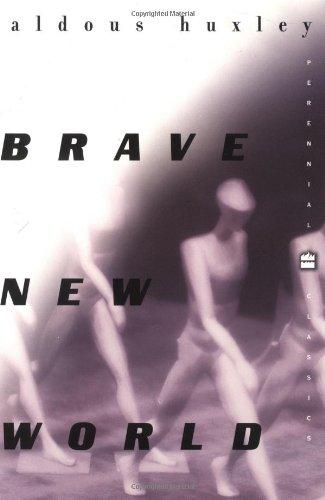
Brave New World
7

Brave New World

by Aldous Huxley

4.0(1925k)

Huxley's chemically induced happiness presents the flip side of Bradbury's dystopia. Where Montag's world uses distraction and propaganda, Huxley's uses biological manipulation to prevent even the desire for freedom. Both novels argue that a population sedated into contentment is a population without agency or truth. Comparing them reveals that totalitarianism doesn't always require violence; sometimes it just requires convincing people they don't want what they've been denied.

Brave New World is a dystopian social science fiction novel by English author Aldous Huxley. Largely set in a futuristic World State, whose citizens are environmentally engineered into an intelligence-based social hierarchy, the novel anticipates huge scientific advancements in reproductive technology, sleep-learning, psychological manipulation and classical conditioning that are combined to make a dystopian society which is challenged by only a single individual: the story's protagonist.

View on Amazon
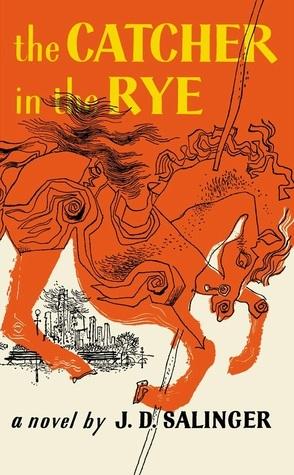
The Catcher in the Rye
8

The Catcher in the Rye

by J.D. Salinger

3.8(3779k)

Holden Caulfield's obsession with phoniness echoes Montag's growing revulsion at the hollow conformity surrounding him. Where Montag begins to question why books matter, Holden questions why people accept the lies built into everyday life. Both protagonists are isolated and alienated from their societies, struggling to articulate what they sense is missing. Salinger's novel shows that the refusal to participate in falsehood can be lonely but also morally clarifying.

It's Christmas time and Holden Caulfield has just been expelled from yet another school... Fleeing the crooks at Pencey Prep, he pinballs around New York City seeking solace in fleeting encounters—shooting the bull with strangers in dive hotels, wandering alone round Central Park, getting beaten up by pimps and cut down by erstwhile girlfriends. The city is beautiful and terrible, in all its neon loneliness and seedy glamour, its mingled sense of possibility and emptiness. Holden passes through it like a ghost, thinking always of his kid sister Phoebe, the only person who really understands him, and his determination to escape the phonies and find a life of true meaning. The Catcher in the Rye is an all-time classic in coming-of-age literature- an elegy to teenage alienation, capturing the deeply human need for connection and the bewildering sense of loss as we leave childhood behind. J.D. Salinger's (1919–2010) classic novel of teenage angst and rebellion was first published in 1951. The novel was included on Time's 2005 list of the 100 best English-language novels written since 1923. It was named by Modern Library and its readers as one of the 100 best English-language novels of the 20th century. It has been frequently challenged in the court for its liberal use of profanity and portrayal of sexuality and in the 1950's and 60's it was the novel that every teenage boy wants to read.

View on Amazon
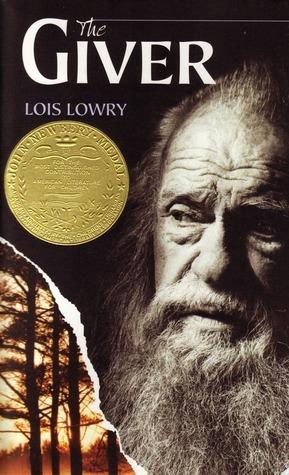
The Giver
9

The Giver

by Lois Lowry

4.1(2804k)

Lowry's seemingly placid community, where memory has been eliminated and choice abolished, presents childhood-facing version of Fahrenheit 451's fears. Like Bradbury's firefiremen, the elders control knowledge to maintain stability. Jonas's growing awareness that his world is a comfortable prison directly parallels Montag's awakening. Both novels insist that freedom and authentic humanity require the burden of memory, history, and difficult truths.

At the age of twelve, Jonas, a young boy from a seemingly utopian, futuristic world, is singled out to receive special training from The Giver, who alone holds the memories of the true joys and pain of life.

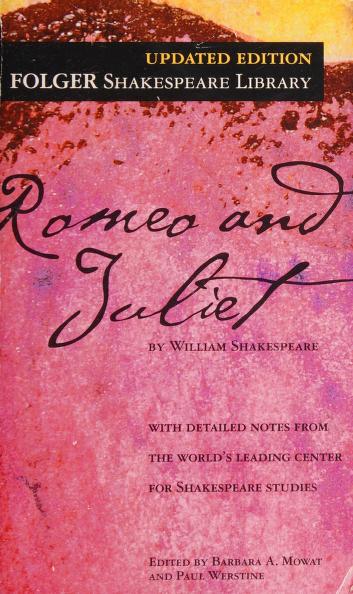
Romeo and Juliet
10

Romeo and Juliet

by William Shakespeare

3.8(210k)

Shakespeare's tragic lovers are destroyed by a society that values family loyalty and social order over individual choice and truth. Like Montag, Romeo and Juliet must choose between conformity and authenticity, knowing the choice will cost them dearly. The play's tragic authority comes from showing that even love and reason cannot survive in a world that forbids them. In this way, it shares Fahrenheit 451's conviction that societies that eliminate dangerous ideas eliminate their own future.

This updated edition includes: • Newly re-edited play text and revised commentary notes • Scene-by-scene plot summaries • A key to the play's famous lines and phrases • An introduction to reading Shakespeare's language • An essay by a leading Shakespeare scholar providing a modern perspective on the play • Fresh images from the Folger Shakespeare Library's vast holdings of rare books • An up-to-date annotated guide to further reading

View on Amazon
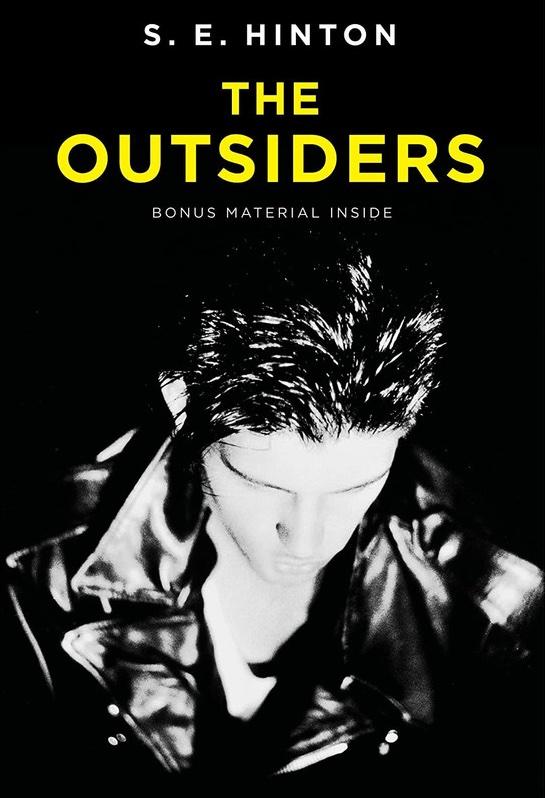
The Outsiders
11

The Outsiders

by S.E. Hinton

4.2(258k)

Ponyboy Curtis lives in a world structured by rigid social categories that determine who belongs and who must be destroyed. Like Montag, he begins as an accepted member of the system before recognizing its injustice. The Greasers' vulnerability to violence by the Socs and the police parallels the vulnerability of anyone who questions authority in Bradbury's future. Hinton's novel shows that oppression often wears the face of social convention rather than explicit tyranny.

No one ever said life was easy. But Ponyboy is pretty sure that he's got things figured out. He knows that he can count on his brothers, Darry and Sodapop. And he knows that he can count on his friends - true friends who would do anything for him, like Johnny and Two-Bit. And when it comes to the beating up on "greasers" like him and his friends - he knows that he can count on them for trouble. But one night someone takes things too far, and Ponyboy's world is turned upside down...

The Picture of Dorian Gray
12
4.2(305k)

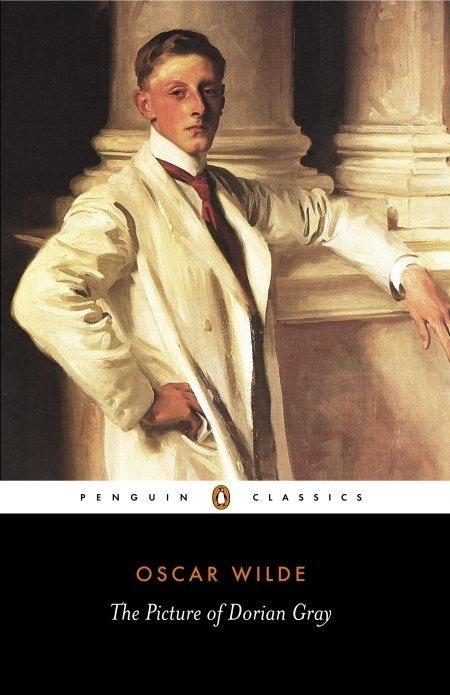
Wilde's novel explores what happens when a society worships beauty and youth while denying mortality and moral consequence. Dorian's corruption parallels the moral corruption of Bradbury's consumer society: both pursue pleasure and avoid truth until their spiritual bankruptcy becomes undeniable. Like Montag, Dorian eventually recognizes that his world has made him complicit in something deeply wrong, though his moment of awareness comes too late.

'The horror, whatever it was, had not yet entirely spoiled that marvellous beauty' Enthralled by his own exquisite portrait, Dorian Gray exchanges his soul for eternal youth and beauty. Influenced by his friend Lord Henry Wotton, he is drawn into a corrupt double life, indulging his desires in secret while remaining a gentleman in the eyes of polite society. Only his portrait bears the traces of his decadence. The Picture of Dorian Gray was a succès de scandale. Early readers were shocked by its hints at unspeakable sins, and the book was later used as evidence against Wilde at the Old Bailey in 1895. This definitive edition includes a selection of contemporary reviews condemning the novel's immorality, and the introduction to the first Penguin Classics edition by Peter Ackroyd.

View on Amazon
Frankenstein
13

Frankenstein

by Mary Wollstonecraft Shelley

4.0(886k)

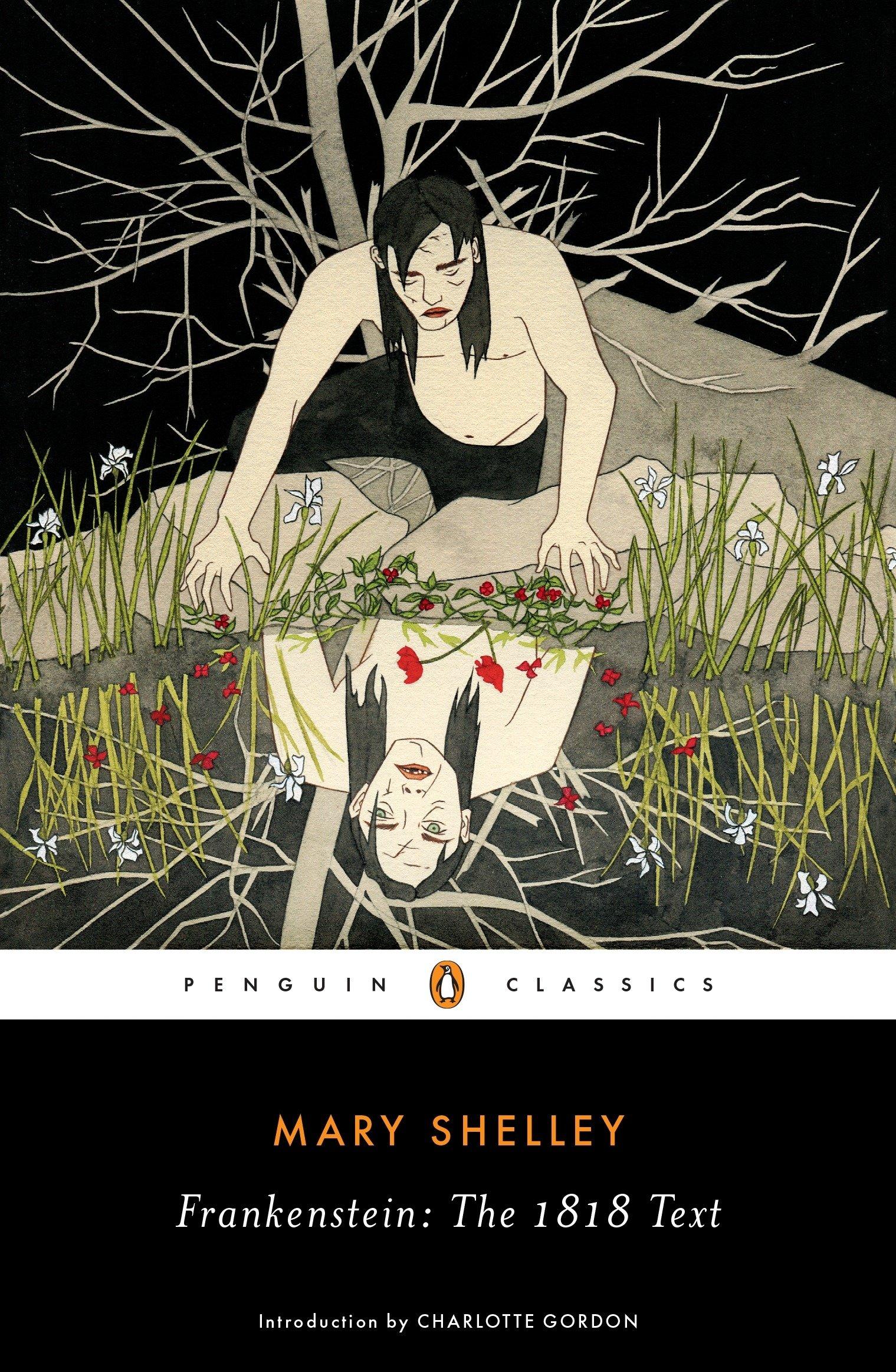
Mary Shelley's novel examines what happens when knowledge is pursued recklessly and society judges the creator rather than understanding the creation. Victor Frankenstein's isolation and his creature's rejection by civilization mirror the isolation of anyone who thinks differently in Montag's world. Both the novel and Fahrenheit 451 suggest that communities that fear knowledge and reject the unconventional ultimately destroy themselves.

Mary Shelley's seminal novel of the scientist whose creation becomes a monster. This edition is the original 1818 text, which preserves the hard-hitting and politically charged aspects of Shelley's original writing, as well as her unflinching wit and strong female voice. This edition also includes a new introduction and suggestions for further reading by author and Shelley expert Charlotte Gordon, literary excerpts and reviews selected by Gordon and a chronology and essay by preeminent Shelley scholar Charles E. Robinson.

View on Amazon
The Metamorphosis
14

The Metamorphosis

by Franz Kafka

3.9(1206k)

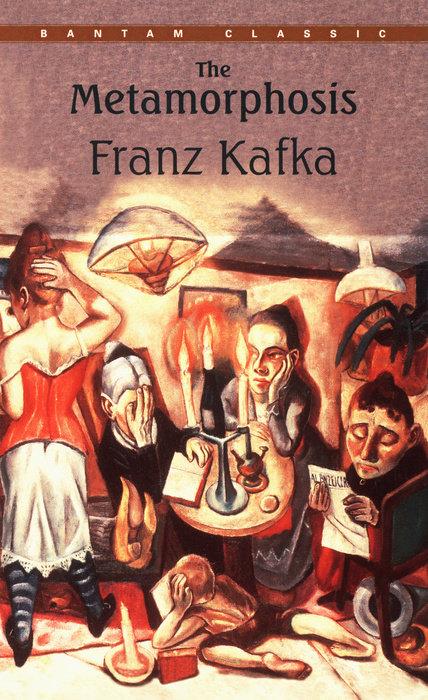
Kafka's Gregor Samsa wakes into a world that no longer recognizes him as human because his circumstances have changed. Like Montag, he finds himself suddenly alienated from the society that previously accepted him, forced to confront uncomfortable truths about belonging and identity. Both works show that alienation can be involuntary and that societies are quick to discard those who no longer fit their categories.

Alternate cover edition of ISBN 0553213695 / 9780553213690 "As Gregor Samsa awoke one morning from uneasy dreams he found himself transformed in his bed into a gigantic insect. He was laying on his hard, as it were armor-plated, back and when he lifted his head a little he could see his domelike brown belly divided into stiff arched segments on top of which the bed quilt could hardly keep in position and was about to slide off completely. His numerous legs, which were pitifully thin compared to the rest of his bulk, waved helplessly before his eyes." With it's startling, bizarre, yet surprisingly funny first opening, Kafka begins his masterpiece, The Metamorphosis. It is the story of a young man who, transformed overnight into a giant beetle-like insect, becomes an object of disgrace to his family, an outsider in his own home, a quintessentially alienated man. A harrowing—though absurdly comic—meditation on human feelings of inadequacy, guilt, and isolation, The Metamorphosis has taken its place as one of the most widely read and influential works of twentieth-century fiction. As W.H. Auden wrote, "Kafka is important to us because his predicament is the predicament of modern man."

View on Amazon
The Hunger Games
15

The Hunger Games

by Suzanne Collins

4.3(9924k)

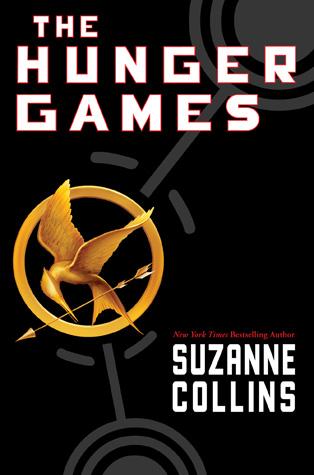
Collins' dystopia operates in Fahrenheit 451's lineage, depicting a society that uses spectacle and violence to maintain control while keeping the lower classes divided and powerless. Katniss Everdeen's journey from participant to reluctant rebel parallels Montag's transformation. Both novels show that resistance often begins with seeing clearly what others accept without question, and that visibility itself becomes dangerous once you've seen the truth.

Winning means fame and fortune. Losing means certain death. The Hunger Games have begun. . . . In the ruins of a place once known as North America lies the nation of Panem, a shining Capitol surrounded by twelve outlying districts. The Capitol is harsh and cruel and keeps the districts in line by forcing them all to send one boy and one girl between the ages of twelve and eighteen to participate in the annual Hunger Games, a fight to the death on live TV. Sixteen-year-old Katniss Everdeen regards it as a death sentence when she steps forward to take her sister's place in the Games. But Katniss has been close to dead before-and survival, for her, is second nature. Without really meaning to, she becomes a contender. But if she is to win, she will have to start making choices that weigh survival against humanity and life against love.

View on Amazon

The books above represent different approaches to the same fundamental tension that animates Fahrenheit 451: the collision between individual consciousness and collective control. Some are overtly dystopian; others achieve their critique through subtler means. What unites them is a serious engagement with questions of freedom, truth, and moral choice.

Bradbury understood that book-burning is never really about the books. It's about the ideas they carry and the thoughts they might inspire. The following selections prove that insight holds across decades and genres, making them essential reading for anyone who shares Fahrenheit 451's conviction that the freedom to think is not negotiable.

Never Miss a Free Kindle Book

We track thousands of Kindle books daily and alert you when they drop to free. Join 50,000+ readers getting the best deals.

Sign Up Free

Prefer free books on the go?

The Free Books for Kindle app gives you daily free book alerts, genre filtering, push notifications and zero ads.

Get the App