Divergent

13 Books Like Divergent by Veronica Roth

by Veronica Roth

4.1(4509k)

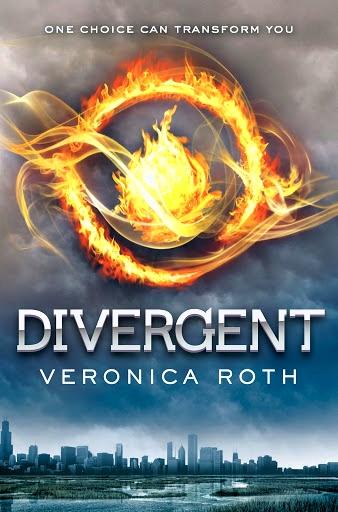
Divergent hit shelves in 2011 and immediately became one of those books you couldn't put down, couldn't stop thinking about, and couldn't stop recommending to every person you made eye contact with. Veronica Roth built a future Chicago that felt both alien and eerily plausible: a society fractured into five factions, each devoted to a single virtue, where your entire life is determined by one choice you make at sixteen. It was the kind of premise that grabbed you by the collar and didn't let go.

What made Divergent special wasn't just the world, though. It was Tris. Here was a girl who didn't fit neatly into any box, who was told that made her dangerous, and who decided to be dangerous anyway. Her journey through Dauntless initiation, with its brutal fights and terrifying simulations, had real teeth. You felt every bruise, every moment of doubt, every small victory. And then there was Four: guarded, intense, surprisingly tender. Their slow-burn romance gave the book its heart while the conspiracy gave it its spine.

If you loved Divergent, you probably loved it for a specific cocktail of ingredients: a high-concept dystopian world with clear rules and hidden cracks, a heroine discovering who she really is under pressure, romance that builds through trust rather than instalove, and a plot that keeps escalating until the ground drops out from under you. Those are the threads we followed when putting together this list of books like Divergent.

Whether you're looking for books similar to Divergent because you've just finished the trilogy and need something to fill the void, or because you read it years ago and want to recapture that electric feeling, we've got you covered. These thirteen picks each share DNA with Roth's series, from faction-like sorting systems to corrupt governments to teens who refuse to be what society demands. If you liked Divergent, at least a few of these should hit the same nerve.

The Hunger Games
1

The Hunger Games

by Suzanne Collins

4.3(9924k)

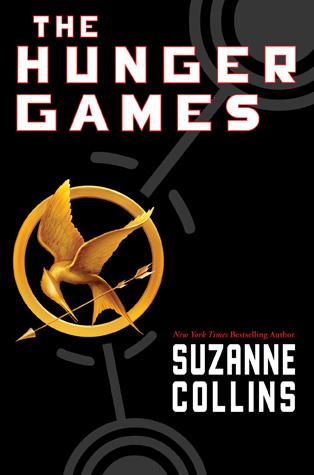
If you're looking for books like Divergent, The Hunger Games is the first title almost everyone will mention, and for good reason. Both Suzanne Collins and Veronica Roth built dystopian worlds where the government uses elaborate systems to control the population, and both center on a teenage girl who becomes the spark that burns it all down. Katniss Everdeen and Tris Prior share a stubborn survival instinct, a distrust of authority, and a willingness to sacrifice everything for the people they love. Where Divergent gives you faction initiations, The Hunger Games gives you the arena: a televised death match that's every bit as visceral and high-stakes as Dauntless training. The political intrigue runs deeper here too, with the Capitol's propaganda machine feeling uncomfortably real. If Divergent left you hungry for more YA dystopian fiction with a fierce heroine and a corrupt system begging to be dismantled, this is your next read.

Winning means fame and fortune. Losing means certain death. The Hunger Games have begun. . . . In the ruins of a place once known as North America lies the nation of Panem, a shining Capitol surrounded by twelve outlying districts. The Capitol is harsh and cruel and keeps the districts in line by forcing them all to send one boy and one girl between the ages of twelve and eighteen to participate in the annual Hunger Games, a fight to the death on live TV. Sixteen-year-old Katniss Everdeen regards it as a death sentence when she steps forward to take her sister's place in the Games. But Katniss has been close to dead before-and survival, for her, is second nature. Without really meaning to, she becomes a contender. But if she is to win, she will have to start making choices that weigh survival against humanity and life against love.
The Fault in Our Stars
2

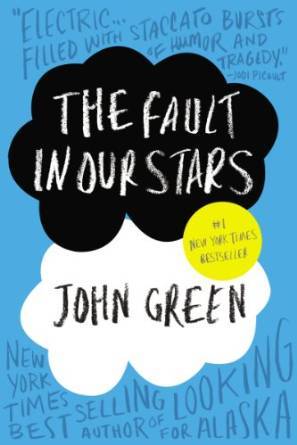
The Fault in Our Stars

by John Green

4.0(580k)

This might seem like an unexpected pick on a list of books similar to Divergent, but hear me out. John Green's novel about two teenagers with cancer isn't dystopian, but it shares Divergent's emotional core: young people confronting huge, unfair forces and choosing to live fully anyway. Tris faces a system that wants to define her; Hazel and Gus face mortality itself. Both books are powered by a romance that feels genuine and hard-won, not decorative. Green writes teenagers who are sharp, funny, and achingly real, much like Roth does at her best. If the emotional gutpunch of Allegiant's ending wrecked you, The Fault in Our Stars will wreck you in a completely different way. It's a book about what it means to matter, and readers who loved Divergent for its beating heart (not just its action sequences) will find plenty to love here.

Despite the tumor-shrinking medical miracle that has bought her a few years, Hazel has never been anything but terminal, her final chapter inscribed upon diagnosis. But when a gorgeous plot twist named Augustus Waters suddenly appears at Cancer Kid Support Group, Hazel's story is about to be completely rewritten. Insightful, bold, irreverent, and raw, The Fault in Our Stars is award-winning author John Green's most ambitious and heartbreaking work yet, brilliantly exploring the funny, thrilling, and tragic business of being alive and in love.

Twilight
3

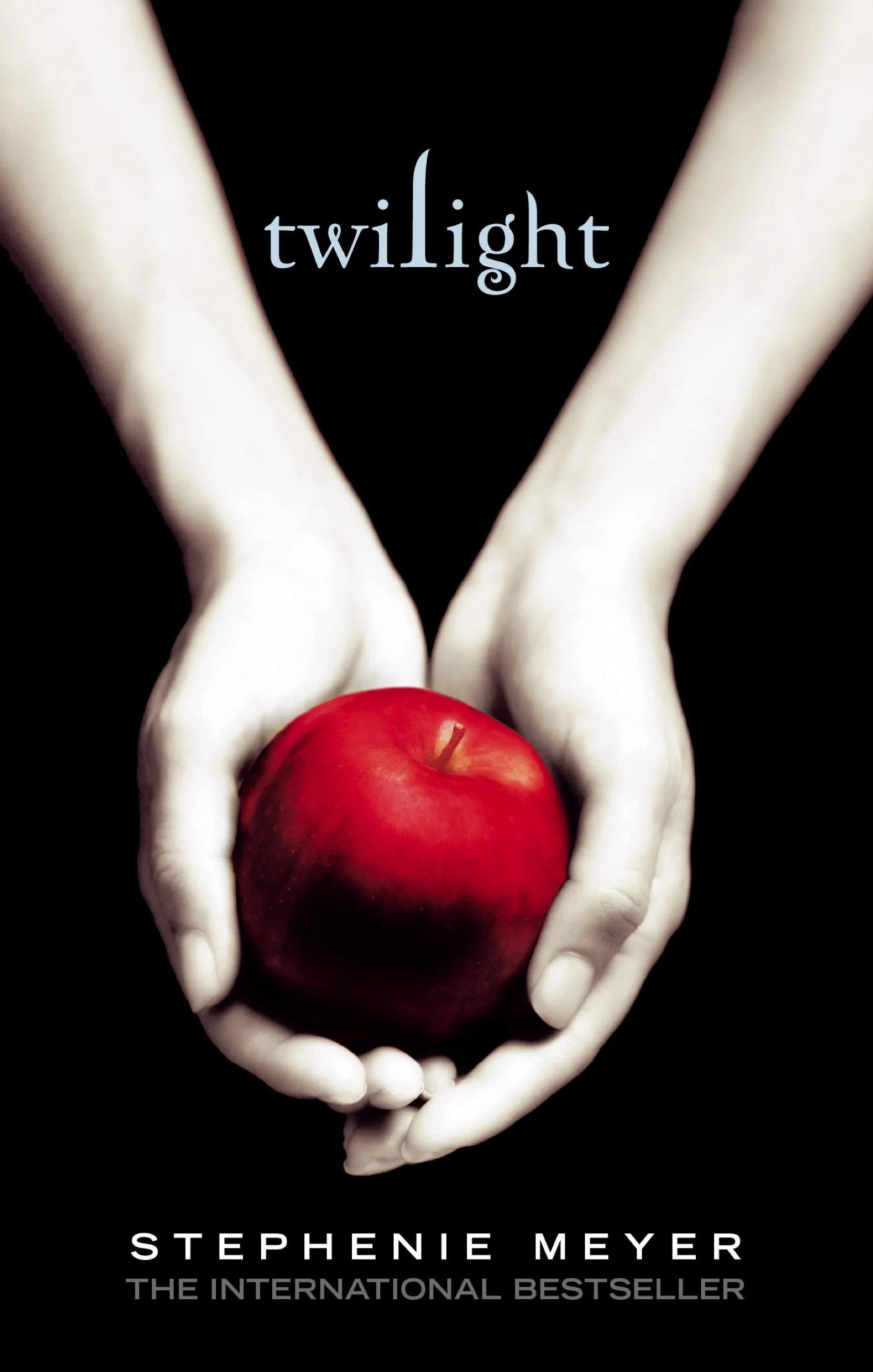
Twilight

by Stephenie Meyer

3.7(7401k)

Before Divergent, before The Hunger Games, Twilight kicked open the door for YA novels with intense, all-consuming romance at their center. Stephenie Meyer's Bella Swan and Roth's Tris Prior are very different heroines, but they share a crucial experience: falling into a hidden world and discovering that they're more important to it than anyone expected. Both books pair their love stories with genuine danger and a sense that the heroine is transforming into someone new. The Edward-Bella dynamic has the same forbidden, high-stakes tension as Tris and Four's relationship, where trust has to be built in a world that punishes vulnerability. If you liked Divergent partly for the romance and partly for the identity discovery, Twilight delivers both in massive doses. It's a faster, more breathless read, and it launched a cultural phenomenon for a reason.

About three things I was absolutely positive. First, Edward was a vampire. Second, there was a part of him - and I didn't know how dominant that part might be - that thirsted for my blood. And third, I was unconditionally and irrevocably in love with him. Deeply seductive and extraordinarily suspenseful, Twilight is a love story with bite.

The Maze Runner
4

The Maze Runner

by James Dashner

4.1(1633k)

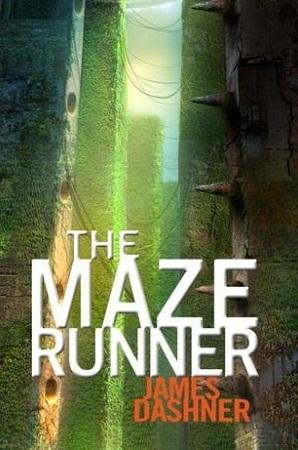
James Dashner drops you into the action even faster than Roth does. Thomas wakes up in a giant maze with no memory, surrounded by other boys who've been trapped there for years, and the mystery of why they're there drives the entire book. Like Divergent, The Maze Runner is built on a simple, terrifying premise: teenagers forced into a deadly system designed by adults, with survival depending on courage, intelligence, and trusting the right people. The Glade has an eerie similarity to Dauntless headquarters, a closed community with its own rules, hierarchies, and brutal consequences for breaking them. Where Tris has to pass initiation, Thomas has to prove himself to the Gladers while outrunning monsters called Grievers. The pacing is relentless, the twists are genuinely shocking, and the conspiracy behind the maze scratches the same itch as the Divergent conspiracy. If you liked Divergent for the survival elements and the slow-drip mystery, The Maze Runner is essential.

There are alternate cover editions for this ASIN here and here. If you ain’t scared, you ain’t human. When Thomas wakes up in the lift, the only thing he can remember is his name. He’s surrounded by strangers—boys whose memories are also gone. Nice to meet ya, shank. Welcome to the Glade. Outside the towering stone walls that surround the Glade is a limitless, ever-changing maze. It’s the only way out—and no one’s ever made it through alive. Everything is going to change. Then a girl arrives. The first girl ever. And the message she delivers is terrifying. Remember. Survive. Run.

Harry Potter and the Philosopher's Stone
5

Harry Potter and the Philosopher's Stone

by J.K. Rowling

4.4(2287k)

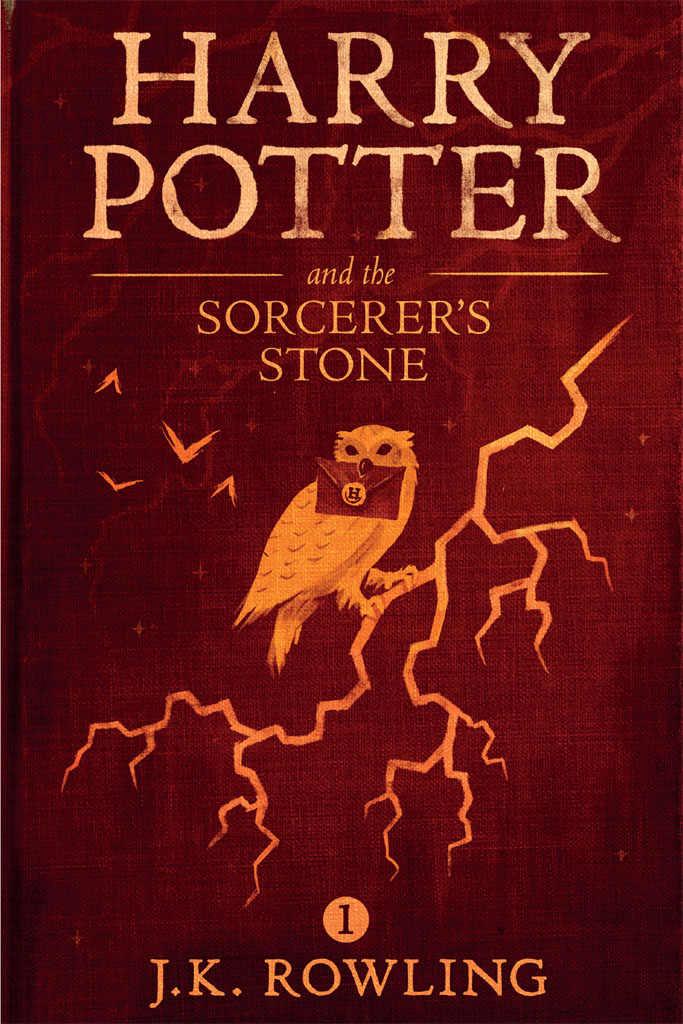
The connection between Hogwarts houses and Divergent's factions isn't subtle, and Veronica Roth has been open about the influence. Both stories hinge on a sorting moment: a teenager stands before an authority, gets evaluated, and is placed into a group that's supposed to define them. Harry's Sorting Hat scene and Tris's Choosing Ceremony carry the same weight and the same anxiety. Beyond that structural parallel, both books are about outsiders discovering a hidden world where they finally belong, finding a chosen family, and confronting evil that hides behind institutional power. Harry and Tris are both brave to the point of recklessness, both haunted by loss, both willing to die for their friends. Rowling's world is warmer and more whimsical than Roth's, but the emotional engine is the same: identity, belonging, and the courage to stand up when it costs you everything. For readers who loved Divergent's faction system, Harry Potter is the original.

An alternative cover for this ASIN can be found here "Turning the envelope over, his hand trembling, Harry saw a purple wax seal bearing a coat of arms; a lion, an eagle, a badger and a snake surrounding a large letter 'H'." Harry Potter has never even heard of Hogwarts when the letters start dropping on the doormat at number four, Privet Drive. Addressed in green ink on yellowish parchment with a purple seal, they are swiftly confiscated by his grisly aunt and uncle. Then, on Harry's eleventh birthday, a great beetle-eyed giant of a man called Rubeus Hagrid bursts in with some astonishing news: Harry Potter is a wizard, and he has a place at Hogwarts School of Witchcraft and Wizardry. An incredible adventure is about to begin!

Get Notified When These Books Go Free

Join 50,000+ readers who get handpicked free and discounted Kindle books delivered to their inbox every day.

Sign Up Free
Catching Fire
6

Catching Fire

by Suzanne Collins

4.4(3992k)

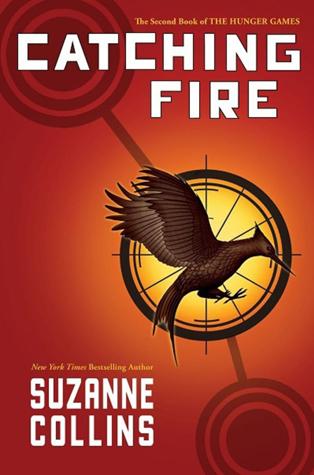
Including the Hunger Games sequel on a list of books like Divergent might feel like cheating, but Catching Fire specifically mirrors the trajectory of Insurgent in ways that are too good to ignore. Both second books take their heroines from personal survival into political rebellion, forcing them to reckon with the fact that they've become symbols whether they wanted to or not. Katniss in the Quarter Quell and Tris navigating faction warfare both face escalating stakes, shifting alliances, and the terrifying realization that nobody in power is fully trustworthy. The arena sequences in Catching Fire are among the best action set pieces in YA fiction, matching or surpassing the intensity of Dauntless training. Collins also deepens the love triangle here, much as Roth deepens the Tris-Four relationship under pressure. If you liked Divergent's second act, where the personal becomes political and the danger multiplies, Catching Fire is its closest cousin.

Sparks are igniting. Flames are spreading. And the Capitol wants revenge. Against all odds, Katniss Everdeen has won the Hunger Games. She and fellow District 12 tribute Peeta Mellark are miraculously still alive. Katniss should be relieved, happy even. After all, she has returned to her family and her longtime friend, Gale. Yet nothing is the way Katniss wishes it to be. Gale holds her at an icy distance. Peeta has turned his back on her completely. And there are whispers of a rebellion against the Capitol—a rebellion that Katniss and Peeta may have helped create. Much to her shock, Katniss has fueled an unrest that she's afraid she cannot stop. And what scares her even more is that she's not entirely convinced she should try. As time draws near for Katniss and Peeta to visit the districts on the Capitol's cruel Victory Tour, the stakes are higher than ever. If they can't prove, without a shadow of a doubt, that they are lost in their love for each other, the consequences will be horrifying. In Catching Fire, the second novel of the Hunger Games trilogy, Suzanne Collins continues the story of Katniss Everdeen, testing her more than ever before . . . and surprising readers at every turn.

Mockingjay
7

Mockingjay

by Suzanne Collins

4.1(3545k)

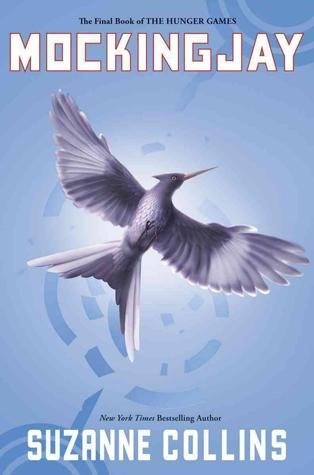
Mockingjay is where Suzanne Collins does something that Allegiant also tried: she takes the revolution to its conclusion and forces you to look at the cost. Both final books in their respective trilogies ask brutal questions about whether the people fighting tyranny are any better than the tyrants. Katniss, like Tris, discovers that the rebel leaders have their own agendas, their own willingness to sacrifice innocents. Collins doesn't flinch from showing the psychological damage of war, and neither does Roth. Mockingjay is dark, messy, and polarizing, just like Allegiant, and for similar reasons: fans wanted triumph, and instead got tragedy and moral ambiguity. If you read the Divergent trilogy because you wanted a story that respected its readers enough to show the real consequences of revolution, Mockingjay delivers that unflinchingly. It's not a comfortable read, but it's an honest one.

My name is Katniss Everdeen. Why am I not dead? I should be dead. Katniss Everdeen, girl on fire, has survived, even though her home has been destroyed. Gale has escaped. Katniss's family is safe. Peeta has been captured by the Capitol. District 13 really does exist. There are rebels. There are new leaders. A revolution is unfolding. It is by design that Katniss was rescued from the arena in the cruel and haunting Quarter Quell, and it is by design that she has long been part of the revolution without knowing it. District 13 has come out of the shadows and is plotting to overthrow the Capitol. Everyone, it seems, has had a hand in the carefully laid plans—except Katniss. The success of the rebellion hinges on Katniss's willingness to be a pawn, to accept responsibility for countless lives, and to change the course of the future of Panem. To do this, she must put aside her feelings of anger and distrust. She must become the rebels' Mockingjay—no matter what the personal cost.

City of Bones
8

City of Bones

by Cassandra Clare

4.1(2036k)

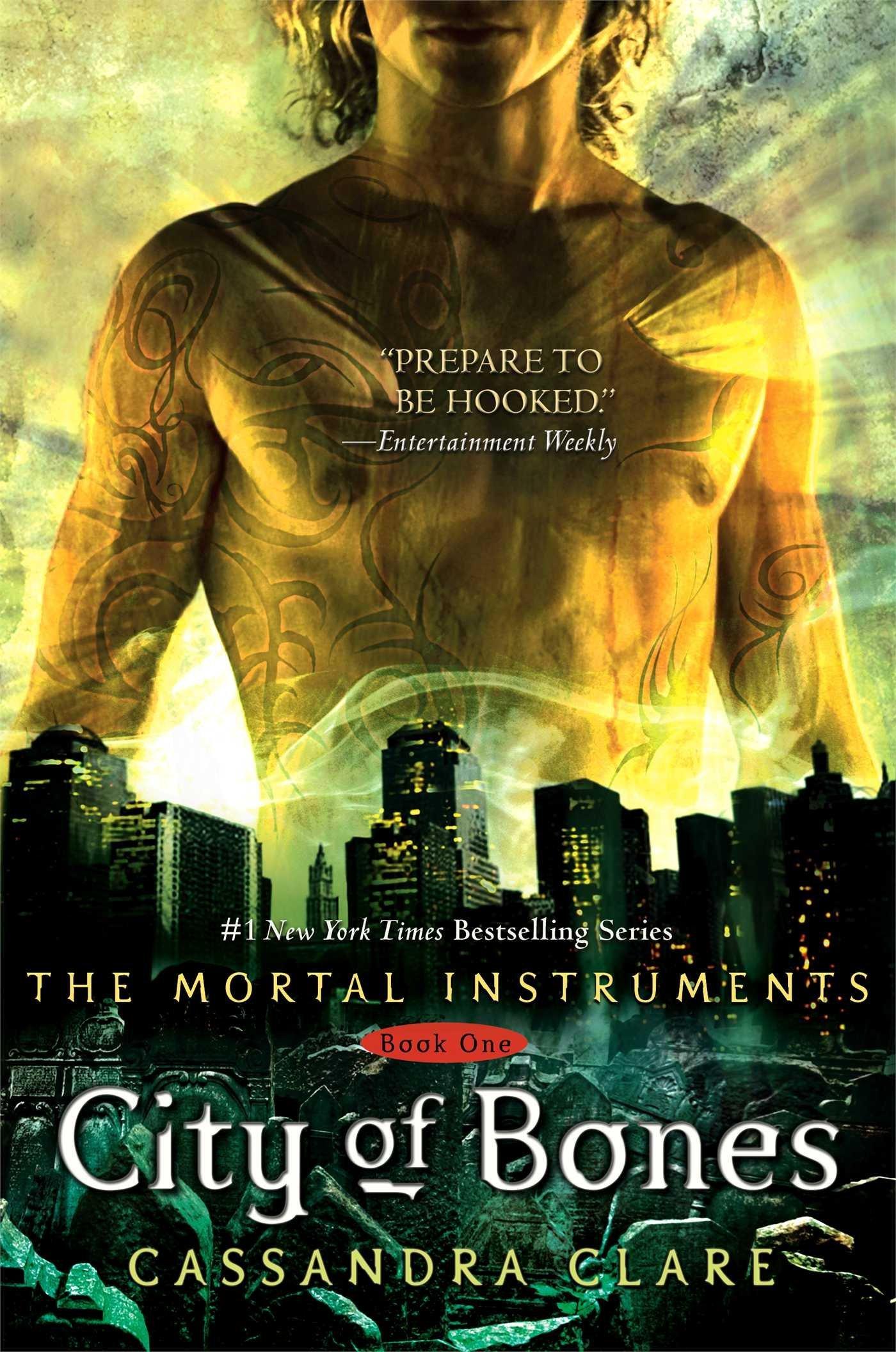
Cassandra Clare's Mortal Instruments opener shares Divergent's core thrill: a teenager discovers that the world she thought she knew is a lie, and that she belongs to a hidden community with its own rules, dangers, and politics. Clary Fray finding out she's a Shadowhunter echoes Tris discovering she's Divergent, both revelations that are simultaneously exciting and terrifying. The Institute functions like a faction headquarters, complete with training sequences, internal rivalries, and a brooding love interest who knows more than he's telling. Jace Wayland and Four could swap sarcastic one-liners all day; they're cut from the same cloth of guarded vulnerability. City of Bones leans more into urban fantasy than sci-fi dystopia, but the identity crisis at its center, the "who am I really and where do I belong" question, is pure Divergent. If you liked Divergent for the self-discovery wrapped in danger and romance, this is a natural next step.

When fifteen-year-old Clary Fray heads out to the Pandemonium Club in New York City, she hardly expects to witness a murder—much less a murder committed by three teenagers covered with strange tattoos and brandishing bizarre weapons. Then the body disappears into thin air. It’s hard to call the police when the murderers are invisible to everyone else and when there is nothing—not even a smear of blood—to show that a boy has died. Or was he a boy? This is Clary’s first meeting with the Shadowhunters, warriors dedicated to ridding the earth of demons. It’s also her first encounter with Jace, a Shadowhunter who looks a little like an angel and acts a lot like a jerk. Within twenty-four hours Clary is pulled into Jace’s world with a vengeance, when her mother disappears and Clary herself is attacked by a demon. But why would demons be interested in ordinary mundanes like Clary and her mother? And how did Clary suddenly get the Sight? The Shadowhunters would like to know...

The Lightning Thief
9

The Lightning Thief

by Rick Riordan

4.3(380k)

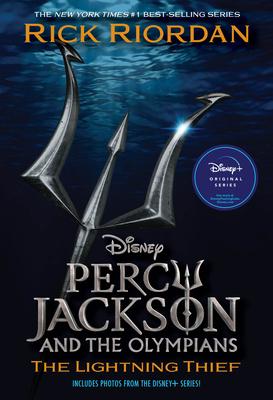
Rick Riordan's Percy Jackson opener might be aimed at slightly younger readers, but it shares a surprising amount of DNA with Divergent. Percy discovers he's a demigod (read: different from everyone around him, potentially dangerous, doesn't fit the normal world) and gets sorted into a cabin at Camp Half-Blood based on his godly parent. Sound familiar? The camp structure mirrors the faction system, complete with rivalries, alliances, and a hierarchy that doesn't always reward the right people. Percy, like Tris, is impulsive, brave, and loyal to a fault. The quest narrative keeps the pacing tight, and Riordan's humor makes the book fly by even faster than Divergent does. What really connects them, though, is the theme of being told you're wrong or dangerous simply because you don't fit the categories other people created. If you liked Divergent for the "outsider discovers their true power" arc, The Lightning Thief nails it.

The first book in the New York Times best-selling saga with a cover image and an 8-page photo insert from the Disney+ series! Read the book that launched Percy Jackson into the stratosphere before the Disney+ series comes out! Lately, mythological monsters and the Olympian gods seem to be walking straight out of the pages of Percy Jackson’s Greek mythology textbook and into his life. Zeus's master lightning bolt has been stolen, and Percy is the prime suspect. Percy and his friends have just ten days to find and return Zeus's stolen property and bring peace to a warring Mount Olympus. Whether you are new to Percy or a longtime fan, this tie-in paperback edition with full-color photos from the Disney+ series is a must-have for your library.

The Giver
10

The Giver

by Lois Lowry

4.1(2804k)

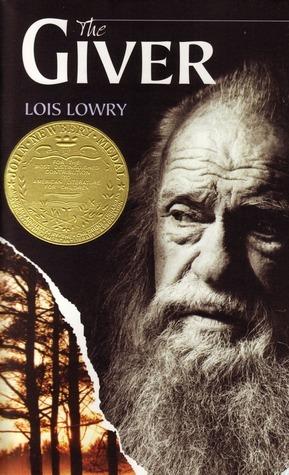
Lois Lowry wrote The Giver in 1993, and you can draw a straight line from its DNA to Divergent. Both novels imagine a society that has eliminated conflict by eliminating choice: in The Giver, everyone is assigned a role, a family, even their emotional responses. The Community's sameness is what the faction system would look like if it went further, if it didn't just sort you but flattened you. Jonas, like Tris, is the one person who sees through the illusion, who receives knowledge that makes it impossible to keep living the lie. The Giver is quieter than Divergent, more philosophical, but the horror of its dystopia creeps up on you in a way that's almost worse than Dauntless initiation. If you loved the worldbuilding in Divergent, the way the faction system seemed logical until you realized it was monstrous, The Giver performs the same trick with devastating precision. It's short, it's powerful, and it's one of the best dystopian novels ever written.

At the age of twelve, Jonas, a young boy from a seemingly utopian, futuristic world, is singled out to receive special training from The Giver, who alone holds the memories of the true joys and pain of life.

The Selection
11

The Selection

by Kiera Cass

4.1(1666k)

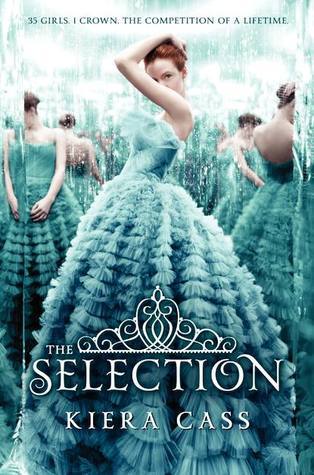
Kiera Cass takes the competition element of Divergent and wraps it in a tiara. In a future society divided into numbered castes (from wealthy Ones to impoverished Eights), thirty-five girls are selected to compete for the hand of the prince. It's The Bachelor meets Brave New World, and it's far more addictive than that description suggests. The caste system mirrors Divergent's factions in that it defines your entire life based on a single classification, and America Singer, like Tris, chafes against a system that tries to box her in. The romance is front and center here, more so than in Divergent, but the dystopian worldbuilding and the growing hints of rebellion give it real backbone. If you liked Divergent for the combination of romance, competition, and a corrupt system, The Selection delivers all three with a different flavor. It's lighter in tone but no less bingeable.

For thirty-five girls, the Selection is the chance of a lifetime. The opportunity to escape the life laid out for them since birth. To be swept up in a world of glittering gowns and priceless jewels. To live in a palace and compete for the heart of gorgeous Prince Maxon. But for America Singer, being Selected is a nightmare. It means turning her back on her secret love with Aspen, who is a caste below her. Leaving her home to enter a fierce competition for a crown she doesn't want. Living in a palace that is constantly threatened by violent rebel attacks. Then America meets Prince Maxon. Gradually, she starts to question all the plans she's made for herself—and realizes that the life she's always dreamed of may not compare to a future she never imagined.

Fifty Shades of Grey
12

Fifty Shades of Grey

by E.L. James

3.7(2773k)

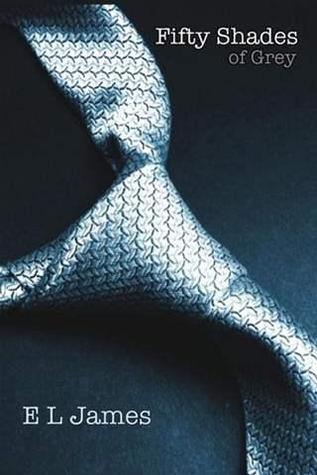
This is the wildcard on our list, but if you think about what draws readers to Divergent's romance, the connection makes more sense than you'd expect. Tris and Four's relationship is built on power dynamics, trust, vulnerability, and the slow dismantling of each other's walls. E.L. James takes those same elements and turns the intensity up to an adult register. Both books feature a protagonist entering a new, intimidating world and being drawn to a commanding, guarded figure with a painful past. Ana, like Tris, has to figure out her own boundaries while being pulled toward someone whose strength is both attractive and frightening. The writing styles are miles apart, and this is obviously not YA, but readers who loved the tension and push-pull of the Tris-Four dynamic often find that Fifty Shades scratches a similar itch on a very different frequency. Come for the Divergent comparison, stay for the guilty-pleasure binge.

When literature student Anastasia Steele goes to interview young entrepreneur Christian Grey, she encounters a man who is beautiful, brilliant, and intimidating. The unworldly, innocent Ana is startled to realize she wants this man and, despite his enigmatic reserve, finds she is desperate to get close to him. Unable to resist Ana’s quiet beauty, wit, and independent spirit, Grey admits he wants her, too—but on his own terms. Shocked yet thrilled by Grey’s singular erotic tastes, Ana hesitates. For all the trappings of success—his multinational businesses, his vast wealth, his loving family—Grey is a man tormented by demons and consumed by the need to control. When the couple embarks on a daring, passionately physical affair, Ana discovers Christian Grey’s secrets and explores her own dark desires. Erotic, amusing, and deeply moving, the Fifty Shades Trilogy is a tale that will obsess you, possess you, and stay with you forever. This book is intended for mature audiences.

To Kill a Mockingbird
13

To Kill a Mockingbird

by Harper Lee

4.2(740k)

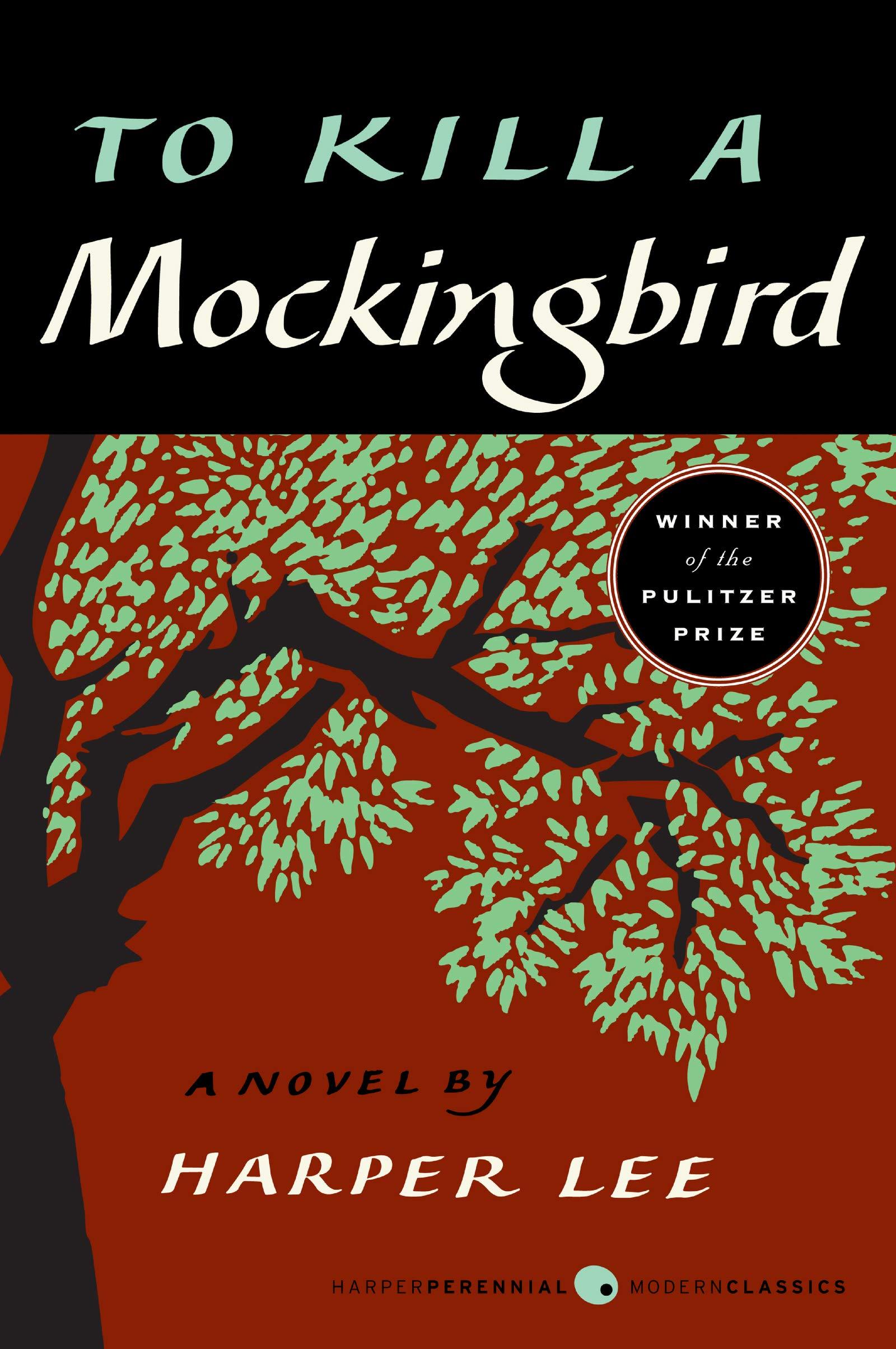
Harper Lee's classic might seem worlds away from Divergent's dystopian Chicago, but the moral core of both books is the same: what happens when one person sees injustice that everyone else accepts, and decides to act. Scout Finch and Tris Prior are both young people watching adults fail to live up to their own principles. The faction system in Divergent claims to promote virtue but enables corruption; Maycomb's legal system claims to deliver justice but enables racism. Atticus Finch and Tris share a willingness to stand alone against a broken system, knowing they might lose. Lee writes the coming-of-age elements with the same honesty Roth does: the confusion, the anger, the painful realization that the world isn't what you were told it was. If you liked Divergent for its deeper themes, the questions about conformity, courage, and what you owe a society that's failing its people, To Kill a Mockingbird explores those same questions with a literary power that's endured for over sixty years.

One of the best-loved stories of all time, To Kill a Mockingbird has been translated into more than forty languages, sold more than forty million copies worldwide, served as the basis for an enormously popular motion picture, and was voted one of the best novels of the twentieth century by librarians across the country. A gripping, heart-wrenching, and wholly remarkable coming-of-age tale in a South poisoned by virulent prejudice, it views a world of great beauty and savage iniquities through the eyes of a young girl, as her father — a crusading local lawyer — risks everything to defend a black man unjustly accused of a terrible crime.

Finding books like Divergent means finding stories that don't flinch. Stories where young people are forced into impossible systems and find the courage (or the fury) to push back. Every book on this list shares something essential with Roth's trilogy, whether it's the adrenaline of survival, the ache of first love under pressure, or the slow, sickening realization that the people in charge don't deserve to be.

If you liked Divergent for its world, start with The Hunger Games or The Giver. If you loved Tris's identity crisis, try City of Bones or The Lightning Thief. If the romance was your thing, The Selection and Twilight will scratch that itch. And if it was the raw moral questions that stuck with you, To Kill a Mockingbird and Mockingjay both deliver in spades. Readers who loved Divergent have a lot of ground to explore, and every one of these books is worth the trip.

Never Miss a Free Kindle Book

We track thousands of Kindle books daily and alert you when they drop to free. Join 50,000+ readers getting the best deals.

Sign Up Free

Prefer free books on the go?

The Free Books for Kindle app gives you daily free book alerts, genre filtering, push notifications and zero ads.

Get the App