Catcher in the Rye

6 Books Like Catcher in the Rye by J.D. Salinger

by J.D. Salinger

3.8(4035k)

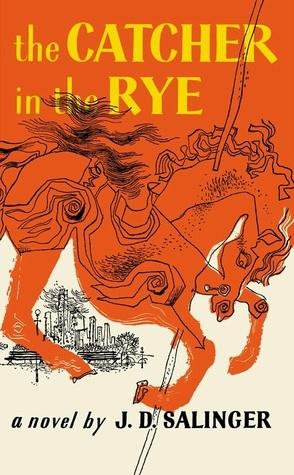
J.D. Salinger's "The Catcher in the Rye" stands as a watershed moment in American literature, capturing the particular anguish of adolescence through Holden Caulfield's unsparing narration. His voice—cynical, vulnerable, and desperate—articulates a fundamental tension between the desire to connect and the conviction that the world is hopelessly corrupt. Holden's alienation springs not from darkness but from sensitivity; he cannot abide phoniness or the casual cruelty embedded in adult society, yet he lacks the tools to build anything better. His brief collapse in New York crystallizes the novel's central tragedy: the protective innocence he seeks to preserve in others, he has already lost in himself.

Readers drawn to this novel recognize themselves in its preoccupations. They appreciate psychological realism over plot mechanics, the interior monologue that refuses neat resolution, and the theme that growing up necessarily involves loss. They value books that interrogate power structures and social hypocrisy without offering easy answers. They respond to protagonists who suffer not because of external villainy but because their own sensitivity and moral clarity isolate them from the world.

Books like The Catcher in the Rye share this DNA: they feature protagonists at odds with their societies, narrators who use voice as both shield and weapon, and narratives that prioritize psychological authenticity over conventional character arcs. Some explore youth culture and the specific pain of adolescent alienation. Others extend Salinger's preoccupations into different contexts—other eras, other forms of oppression, other ways that sensitive individuals collide with indifferent systems. All refuse to sentimentalize either innocence or corruption.

The selections below represent touchstones that readers of Catcher return to again and again: classics that share its emotional core, its formal innovations, and its unflinching portrait of individuals at war with the world they inherit.

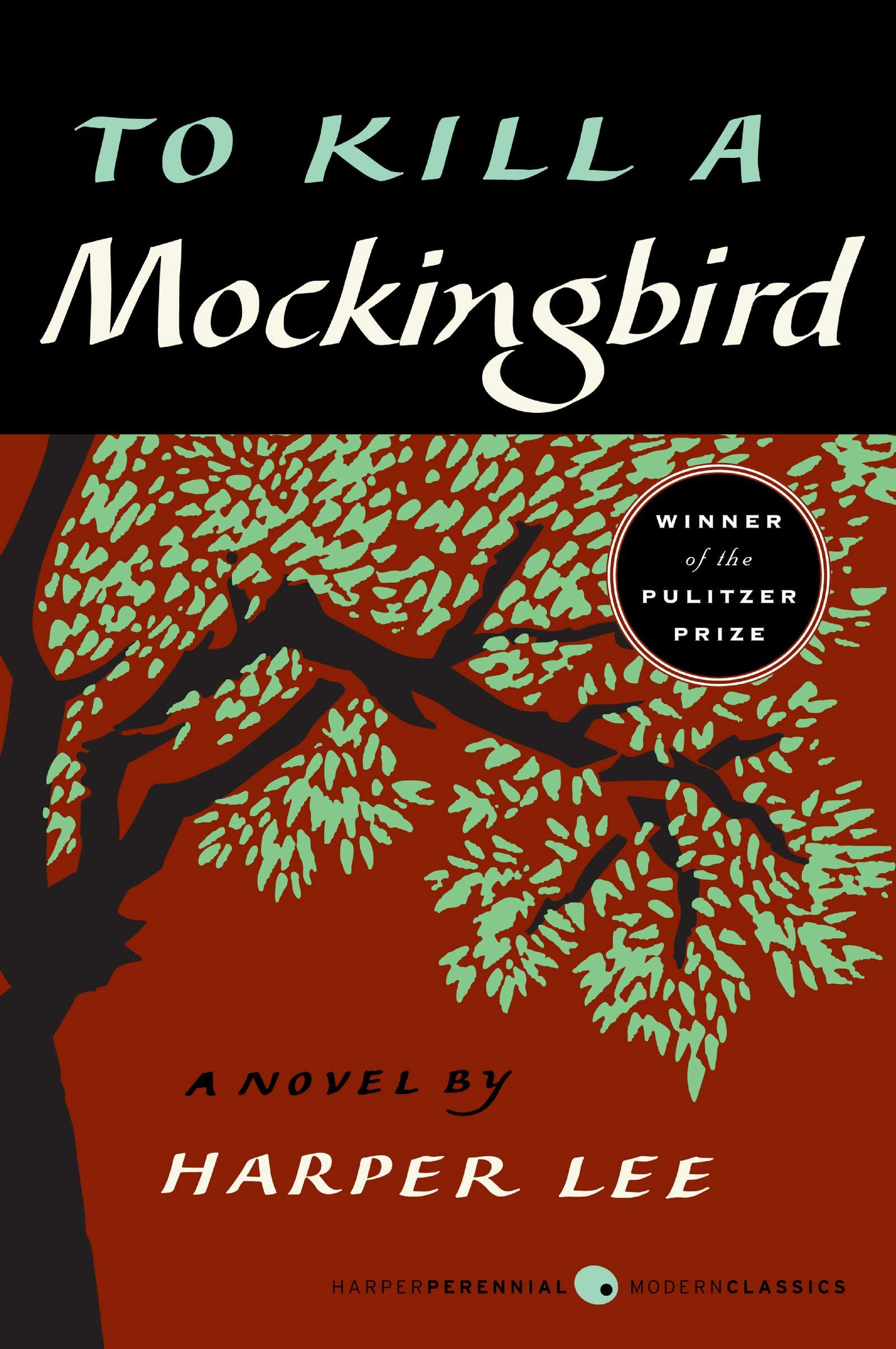
To Kill a Mockingbird
2
4.2(740k)

Harper Lee's novel shares Catcher's moral clarity and its suspicion of adult hypocrisy. Scout and Jem witness the gap between what Maycomb professes to believe and what it actually practices. Like Holden, they are children whose sensitivity to injustice isolates them. The novel's power lies in Lee's refusal to excuse or explain away the adults' compromises, echoing Holden's indictment of a phoniness so ingrained that most people stop seeing it.

One of the best-loved stories of all time, To Kill a Mockingbird has been translated into more than forty languages, sold more than forty million copies worldwide, served as the basis for an enormously popular motion picture, and was voted one of the best novels of the twentieth century by librarians across the country. A gripping, heart-wrenching, and wholly remarkable coming-of-age tale in a South poisoned by virulent prejudice, it views a world of great beauty and savage iniquities through the eyes of a young girl, as her father — a crusading local lawyer — risks everything to defend a black man unjustly accused of a terrible crime.

View on Amazon
Of Mice and Men
5

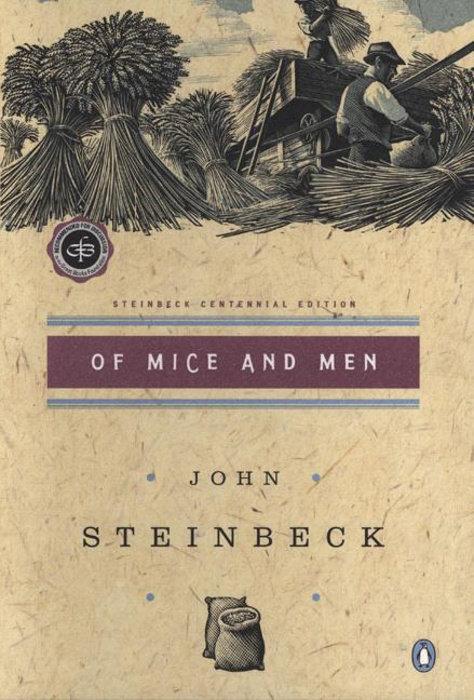
Of Mice and Men

by John Steinbeck

3.9(2789k)

Steinbeck's novella shares Catcher's tragic precision and its refusal to sentimentalize pain. Lennie and George's bond echoes Holden's protective impulses toward his sister Phoebe; both relationships represent what cannot survive in a world organized around profit and indifference. Steinbeck, like Salinger, finds nobility in characters society discards and renders their destruction with unflinching honesty. The spare prose style mirrors Holden's direct, sometimes brutal narrative voice.

“I got you to look after me, and you got me to look after you, and that's why.” They are an unlikely pair: George is "small and quick and dark of face"; Lennie, a man of tremendous size, has the mind of a young child. Yet they have formed a "family," clinging together in the face of loneliness and alienation. Laborers in California's dusty vegetable fields, they hustle work when they can, living a hand-to-mouth existence. But George and Lennie have a plan: to own an acre of land and a shack they can call their own. While the powerlessness of the laboring class is a recurring theme in Steinbeck's work of the late 1930s, he narrowed his focus when composing Of Mice and Men, creating an intimate portrait of two men facing a world marked by petty tyranny, misunderstanding, jealousy, and callousness. But though the scope is narrow, the theme is universal: a friendship and a shared dream that makes an individual's existence meaningful. A unique perspective on life's hardships, this story has achieved the status of timeless classic due to its remarkable success as a novel, a Broadway play, and three acclaimed films.

View on Amazon
Animal Farm
6

Animal Farm

by George Orwell

4.1(2275k)

Orwell's allegory extends Holden's indictment of phoniness into political territory. Both works expose how language becomes a tool for manipulation, how those claiming to serve the common good often consolidate power instead. Holden's constant criticism of adult deception finds its parallel in the animals' dawning realization that they have been betrayed by those they trusted. The tone is darker than Catcher, but the core conviction is identical: the world lies to itself.

Animal Farm is the most famous by far of all twentieth-century political allegories. Its account of a group of barnyard animals who revolt against their vicious human master, only to submit to a tyranny erected by their own kind, can fairly be said to have become a universal drama. Orwell is one of the very few modern satirists comparable to Jonathan Swift in power, artistry, and moral authority; in animal farm his spare prose and the logic of his dark comedy brilliantly highlight his stark message. Taking as his starting point the betrayed promise of the Russian Revolution, Orwell lays out a vision that, in its bitter wisdom, gives us the clearest understanding we possess of the possible consequences of our social and political acts.

View on Amazon
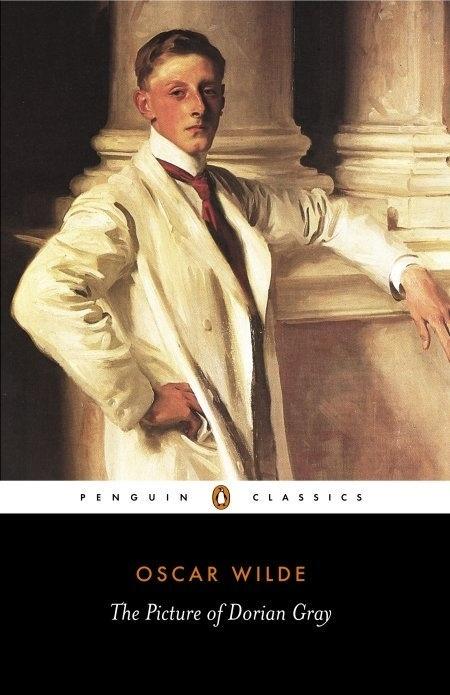
The Picture of Dorian Gray
8
4.2(305k)

Wilde's novel shares Catcher's preoccupation with innocence and corruption. Dorian represents a version of Holden's wish to preserve youth untouched; his tragedy is that he cannot. The novel uses a single consciousness to explore the conflict between aesthetic beauty and moral rot, between appearance and reality. Both works present their protagonists as martyrs to sensitivity in a world that punishes it. Wilde's wit mirrors the dark comedy in Holden's observations.

'The horror, whatever it was, had not yet entirely spoiled that marvellous beauty' Enthralled by his own exquisite portrait, Dorian Gray exchanges his soul for eternal youth and beauty. Influenced by his friend Lord Henry Wotton, he is drawn into a corrupt double life, indulging his desires in secret while remaining a gentleman in the eyes of polite society. Only his portrait bears the traces of his decadence. The Picture of Dorian Gray was a succès de scandale. Early readers were shocked by its hints at unspeakable sins, and the book was later used as evidence against Wilde at the Old Bailey in 1895. This definitive edition includes a selection of contemporary reviews condemning the novel's immorality, and the introduction to the first Penguin Classics edition by Peter Ackroyd.

View on Amazon
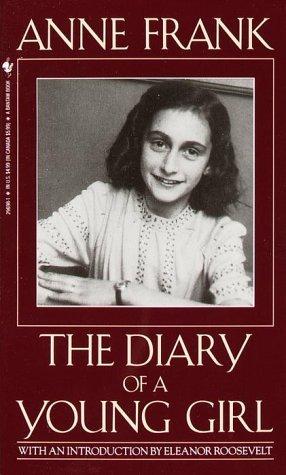
The Diary of a Young Girl
12
4.3(452k)

Anne Frank's diary shares Catcher's intimacy and immediacy. Her voice captures the internal life of an adolescent confronting a hostile world with both humor and anguish. Like Holden, Anne observes her environment with clarity and records it with directness. Both works use the adolescent consciousness to expose the gap between official reality and lived truth. The diary form mirrors Holden's monologic voice in conveying the texture of thought itself.

Anne Frank's extraordinary diary, written in the Amsterdam attic where she and her family hid from the Nazis for two years, has become a world classic and a timeless testament to the human spirit. Now, in a new edition enriched by many passages originally withheld by her father, we meet an Anne more real, more human, and more vital than ever. Here she is first and foremost a teenage girl—stubbornly honest, touchingly vulnerable, in love with life. She imparts her deeply secret world of soul-searching and hungering for affection, rebellious clashes with her mother, romance and newly discovered sexuality, and wry, candid observations of her companions. Facing hunger, fear of discovery and death, and the petty frustrations of such confined quarters, Anne writes with adult wisdom and views beyond her years. Her story is that of every teenager, lived out in conditions few teenagers have ever known.

View on Amazon

Get Notified When These Books Go Free

Join 50,000+ readers who get handpicked free and discounted Kindle books delivered to their inbox every day.

Sign Up Free
Pride and Prejudice
14

Pride and Prejudice

by Jane Austen

4.3(530k)

Austen's Elizabeth Bennet refuses to perform femininity or acceptance in the face of pressure to conform. Like Holden, she sees through pretense and will not participate in social phoniness. Her alienation from Meryton society and her eventual triumph suggest a path Holden cannot imagine. Both novels use a keen, unsparing consciousness to expose social hypocrisy. Austen's wit parallels the dark comedy of Holden's observations.

Pride and Prejudice has charmed generations of readers for more than two centuries. Jane Austen's much-adapted novel is famed for its witty, spirited heroine, sensational romances, and deft remarks on the triumphs and pitfalls of social convention. Author Jane Austen (1775-1817) was an English novelist whose works of social realism achieved unprecedented critical and popular success, though Austen herself remained an anonymous writer throughout her life.

Each of these novels builds on the foundation Salinger established: the protagonist's consciousness as the true subject, the unreliability of adult assurances, the price of moral clarity. They are books for readers who value honesty over comfort, who recognize that growth and loss are inseparable, and who believe that art's job is to name what others pretend not to see.

If The Catcher in the Rye became your framework for understanding adolescence, alienation, and the phoniness that permeates human affairs, these recommendations will deepen and complicate that understanding. They are books that, like Salinger's masterpiece, refuse to be comfortable—and for that reason, they endure.

Never Miss a Free Kindle Book

We track thousands of Kindle books daily and alert you when they drop to free. Join 50,000+ readers getting the best deals.

Sign Up Free

Prefer free books on the go?

The Free Books for Kindle app gives you daily free book alerts, genre filtering, push notifications and zero ads.

Get the App