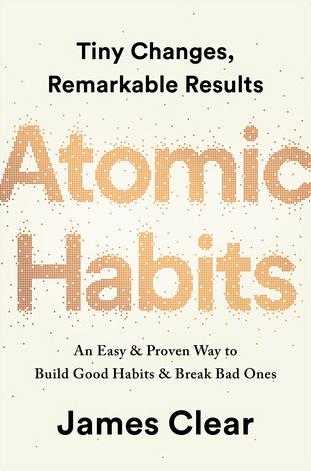
Atomic Habits

3 Books Like Atomic Habits by James Clear

by James Clear

4.3(1445k)

Atomic Habits by James Clear revolutionized how millions approach personal transformation by proving that monumental change doesn't require monumental effort. The core insight is elegantly simple: tiny, compounding improvements in daily behavior produce extraordinary results over time. Clear's framework of making habits obvious, attractive, easy, and satisfying provides a practical architecture for anyone seeking meaningful change. For readers who've found Atomic Habits transformative, the next logical step is exploring complementary perspectives on behavior, psychology, and personal growth. Books like Atomic Habits share this commitment to actionable self-improvement, grounding abstract principles in concrete techniques that readers can implement immediately. Whether the interest lies in understanding the deeper psychology behind habit formation, exploring the philosophical foundations of personal change, or discovering alternative frameworks for building better lives, the following selections each illuminate different facets of the transformation journey. These books present varying approaches to the universal human challenge of becoming who we aspire to be, from dissecting our cognitive biases to reframing our relationship with discipline itself. The common thread running through these works is the conviction that lasting change emerges from understanding ourselves more deeply and structuring our lives more intentionally.

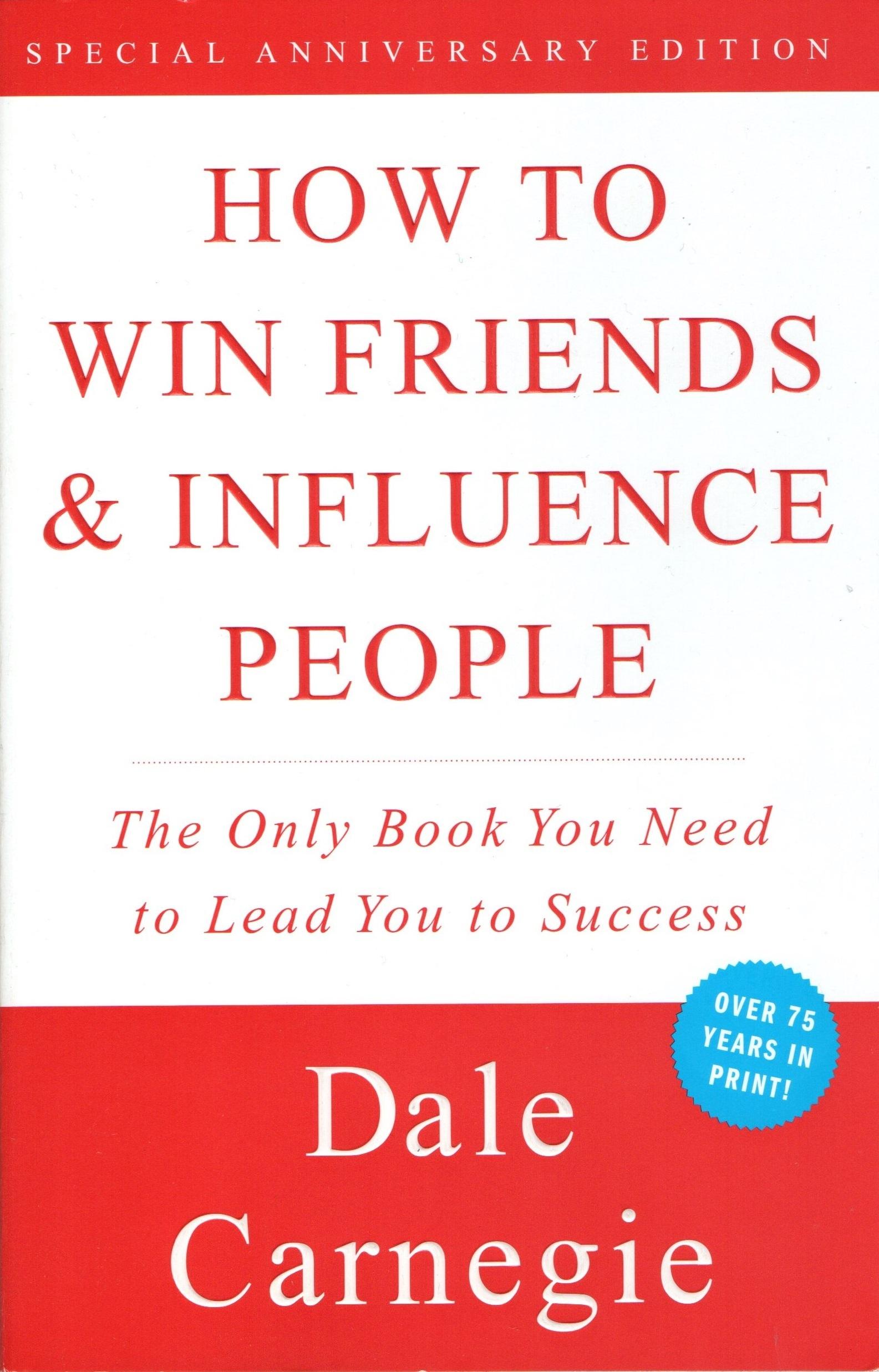
How to Win Friends & Influence People
2

How to Win Friends & Influence People

by Dale Carnegie

4.2(1099k)

Dale Carnegie's 1936 classic predates modern behavior science yet articulates principles that underpin Atomic Habits' emphasis on making behavior social and rewarding. Carnegie's rules for building relationships mirror Clear's insight that habits become attractive when they're connected to identity and community. The book's emphasis on obvious communication signals and immediate, satisfying feedback loops demonstrates that the psychological principles in Atomic Habits aren't new but rather refined through contemporary research. Carnegie's case studies offer historical validation of Clear's core thesis: small, deliberate adjustments in how we interact compound into transformed relationships and influence.

You can go after the job you want...and get it! You can take the job you have...and improve it! You can take any situation you're in...and make it work for you! Since its release in 1936, How to Win Friends and Influence People has sold more than 30 million copies. Dale Carnegie's first book is a timeless bestseller, packed with rock-solid advice that has carried thousands of now famous people up the ladder of success in their business and personal lives. As relevant as ever before, Dale Carnegie's principles endure, and will help you achieve your maximum potential in the complex and competitive modern age. Learn the six ways to make people like you, the twelve ways to win people to your way of thinking, and the nine ways to change people without arousing resentment.
The Psychology of Money: Timeless Lessons on Wealth, Greed, and Happiness
4

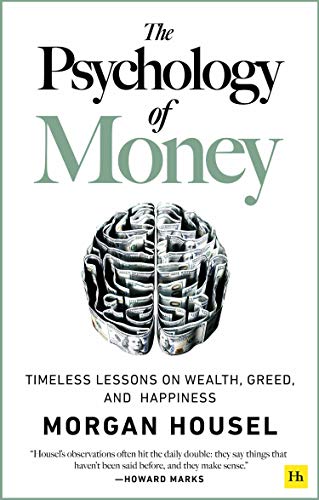
The Psychology of Money: Timeless Lessons on Wealth, Greed, and Happiness

by Morgan Housel

4.3(313k)

Morgan Housel's psychological approach to money mirrors Atomic Habits' focus on understanding behavior rather than optimizing technique. He argues that wealth-building isn't primarily a math problem but a behavior problem rooted in how we view risk, delayed gratification, and identity. His essays on the compound effect of small financial decisions directly echo Atomic Habits' central premise that tiny, repeated actions produce outsized results. The book's emphasis on psychological blind spots and emotional patterns that drive money decisions complements Clear's framework for building better habits by making the invisible forces shaping our choices visible.

Alternate cover edition of ISBN 9780857197689. Doing well with money isn’t necessarily about what you know. It’s about how you behave. And behavior is hard to teach, even to really smart people. Money―investing, personal finance, and business decisions―is typically taught as a math-based field, where data and formulas tell us exactly what to do. But in the real world people don’t make financial decisions on a spreadsheet. They make them at the dinner table, or in a meeting room, where personal history, your own unique view of the world, ego, pride, marketing, and odd incentives are scrambled together. In The Psychology of Money, award-winning author Morgan Housel shares 19 short stories exploring the different ways people think about money and teaches you how to make better sense of one of life’s most important topics.

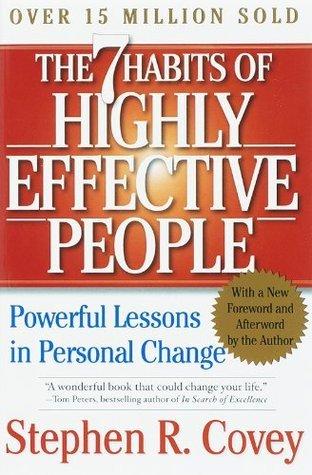
The 7 Habits of Highly Effective People: Powerful Lessons in Personal Change
5
4.2(782k)

Stephen Covey's foundational work articulates a hierarchical framework for change that complements Atomic Habits' granular, incremental approach. Covey emphasizes that sustainable habits emerge from clarified principles and proactive thinking, establishing the philosophical soil in which specific habits can take root. Where Atomic Habits focuses on the mechanics of habit formation, Covey insists on the importance of alignment between habits and deeper purpose. Readers who've mastered Clear's atomic adjustments will find Covey's framework helps them sequence habits purposefully and ensure their accumulated changes serve coherent, values-aligned lives.

In The 7 Habits of Highly Effective People, author Stephen R. Covey presents a holistic, integrated, principle-centered approach for solving personal and professional problems. With penetrating insights and pointed anecdotes, Covey reveals a step-by-step pathway for living with fairness, integrity, service, and human dignity--principles that give us the security to adapt to change and the wisdom and power to take advantage of the opportunities that change creates.

View on Amazon

The landscape of self-improvement literature offers abundant wisdom for readers ready to deepen their understanding of change. Each book listed here brings a distinct angle to the project of personal transformation, whether through neuroscience, philosophy, ancient storytelling, or unflinching self-assessment. Readers who resonated with Atomic Habits will find these complementary works validate, expand, and occasionally challenge Clear's framework, offering multiple entry points into the enduring human quest for growth. The thread connecting all these works is the recognition that small, deliberate actions compound into lives dramatically different from where they started.

Never Miss a Free Kindle Book

We track thousands of Kindle books daily and alert you when they drop to free. Join 50,000+ readers getting the best deals.

Sign Up Free

Prefer free books on the go?

The Free Books for Kindle app gives you daily free book alerts, genre filtering, push notifications and zero ads.

Get the App