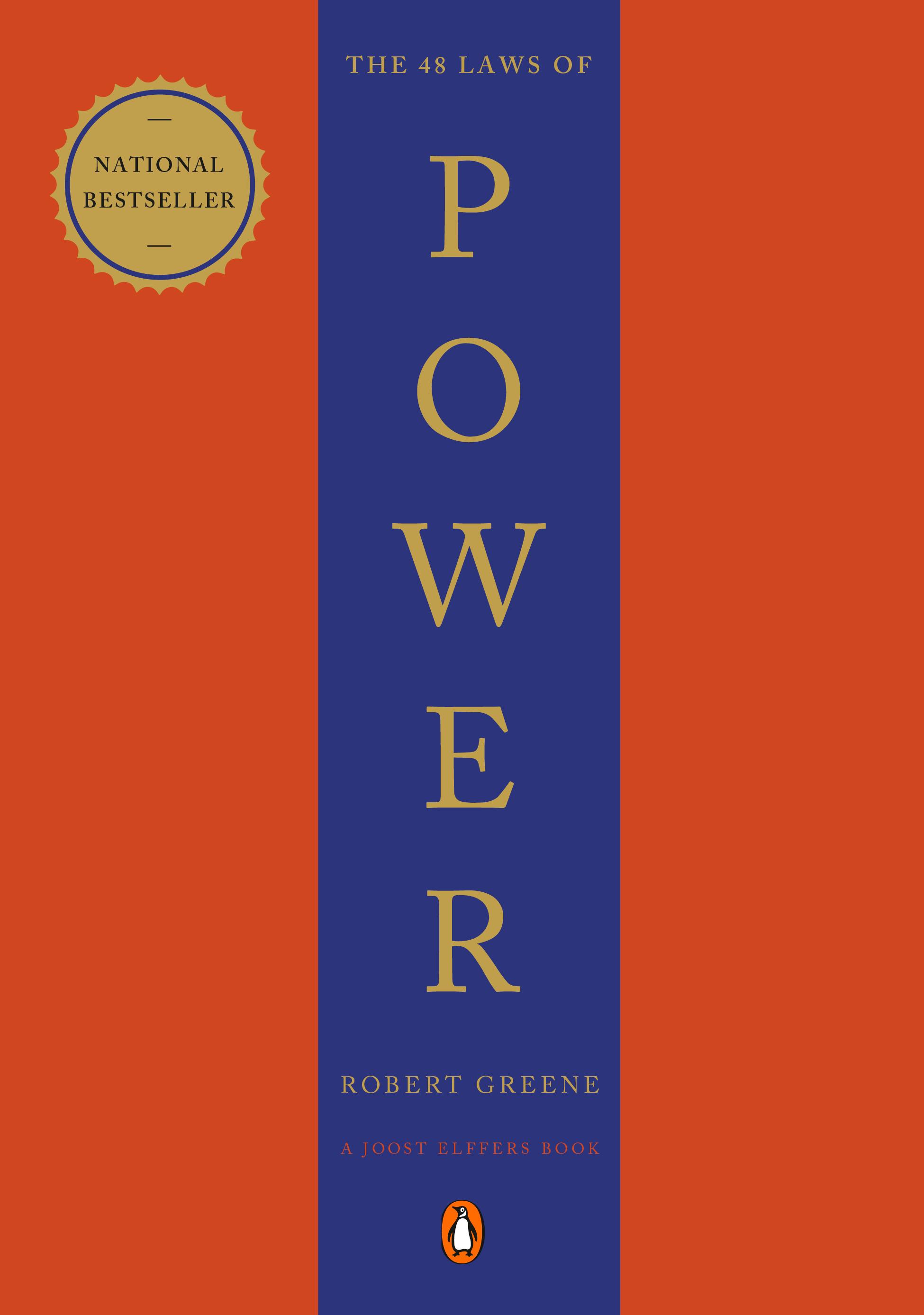
48 Laws of Power

15 Books Like 48 Laws of Power by Robert Greene

by Robert Greene

4.1(248k)

Robert Greene's 48 Laws of Power landed in 1998 and immediately split readers into two camps: those who considered it a dangerous handbook for sociopaths and those who recognized it as the most honest book ever written about how the world actually works. Greene pulled from Machiavelli, Sun Tzu, Bismarck, Louis XIV, and dozens of other historical operators to distill 3,000 years of power dynamics into 48 brutally clear principles. Love it or hate it, the book changed the way an entire generation thinks about ambition, strategy, and human nature.

What makes 48 Laws of Power so addictive is its refusal to moralize. Greene doesn't tell you what you should do. He tells you what works. That clinical, almost detached tone is what separates it from the ocean of self-help books that promise transformation through affirmations and good vibes. It treats power as a craft to be studied, practiced, and sharpened over a lifetime.

If you burned through all 48 laws and want more, the books below share that same DNA in different ways. Some approach power through money, others through psychology, habit formation, or military strategy. A few take the opposite stance entirely, arguing that real power comes from character rather than cunning. But every title on this list will scratch the same itch: the desire to understand the hidden mechanics behind why some people rise and others don't.

How to Win Friends & Influence People
1

How to Win Friends & Influence People

by Dale Carnegie

4.2(1099k)

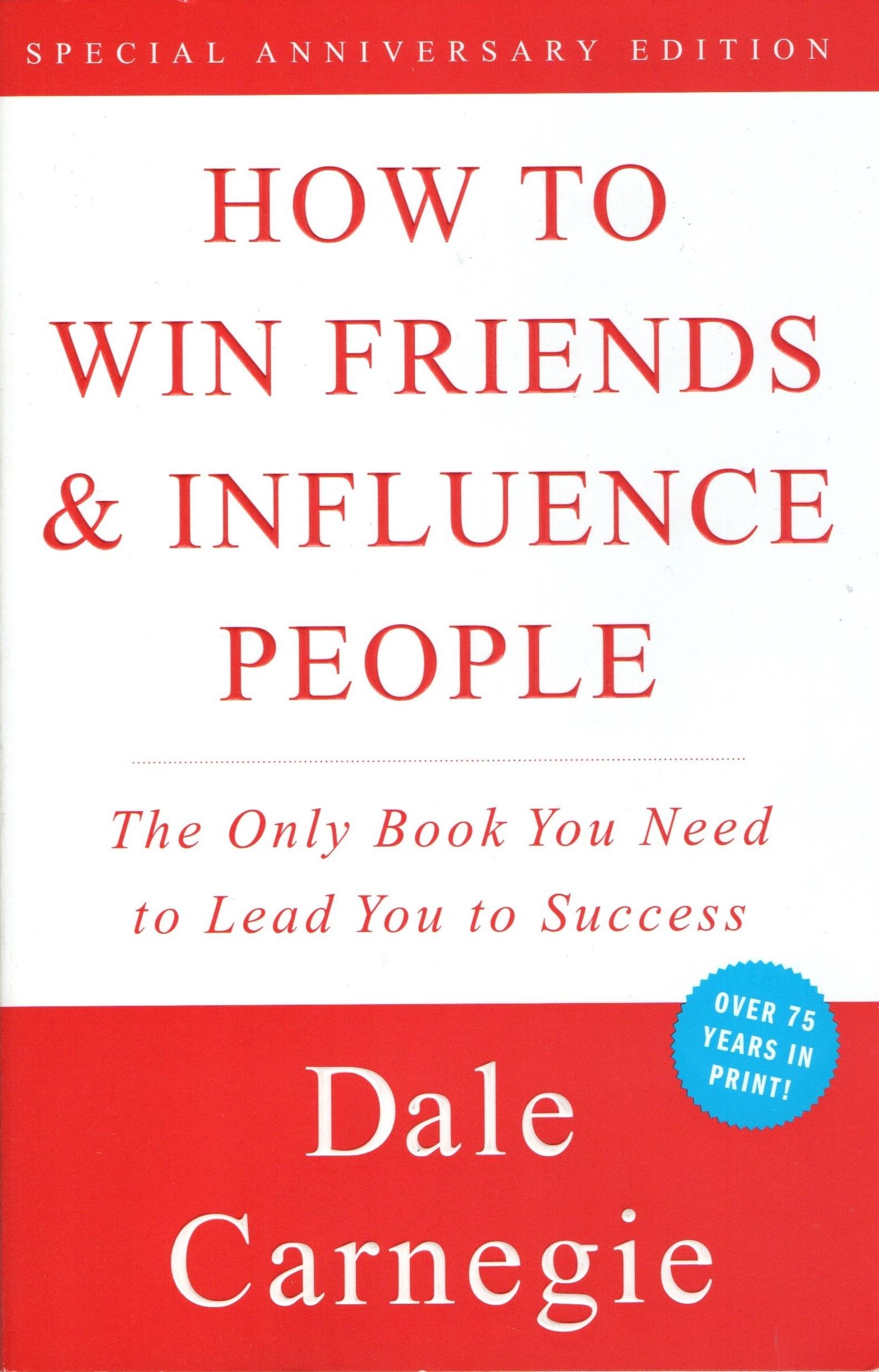
If 48 Laws of Power is the playbook for operating in a world full of rivals, How to Win Friends and Influence People is the playbook for making those rivals think you are on their side. Carnegie understood something Greene also understood: people are governed by ego, and whoever manages ego best wins. The difference is tone. Where Greene quotes Machiavelli, Carnegie quotes Lincoln and tells you to smile more. But the underlying mechanics are identical. Make people feel important, let them believe your idea was theirs, and never publicly correct anyone. Carnegie published this in 1936 and it has outsold nearly every business book written since, which tells you everything about how well these laws actually work in practice.

You can go after the job you want...and get it! You can take the job you have...and improve it! You can take any situation you're in...and make it work for you! Since its release in 1936, How to Win Friends and Influence People has sold more than 30 million copies. Dale Carnegie's first book is a timeless bestseller, packed with rock-solid advice that has carried thousands of now famous people up the ladder of success in their business and personal lives. As relevant as ever before, Dale Carnegie's principles endure, and will help you achieve your maximum potential in the complex and competitive modern age. Learn the six ways to make people like you, the twelve ways to win people to your way of thinking, and the nine ways to change people without arousing resentment.
Rich Dad Poor Dad: What the Rich Teach Their Kids About Money—That the Poor and Middle Class Do Not!
2
4.1(659k)

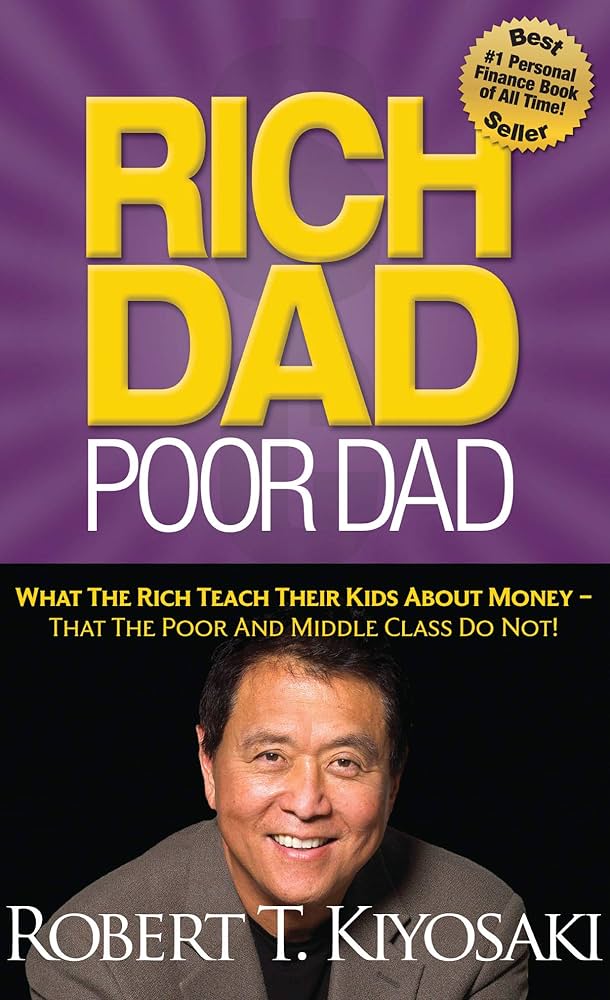
Greene's Law 34 says to be royal in your own fashion and act like a king to be treated like one. Kiyosaki's entire book is an argument for why that law applies to money above all else. Rich Dad Poor Dad strips away the comfortable middle-class story that a good education and steady paycheck lead to security. Kiyosaki's rich dad taught him to buy assets, avoid liabilities disguised as assets, and never trade time for money if he could help it. The poor dad followed every rule society laid out and ended up broke. Greene would recognize the rich dad immediately. He is the man who understands that the game has hidden rules and that the people who follow the visible ones are the easiest to control.

Rich Dad Poor Dad is Robert's story of growing up with two dads — his real father and the father of his best friend, his "rich dad" — and the ways in which both men shaped his thoughts about money and investing. The book explodes the myth that you need to earn a high income to be rich and explains the difference between working for money and having your money work for you.

View on Amazon
The Psychology of Money: Timeless Lessons on Wealth, Greed, and Happiness
3
4.3(313k)

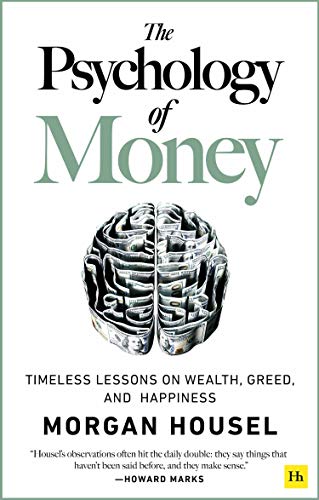
Morgan Housel does something Greene would respect. He ignores the spreadsheet version of finance and focuses entirely on the behavioral version. The Psychology of Money argues that what you know about money matters far less than how you behave around it. Housel tells stories of janitors who died with eight-figure portfolios and finance executives who went bankrupt, then explains why both outcomes made perfect sense given each person's psychology. Greene built 48 Laws on the premise that understanding human nature is the ultimate advantage. Housel applies that same premise to wealth. If you read Greene and thought, 'I want to use this understanding to build real financial power,' Housel shows you exactly where most people sabotage themselves.

Alternate cover edition of ISBN 9780857197689. Doing well with money isn’t necessarily about what you know. It’s about how you behave. And behavior is hard to teach, even to really smart people. Money―investing, personal finance, and business decisions―is typically taught as a math-based field, where data and formulas tell us exactly what to do. But in the real world people don’t make financial decisions on a spreadsheet. They make them at the dinner table, or in a meeting room, where personal history, your own unique view of the world, ego, pride, marketing, and odd incentives are scrambled together. In The Psychology of Money, award-winning author Morgan Housel shares 19 short stories exploring the different ways people think about money and teaches you how to make better sense of one of life’s most important topics.

View on Amazon
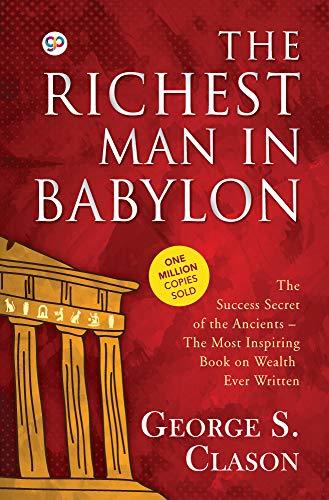
The Richest Man in Babylon
4

The Richest Man in Babylon

by George S. Clason

4.2(39k)

George Clason published these parables in the 1920s, setting them in ancient Babylon to make timeless financial principles feel like wisdom handed down from a lost civilization. Greene would approve of the framing. Law 27 says to play on people's need to believe in something to create a cultlike following, and Clason understood that wrapping simple advice in ancient mythology makes it stick harder than any modern textbook could. The actual lessons are straightforward: save at least a tenth of what you earn, make your money work for you, and guard your wealth from loss by seeking advice only from those who handle money successfully. What connects this book to 48 Laws is the recognition that financial power follows the same patterns across millennia. The Babylonians who mastered these principles in 1500 BC operated on the same logic that Greene found in the courts of Louis XIV.

The Richest Man in Babylon is an early twentieth century classic about financial investment and monetary success. Through a series of enlightening parables set in the heart of ancient Babylon, Clason provided his readers with economic tips and tools for financial success. Here his text is interpreted for today and offers you 52 simple, powerful and proven techniques to manage your finances. Karen McCreadies interpretation of Clason's work illustrates the timeless nature of his insights by bringing them to life through modern case studies.

View on Amazon
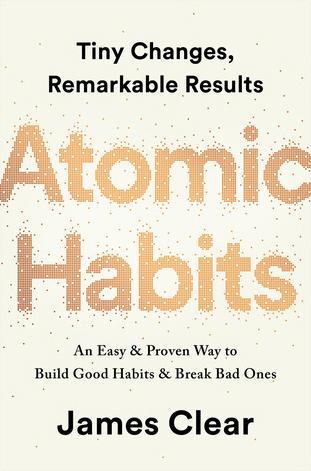
Atomic Habits: An Easy & Proven Way to Build Good Habits & Break Bad Ones
5
4.3(1305k)

Greene's Law 28 warns you to enter action with boldness, but boldness without systems behind it is just recklessness. James Clear wrote the definitive manual on how to build the daily systems that make boldness sustainable. Atomic Habits argues that outcomes are lagging indicators of habits, and that changing your identity at the behavioral level is worth more than any single dramatic gesture. Where Greene focuses on reading other people, Clear focuses on reprogramming yourself. The overlap is in the obsession with small advantages compounding over time. Greene shows how Richelieu accumulated power through hundreds of tiny calculated moves. Clear shows how you can do the same thing with your own behavior, stacking 1% improvements until the gap between you and everyone else becomes impossible to close.

No matter your goals, Atomic Habits offers a proven framework for improving—every day. James Clear, one of the world's leading experts on habit formation, reveals practical strategies that will teach you exactly how to form good habits, break bad ones, and master the tiny behaviors that lead to remarkable results. If you're having trouble changing your habits, the problem isn't you. The problem is your system. Bad habits repeat themselves again and again not because you don't want to change, but because you have the wrong system for change. You do not rise to the level of your goals. You fall to the level of your systems. Here, you'll get a proven system that can take you to new heights. Clear is known for his ability to distill complex topics into simple behaviors that can be easily applied to daily life and work. Here, he draws on the most proven ideas from biology, psychology, and neuroscience to create an easy-to-understand guide for making good habits inevitable and bad habits impossible. Along the way, readers will be inspired and entertained with true stories from Olympic gold medalists, award-winning artists, business leaders, life-saving physicians, and star comedians who have used the science of small habits to master their craft and vault to the top of their field. Learn how to: - Make time for new habits (even when life gets crazy); - Overcome a lack of motivation and willpower; - Design your environment to make success easier; - Get back on track when you fall off course; ...and much more. Atomic Habits will reshape the way you think about progress and success, and give you the tools and strategies you need to transform your habits--whether you are a team looking to win a championship, an organization hoping to redefine an industry, or simply an individual who wishes to quit smoking, lose weight, reduce stress, or achieve any other goal.

View on Amazon

Get Notified When These Books Go Free

Join 50,000+ readers who get handpicked free and discounted Kindle books delivered to their inbox every day.

Sign Up Free
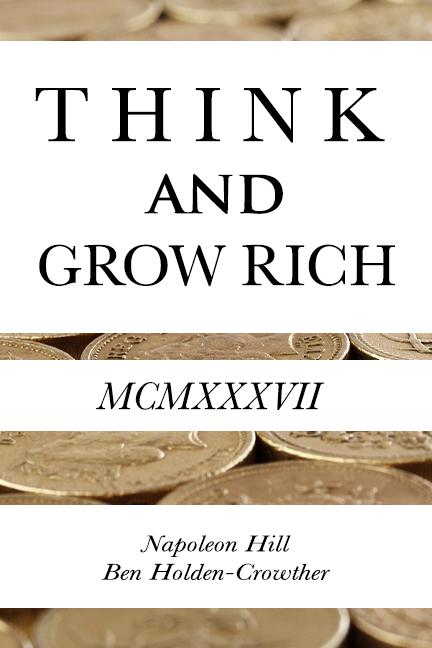
Think and Grow Rich
6

Think and Grow Rich

by Napoleon Hill

4.2(259k)

Napoleon Hill interviewed over 500 of the wealthiest Americans in the early 1900s and distilled their methods into 13 principles, starting with the claim that thoughts are things and that a burning desire backed by faith and persistence can be transmuted into material wealth. Greene would find Hill's language soft but his conclusions hard. Both authors agree on the same core truth: the people who accumulate power and wealth are the ones who decide what they want, refuse to accept any alternative, and organize every hour of their lives around that single aim. Hill's chapter on the Master Mind principle, surrounding yourself with people whose strengths compensate for your weaknesses, reads like a friendlier version of Greene's laws about using allies strategically. If 48 Laws taught you to see the game, Think and Grow Rich gives you the mental framework to play it with total commitment.

Think and Grow Rich is a guide to success by Napoleon Hill, which was first published in 1937 following the Great Depression. It was immediately welcomed as an antidote to hard times and remained a bestseller for decades. Many people still find its philosophy of positive thinking and its specific steps for achieving wealth both relevant and life-changing. Hill contends that our thoughts become our reality, and offers a plan and principles for transforming thoughts into riches, including visualization, affirmation, creating a Master Mind group, defining a goal, and planning.

View on Amazon
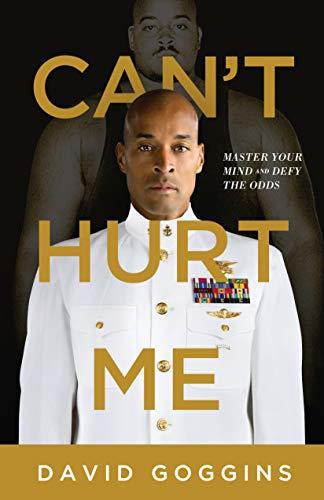
Can't Hurt Me: Master Your Mind and Defy the Odds
7
4.3(319k)

David Goggins is what happens when someone takes Greene's Law 25, 'recreate yourself,' and pushes it past every reasonable limit. Goggins went from a 300-pound exterminator with no prospects to a Navy SEAL, Army Ranger, and ultramarathon runner by deliberately seeking out the hardest possible version of every situation. His 40% Rule states that when your mind tells you you are done, you are only at 40% of your actual capacity. Greene writes about power as an external game played against others. Goggins writes about power as an internal war fought against your own weakness. The connection is that both authors reject comfort as the enemy of greatness. If you finished 48 Laws and realized that your biggest obstacle is not other people but your own unwillingness to suffer, Goggins will fix that problem with extreme prejudice.

New York Times Best Seller Over 7 million copies sold For David Goggins, childhood was a nightmare -- poverty, prejudice, and physical abuse colored his days and haunted his nights. But through self-discipline, mental toughness, and hard work, Goggins transformed himself from a depressed, overweight young man with no future into a U.S. Armed Forces icon and one of the world's top endurance athletes. The only man in history to complete elite training as a Navy SEAL, Army Ranger, and Air Force Tactical Air Controller, he went on to set records in numerous endurance events, inspiring Outside magazine to name him "The Fittest (Real) Man in America." In Can't Hurt Me, he shares his astonishing life story and reveals that most of us tap into only 40% of our capabilities. Goggins calls this The 40% Rule, and his story illuminates a path that anyone can follow to push past pain, demolish fear, and reach their full potential.

View on Amazon
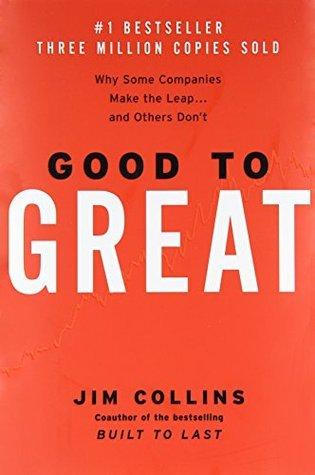
Good to Great: Why Some Companies Make the Leap... and Others Don't
8
4.1(305k)

Jim Collins spent five years studying companies that went from mediocre to dominant and asked what separated them from their competitors. His answer, Level 5 Leadership, describes a type of leader Greene would recognize instantly: someone with fierce professional will combined with personal humility. The Level 5 leader channels ambition into the institution rather than the ego, which sounds noble until you realize it is also the most effective long-term power strategy available. Greene's Law 1 says never outshine the master. Collins found that the CEOs who built the greatest companies were the ones who deflected credit and absorbed blame, which is Law 1 in corporate form. Good to Great also introduces the Hedgehog Concept, the idea that greatness comes from focusing relentlessly on the one thing you can be best at. Greene would call that strategic economy of force. Collins would call it discipline. The result is the same.

The Challenge: Built to Last, the defining management study of the nineties, showed how great companies triumph over time and how long-term sustained performance can be engineered into the DNA of an enterprise from the very beginning. But what about the company that is not born with great DNA? How can good companies, mediocre companies, even bad companies achieve enduring greatness? The Study: For years, this question preyed on the mind of Jim Collins. Are there companies that defy gravity and convert long-term mediocrity or worse into long-term superiority? And if so, what are the universal distinguishing characteristics that cause a company to go from good to great? The Standards: Using tough benchmarks, Collins and his research team identified a set of elite companies that made the leap to great results and sustained those results for at least fifteen years. How great? After the leap, the good-to-great companies generated cumulative stock returns that beat the general stock market by an average of seven times in fifteen years, better than twice the results delivered by a composite index of the world's greatest companies, including Coca-Cola, Intel, General Electric, and Merck. The Comparisons: The research team contrasted the good-to-great companies with a carefully selected set of comparison companies that failed to make the leap from good to great. What was different? Why did one set of companies become truly great performers while the other set remained only good? Over five years, the team analyzed the histories of all twenty-eight companies in the study. After sifting through mountains of data and thousands of pages of interviews, Collins and his crew discovered the key determinants of greatness -- why some companies make the leap and others don't. The Findings: The findings of the Good to Great study will surprise many readers and shed light on virtually every area of management strategy and practice. The findings include: Level 5 Leaders: The research team was shocked to discover the type of leadership required to achieve greatness. The Hedgehog Concept: (Simplicity within the Three Circles): To go from good to great requires transcending the curse of competence. A Culture of Discipline: When you combine a culture of discipline with an ethic of entrepreneurship, you get the magical alchemy of great results. Technology Accelerators: Good-to-great companies think differently about the role of technology. The Flywheel and the Doom Loop: Those who launch radical change programs and wrenching restructurings will almost certainly fail to make the leap. “Some of the key concepts discerned in the study,” comments Jim Collins, "fly in the face of our modern business culture and will, quite frankly, upset some people.” Perhaps, but who can afford to ignore these findings?

View on Amazon
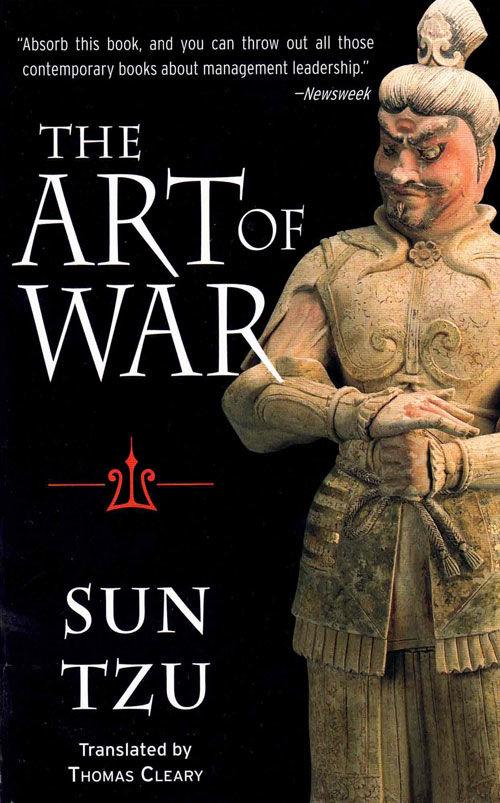
The Art of War
9

The Art of War

by Sun Tzu

4.0(470k)

This is the book that Greene himself kept returning to as source material. Sun Tzu wrote The Art of War around 500 BC as a manual for military commanders, but every principle translates directly to power dynamics in any arena. When Greene writes about concealing your intentions, Sun Tzu got there first: 'All warfare is based on deception.' When Greene warns about the danger of acting out of emotion, Sun Tzu already said that anger in a general leads to defeat. Reading The Art of War after 48 Laws is like reading the original research after reading the literature review. You will recognize almost every concept, but Sun Tzu delivers them with a compression and clarity that Greene, for all his skill, cannot match in the same number of words. If you only read one other book on this list, this is the one.

Twenty-Five Hundred years ago, Sun Tzu wrote this classic book of military strategy based on Chinese warfare and military thought. Since that time, all levels of military have used the teaching on Sun Tzu to warfare and civilization have adapted these teachings for use in politics, business and everyday life. The Art of War is a book which should be used to gain advantage of opponents in the boardroom and battlefield alike.

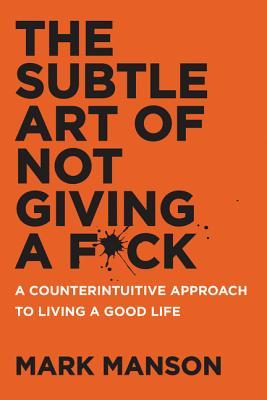
The Subtle Art of Not Giving a F*ck: A Counterintuitive Approach to Living a Good Life
10

The Subtle Art of Not Giving a F*ck: A Counterintuitive Approach to Living a Good Life

by Mark Manson

3.9(1292k)

Mark Manson's book looks like the opposite of 48 Laws of Power, and in many ways it is. Where Greene tells you to manage your reputation obsessively, Manson tells you to stop caring what people think. Where Greene says to use selective honesty to disarm, Manson says radical honesty is the only thing that works. But underneath the contrarian posture, both books share the same foundational insight: most people waste their energy on the wrong things. Greene says to concentrate your forces. Manson says to choose your battles. Same principle, different language. The Subtle Art works as a counterweight to 48 Laws. After reading Greene, you might find yourself calculating every interaction and exhausting yourself. Manson reminds you that strategic indifference is its own form of power.

Alternate cover edition of ISBN 9780062457738 In this generation-defining self-help guide, a superstar blogger cuts through the crap to show us how to stop trying to be "positive" all the time so that we can truly become better, happier people. For decades, we’ve been told that positive thinking is the key to a happy, rich life. "F**k positivity," Mark Manson says. "Let’s be honest, shit is f**ked and we have to live with it." In his wildly popular Internet blog, Manson doesn’t sugarcoat or equivocate. He tells it like it is—a dose of raw, refreshing, honest truth that is sorely lacking today. The Subtle Art of Not Giving a F**k is his antidote to the coddling, let’s-all-feel-good mindset that has infected American society and spoiled a generation, rewarding them with gold medals just for showing up. Manson makes the argument, backed both by academic research and well-timed poop jokes, that improving our lives hinges not on our ability to turn lemons into lemonade, but on learning to stomach lemons better. Human beings are flawed and limited—"not everybody can be extraordinary, there are winners and losers in society, and some of it is not fair or your fault." Manson advises us to get to know our limitations and accept them. Once we embrace our fears, faults, and uncertainties, once we stop running and avoiding and start confronting painful truths, we can begin to find the courage, perseverance, honesty, responsibility, curiosity, and forgiveness we seek. There are only so many things we can give a f**k about so we need to figure out which ones really matter, Manson makes clear. While money is nice, caring about what you do with your life is better, because true wealth is about experience. A much-needed grab-you-by-the-shoulders-and-look-you-in-the-eye moment of real-talk, filled with entertaining stories and profane, ruthless humor, The Subtle Art of Not Giving a F**k is a refreshing slap for a generation to help them lead contented, grounded lives.

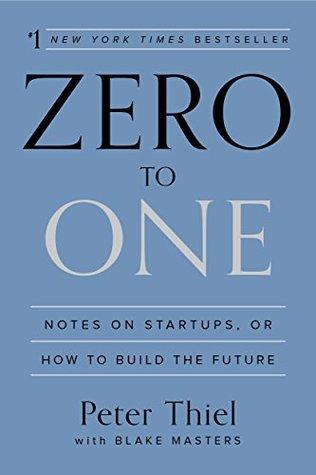
Zero to One: Notes on Startups, or How to Build the Future
11
4.1(397k)

Peter Thiel built PayPal, made the first outside investment in Facebook, and wrote Zero to One to explain why copying existing ideas is a losing strategy. His core argument is that going from zero to one, creating something genuinely new, is worth infinitely more than going from one to many. Greene would admire Thiel's thinking because it is fundamentally about monopoly power. Thiel argues that competition is for losers and that the goal of any business should be to become so different that it has no real competitors. That is Greene's Law 17, keep others in suspended terror by being unpredictable, applied to the marketplace. Thiel also shares Greene's willingness to say things that sound ruthless in polite company but are obviously true if you think about them for more than a minute.

If you want to build a better future, you must believe in secrets. The great secret of our time is that there are still uncharted frontiers to explore and new inventions to create. In Zero to One, legendary entrepreneur and investor Peter Thiel shows how we can find singular ways to create those new things. Thiel begins with the contrarian premise that we live in an age of technological stagnation, even if we’re too distracted by shiny mobile devices to notice. Information technology has improved rapidly, but there is no reason why progress should be limited to computers or Silicon Valley. Progress can be achieved in any industry or area of business. It comes from the most important skill that every leader must master: learning to think for yourself. Doing what someone else already knows how to do takes the world from 1 to n, adding more of something familiar. But when you do something new, you go from 0 to 1. The next Bill Gates will not build an operating system. The next Larry Page or Sergey Brin won’t make a search engine. Tomorrow’s champions will not win by competing ruthlessly in today’s marketplace. They will escape competition altogether, because their businesses will be unique. Zero to One presents at once an optimistic view of the future of progress in America and a new way of thinking about innovation: it starts by learning to ask the questions that lead you to find value in unexpected places.

View on Amazon
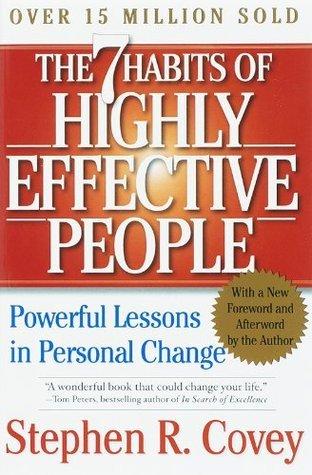
The 7 Habits of Highly Effective People: Powerful Lessons in Personal Change
12

The 7 Habits of Highly Effective People: Powerful Lessons in Personal Change

by Stephen R. Covey

4.2(782k)

Stephen Covey's book is the moral counterargument to 48 Laws of Power, and it is worth reading precisely because of that tension. Where Greene is amoral and tactical, Covey is principled and character-driven. He argues that lasting effectiveness comes from aligning your behavior with universal principles like integrity, fairness, and human dignity. Greene might call that naive. But Covey's framework has survived for over 30 years because it describes a type of power that manipulation cannot touch: the power of someone who is genuinely trustworthy in a world full of operators. Reading Covey after Greene forces you to confront a serious question. Do the 48 Laws work long-term, or do they eventually isolate you from the trust-based relationships that create the deepest forms of influence? Covey's answer is clear, and whether you agree with him or not, the exercise of weighing his case against Greene's will sharpen your thinking considerably.

In The 7 Habits of Highly Effective People, author Stephen R. Covey presents a holistic, integrated, principle-centered approach for solving personal and professional problems. With penetrating insights and pointed anecdotes, Covey reveals a step-by-step pathway for living with fairness, integrity, service, and human dignity--principles that give us the security to adapt to change and the wisdom and power to take advantage of the opportunities that change creates.

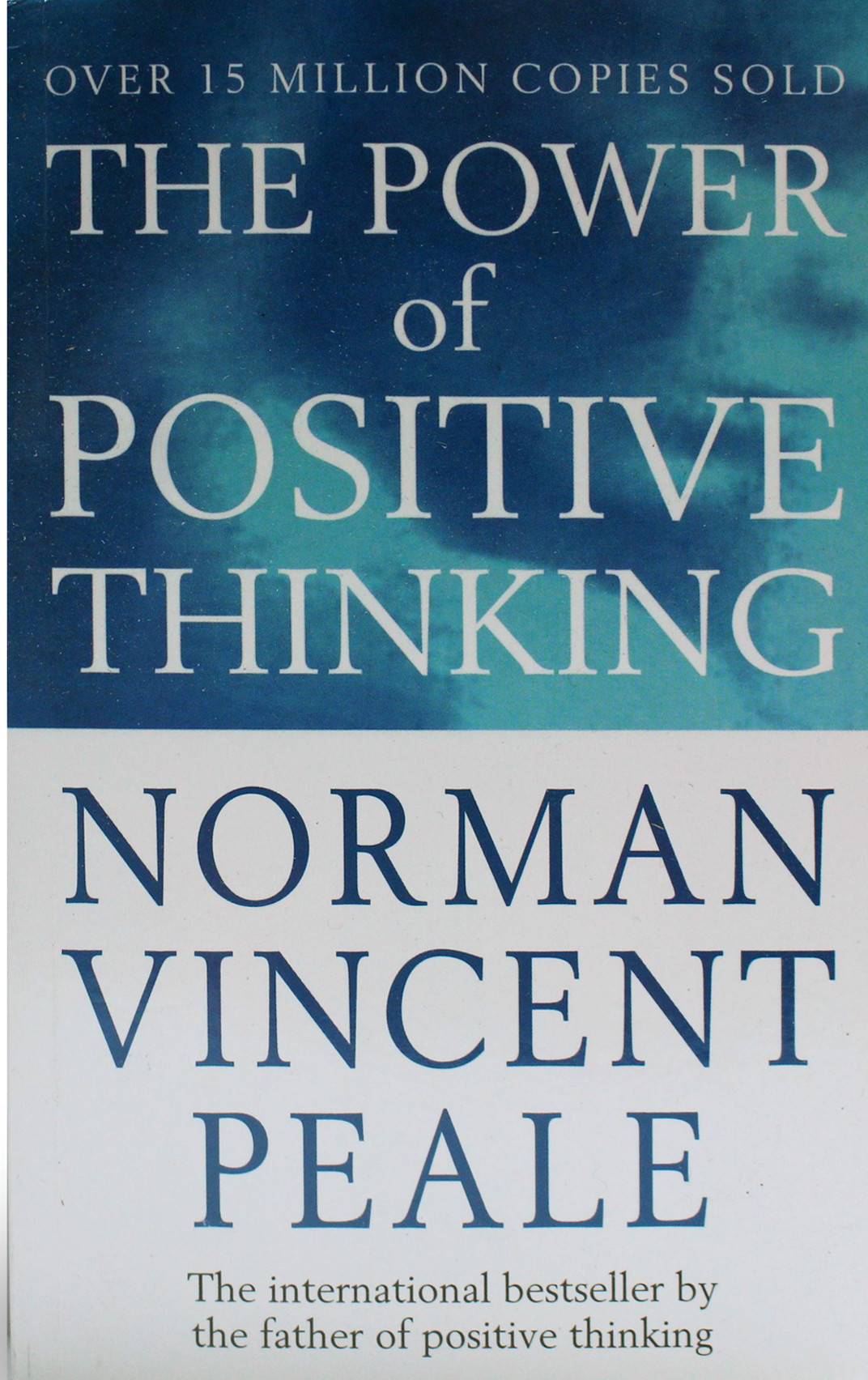
The Power of Positive Thinking
13

The Power of Positive Thinking

by Norman Vincent Peale

4.2(124k)

Norman Vincent Peale wrote this in 1952 and it has never gone out of print, which Greene would note is itself a demonstration of power. Peale's thesis is simple: belief in yourself and faith in a higher purpose generate a kind of energy that transforms outcomes. Greene would find the spiritual angle unscientific, but he would not argue with the results. Law 34 says to act like a king to be treated like one, and Peale's entire system is built around training your mind to project that royal confidence from the inside out. The book is unapologetically optimistic in a way that might irritate readers who prefer Greene's cold realism. But the underlying mechanism is sound. Confidence, genuine or manufactured, changes how others treat you. Peale just gives you a different set of tools for building it than Greene does.

"This book is written with the sole objective of helping the reader achieve a happy, satisfying, and worthwhile life." -- Norman Vincent PealeThe precursor to The Secret, The Power of Positive Thinking has helped millions of men and women to achieve fulfillment in their lives. In this phenomenal bestseller, Dr. Peale demonstrates the power of faith in action. With the practical techniques outlined in this book, you can energize your life -- and give yourself the initiative needed to carry out your ambitions and hopes. You'll learn how to: Expect the best and get it Believe in yourself and in everything you do Develop the power to reach your goals Break the worry habit and achieve a relaxed life Improve your personal and professional relationships Assume control over your circumstances Be kind to yourself

View on Amazon
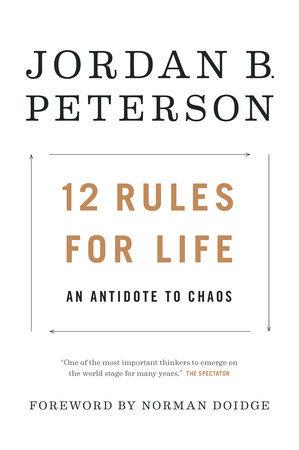
12 Rules for Life: An Antidote to Chaos
14

12 Rules for Life: An Antidote to Chaos

by Jordan B. Peterson

3.9(243k)

Jordan Peterson draws from clinical psychology, biblical scholarship, Dostoevsky, Nietzsche, and evolutionary biology to build a case for why order, responsibility, and meaning are the antidotes to suffering. Greene draws from similar source material but reaches different conclusions. Where Greene sees power as the ultimate currency, Peterson argues that meaning is. His Rule 6, 'Set your house in perfect order before you criticize the world,' is a direct challenge to Greene's outward-facing strategy of domination. But Peterson and Greene share a crucial assumption: the world is a dangerous place full of predators and chaos, and the unprepared will be consumed. They just disagree about the best response. Greene says master the game. Peterson says master yourself first. Reading both gives you a more complete map than either one provides alone.

What does everyone in the modern world need to know? Renowned psychologist Jordan B. Peterson's answer to this most difficult of questions uniquely combines the hard-won truths of ancient tradition with the stunning revelations of cutting-edge scientific research. Humorous, surprising, and informative, Dr. Peterson tells us why skateboarding boys and girls must be left alone, what terrible fate awaits those who criticize too easily, and why you should always pet a cat when you meet one on the street. What does the nervous system of the lowly lobster have to tell us about standing up straight (with our shoulders back) and about success in life? Why did ancient Egyptians worship the capacity to pay careful attention as the highest of gods? What dreadful paths do people tread when they become resentful, arrogant, and vengeful? Dr. Peterson journeys broadly, discussing discipline, freedom, adventure, and responsibility, distilling the world's wisdom into 12 practical and profound rules for life. 12 Rules for Life shatters the modern commonplaces of science, faith, and human nature while transforming and ennobling the mind and spirit of its listeners.

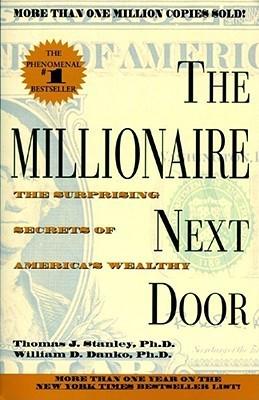
The Millionaire Next Door: The Surprising Secrets of America's Wealthy
15
4.1(128k)

Thomas Stanley spent 20 years studying millionaires and found that most of them drive used cars, live in modest houses, and have never bought a suit costing more than $400. This directly contradicts Greene's Law 34 about acting like a king. Or does it? Stanley's millionaires are powerful precisely because they refuse to play the status game. While everyone else burns money on appearances, they quietly accumulate wealth that gives them options no one else has. Greene writes about the power of appearances. Stanley writes about the power of substance hidden behind ordinary appearances, which is arguably the more sophisticated play. The Millionaire Next Door also confirms one of Greene's key principles: that most people are too busy performing their identity to actually build anything. Stanley's millionaires understood that the best disguise for real power is looking like you have none at all.

The incredible national bestseller that is changing people's lives -- and increasing their net worth! CAN YOU SPOT THE MILLIONAIRE NEXT DOOR? Who are the rich in this country? What do they do? Where do they shop? What do they drive? How do they invest? Where did their ancestors come from? How did they get rich? Can I ever become one of them? Get the answers in The Millionaire Next Door, the never-before-told story about wealth in America. You'll be surprised at what you find out....

View on Amazon

The 48 Laws of Power works on readers the way a strong drink works on the uninitiated. Once you see the game, you cannot unsee it. Every book on this list extends that vision in a different direction, whether it is toward wealth, discipline, strategy, or self-mastery. Some will confirm what Greene taught you. Others will challenge it outright. Both reactions are useful.

The best next step is to pick the title that targets your weakest area. If your problem is money, start with Kiyosaki or Housel. If it is willpower, go to Goggins or Clear. If you want pure strategy, Sun Tzu has been waiting 2,500 years for you. Power is not one skill. It is a collection of them, and these books will help you build the rest of the arsenal.

Never Miss a Free Kindle Book

We track thousands of Kindle books daily and alert you when they drop to free. Join 50,000+ readers getting the best deals.

Sign Up Free

Prefer free books on the go?

The Free Books for Kindle app gives you daily free book alerts, genre filtering, push notifications and zero ads.

Get the App