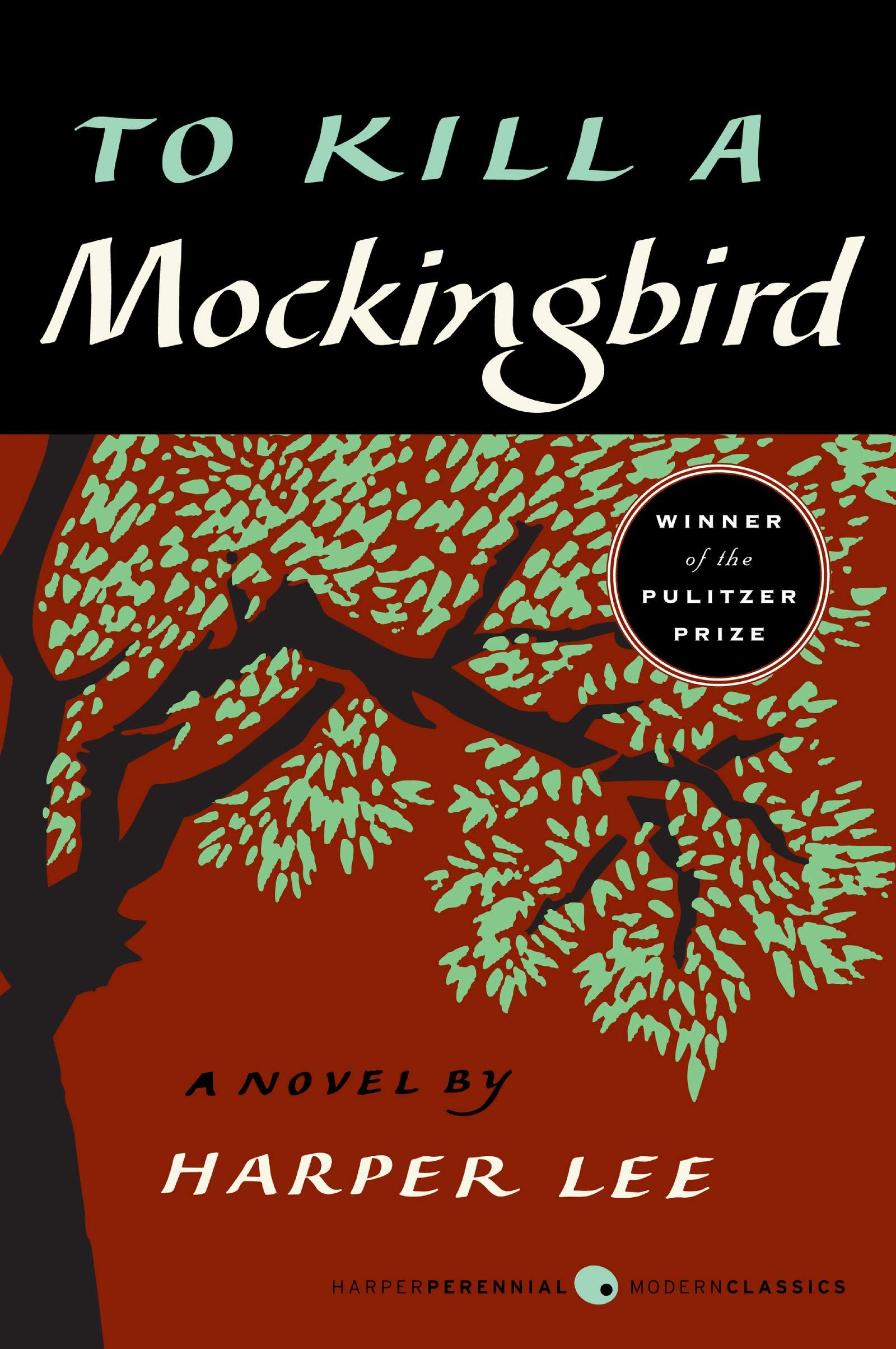
To Kill a Mockingbird
by Harper Lee
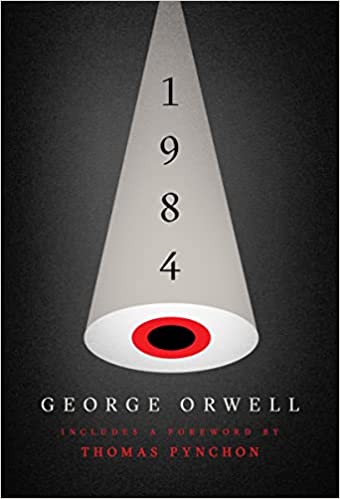
Harper Lee's masterpiece directly confronts institutional injustice and moral cowardice in a society built on lies. Like 1984, it reveals how systems of power weaponize language and law to protect the guilty while crushing the innocent. Atticus Finch's quiet resistance mirrors the individual conscience struggling against overwhelming systemic corruption. Scout's journey from innocence to awareness parallels Winston's gradual confrontation with truth, though Lee offers a more humanizing vision of moral courage.
One of the best-loved stories of all time, To Kill a Mockingbird has been translated into more than forty languages, sold more than forty million copies worldwide, served as the basis for an enormously popular motion picture, and was voted one of the best novels of the twentieth century by librarians across the country. A gripping, heart-wrenching, and wholly remarkable coming-of-age tale in a South poisoned by virulent prejudice, it views a world of great beauty and savage iniquities through the eyes of a young girl, as her father — a crusading local lawyer — risks everything to defend a black man unjustly accused of a terrible crime.
View on Amazon